Cartographies of the Unseen Forensic Architecture and LIMINAL use cartography, spatial analysis and forensic tools to reveal the structures of violence. A dialogue on emergencies, migration, Gaza and reconstruction, in which the map becomes a critical tool for interpreting Emergency as Spatial Regime An emergency does not disrupt space: it creates it. Through refugee camps, reconstruction projects, cartography and forensic practices, this issue of espazium quaderni explores how architecture and urban planning contribute to the construction of Mapping Hostil-ISM Camps, borders and reception centres are not exceptions, but rather elements of contemporary spatial infrastructure. Mapping Hostil-ISM charts the global geographies of displacement, examining the relationship between mobility, governance Räume für alle Altersgruppen Generationsübergreifende Durchmischung: Die Fondazione Parco San Rocco verwandelt in Coldrerio ein Quartier in einen städtischen Gemeinschaftsraum. Spaces for all ages The Coldrerio intergenerational neighborhood transforms Parco San Rocco into an urban common. With a care home, community center, and residences, the central square and shared spaces foster proximity, inclusion, and reciprocity across generations. Werbung A porch to weave relations Einfaches Wohnen redefines refugee housing as dignified living. Wooden modules, shared and flexible spaces, a central courtyard and external walkways turn the temporary into a home, affirming care, justice and integration as architectural principles. Collective domesticity The House for Almost Everything blends private dwelling and communal life. Its adaptable hall, pivoting roof, and flexible spaces transform the home into a responsive hub, hosting workshops, meals, and events, embodying an architecture of care Feeling «at home» The Caslano retirement home redefines care architecture, blending domestic scale with civic presence. Spatial continuity, flexible layouts, and visual connections to gardens create a home-like environment where autonomy, social interaction, and Reception and territorial mediation Situated between Novazzano and Balerna, the Federal Asylum Centre by Lopes Brenna acts as a territorial mediator: a linear structure balancing road and railway, order and waiting, institutional rigour and human dignity, transforming a threshold into Spaces as a form of therapy In Cery-Prilly, the new psychiatric hospital redefines care: open to light, gardens, and community, it transcends the institutional model to create a healing environment where patients are welcomed as inhabitants, with dignity and a sense of Reception and the right to care Welcoming refugees means designing dignity and belonging: open spaces, porous thresholds, and participatory infrastructures turn temporary shelter into community, promoting justice, relationships, and care as core architectural and urban principles.
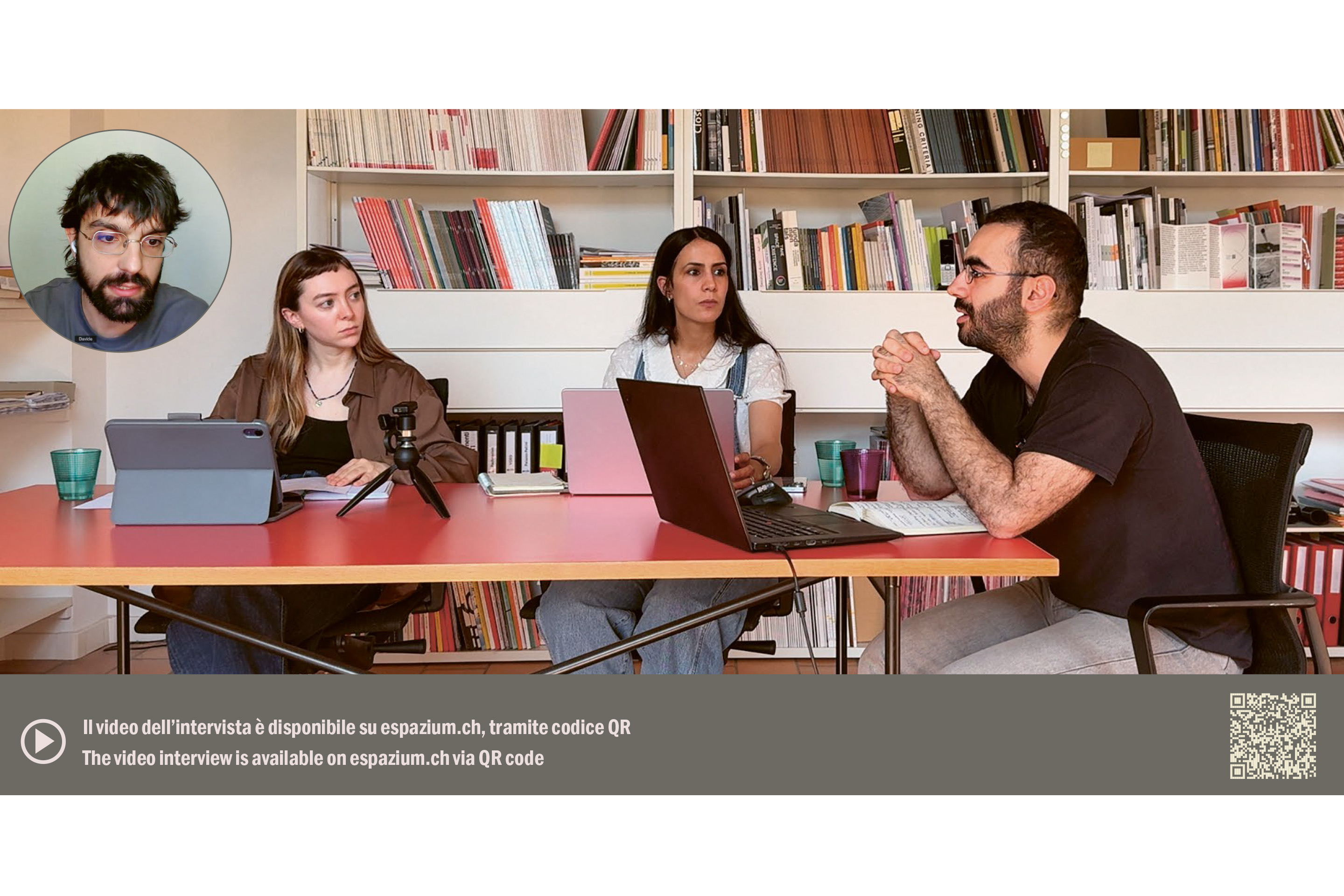
Cartographies of the Unseen Forensic Architecture and LIMINAL use cartography, spatial analysis and forensic tools to reveal the structures of violence. A dialogue on emergencies, migration, Gaza and reconstruction, in which the map becomes a critical tool for interpreting
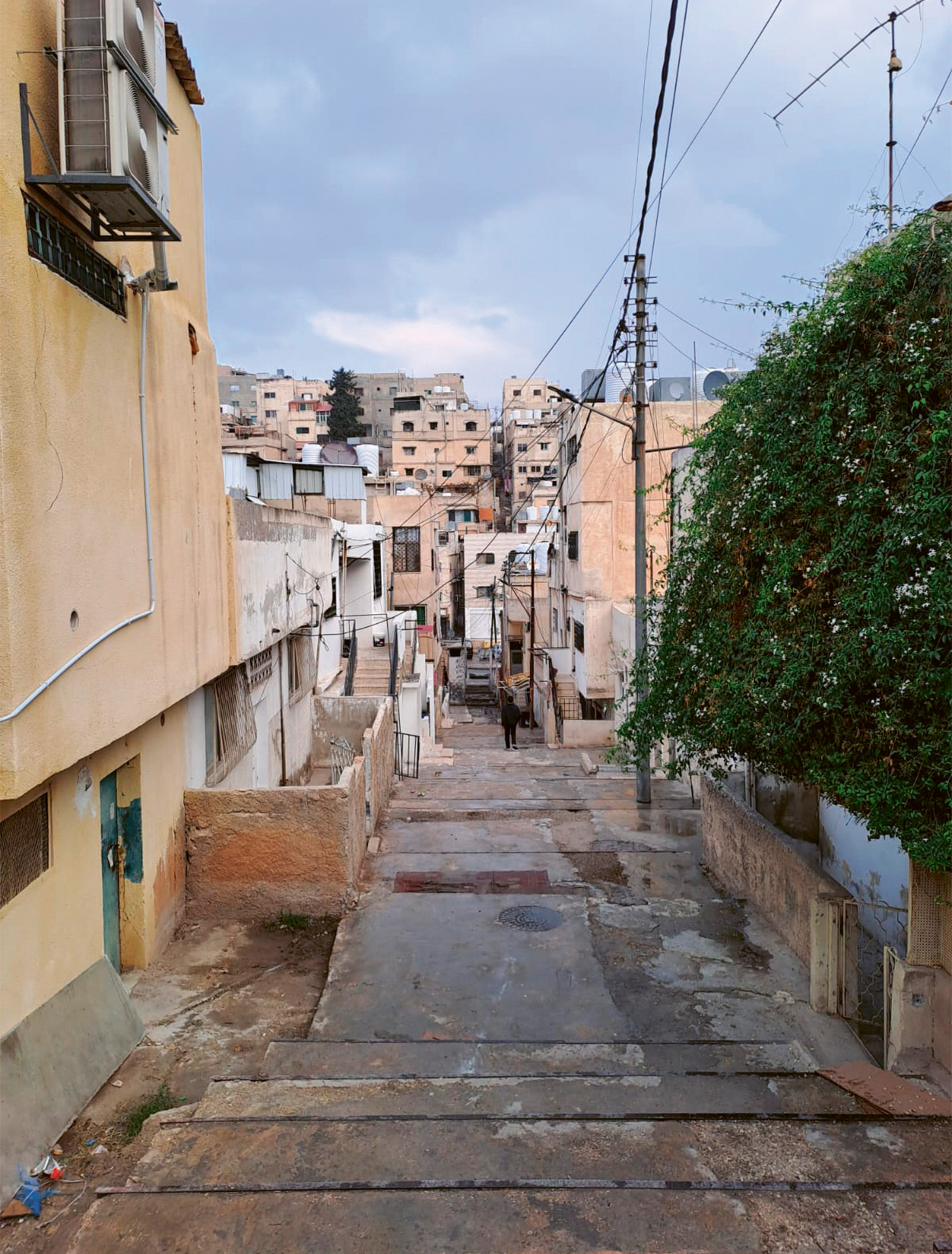
Emergency as Spatial Regime An emergency does not disrupt space: it creates it. Through refugee camps, reconstruction projects, cartography and forensic practices, this issue of espazium quaderni explores how architecture and urban planning contribute to the construction of
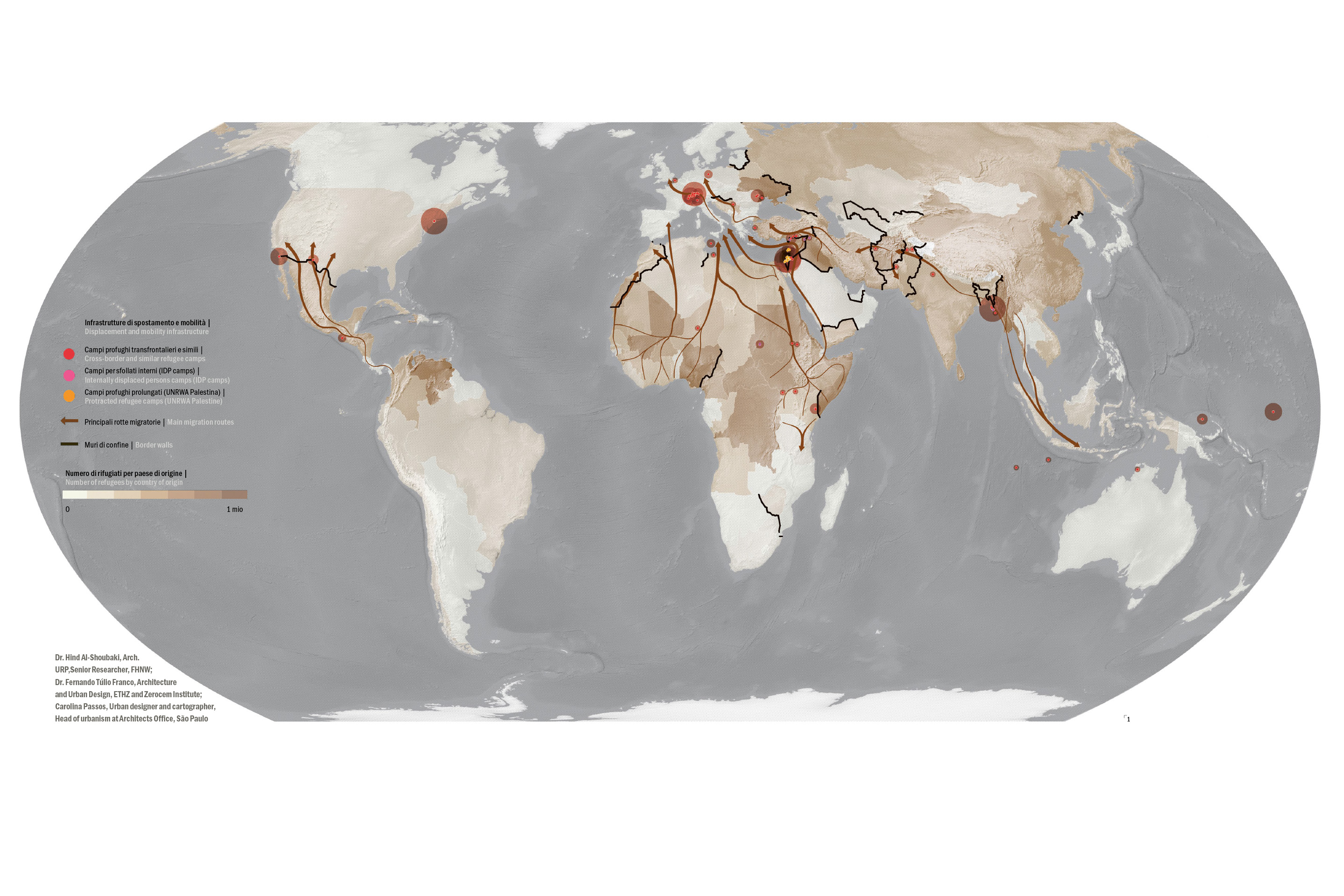
Mapping Hostil-ISM Camps, borders and reception centres are not exceptions, but rather elements of contemporary spatial infrastructure. Mapping Hostil-ISM charts the global geographies of displacement, examining the relationship between mobility, governance
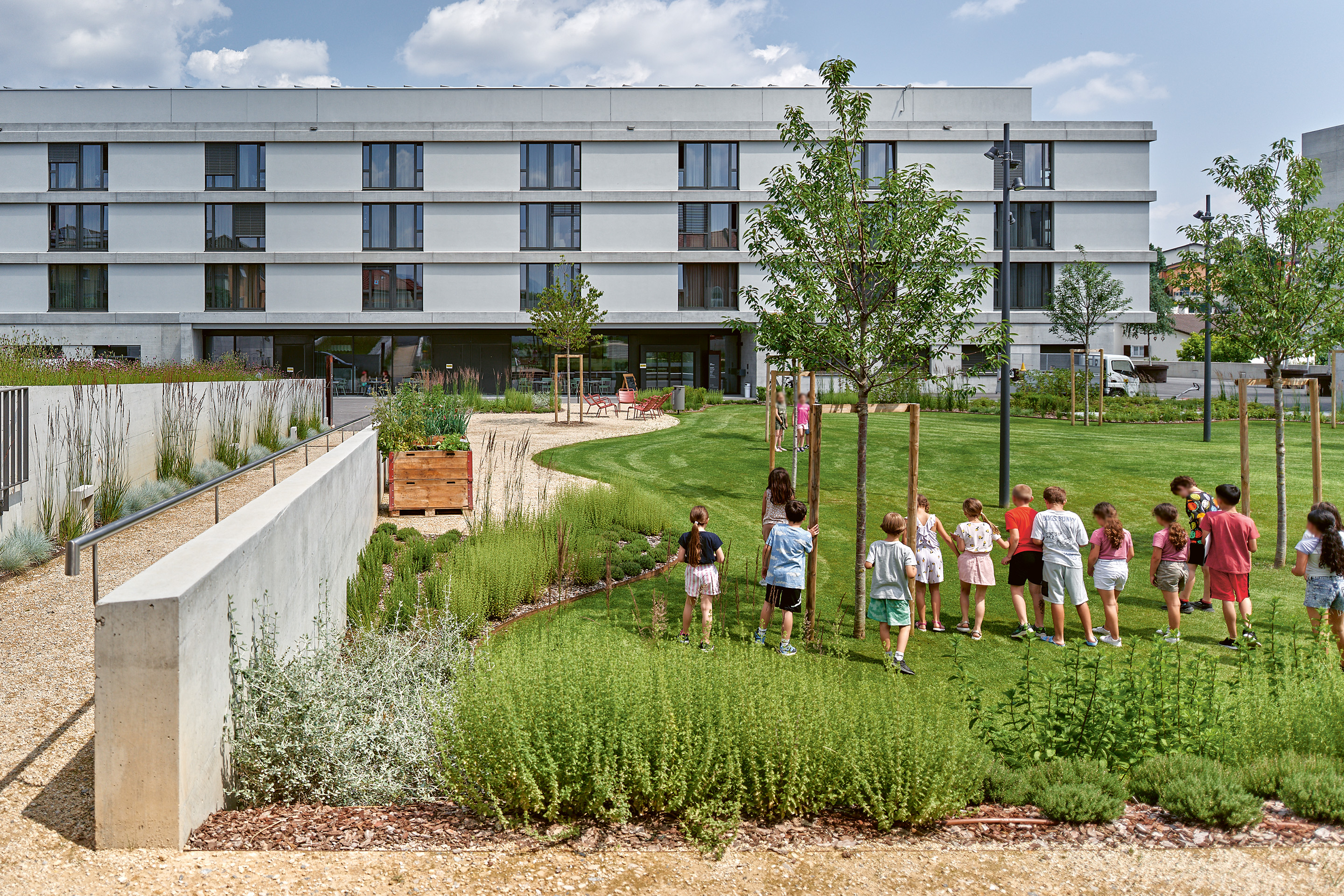
Räume für alle Altersgruppen Generationsübergreifende Durchmischung: Die Fondazione Parco San Rocco verwandelt in Coldrerio ein Quartier in einen städtischen Gemeinschaftsraum.
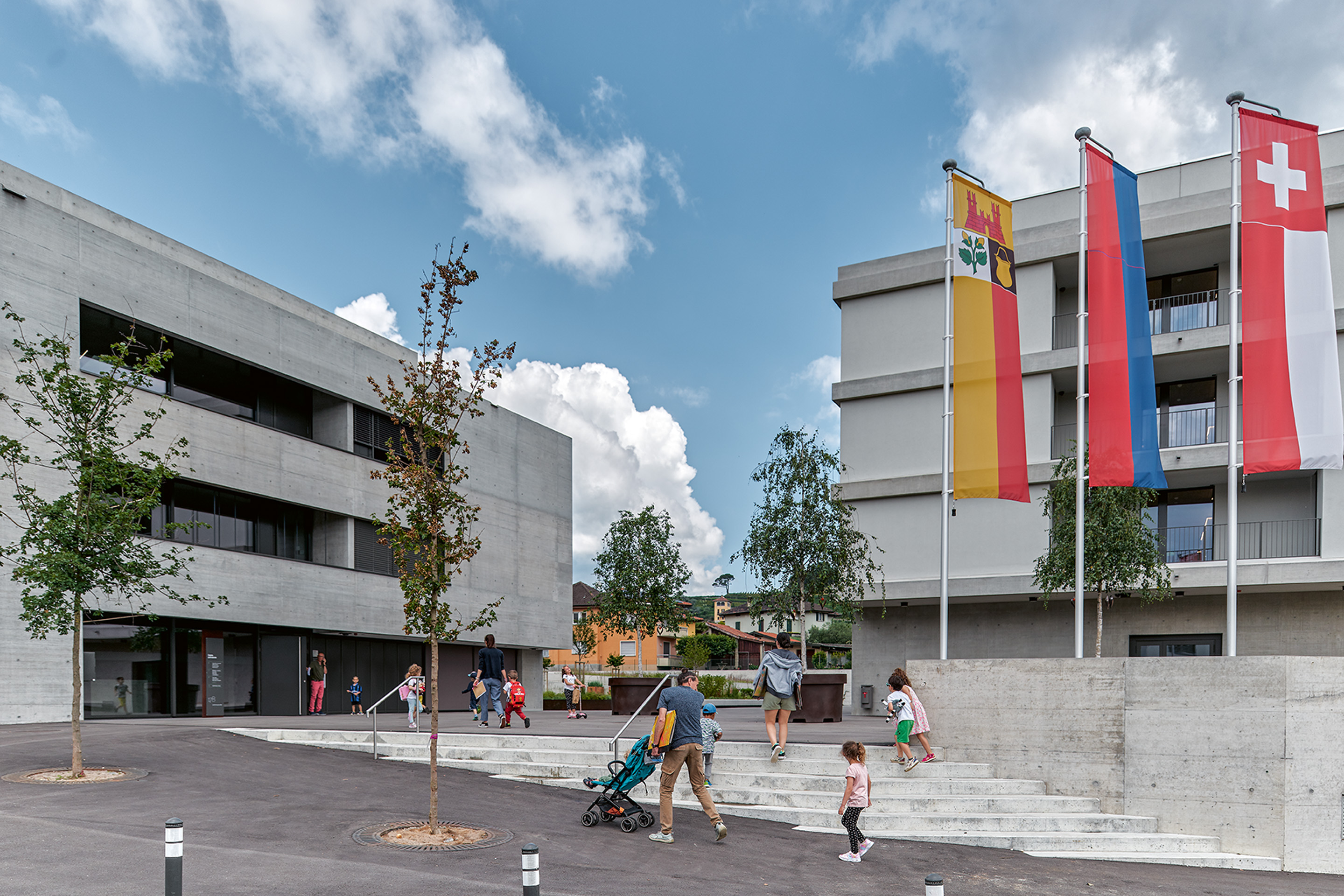
Spaces for all ages The Coldrerio intergenerational neighborhood transforms Parco San Rocco into an urban common. With a care home, community center, and residences, the central square and shared spaces foster proximity, inclusion, and reciprocity across generations.
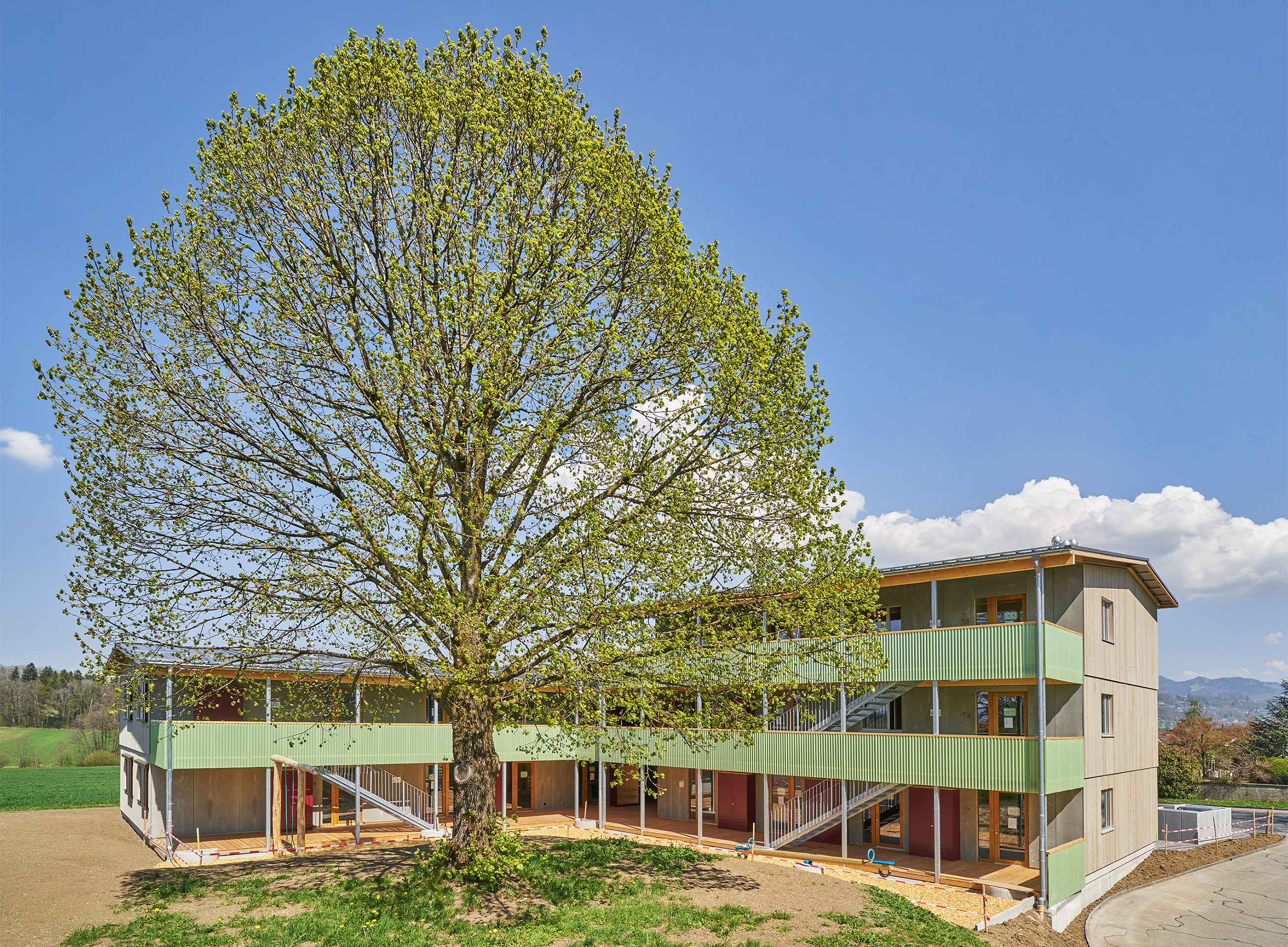
A porch to weave relations Einfaches Wohnen redefines refugee housing as dignified living. Wooden modules, shared and flexible spaces, a central courtyard and external walkways turn the temporary into a home, affirming care, justice and integration as architectural principles.
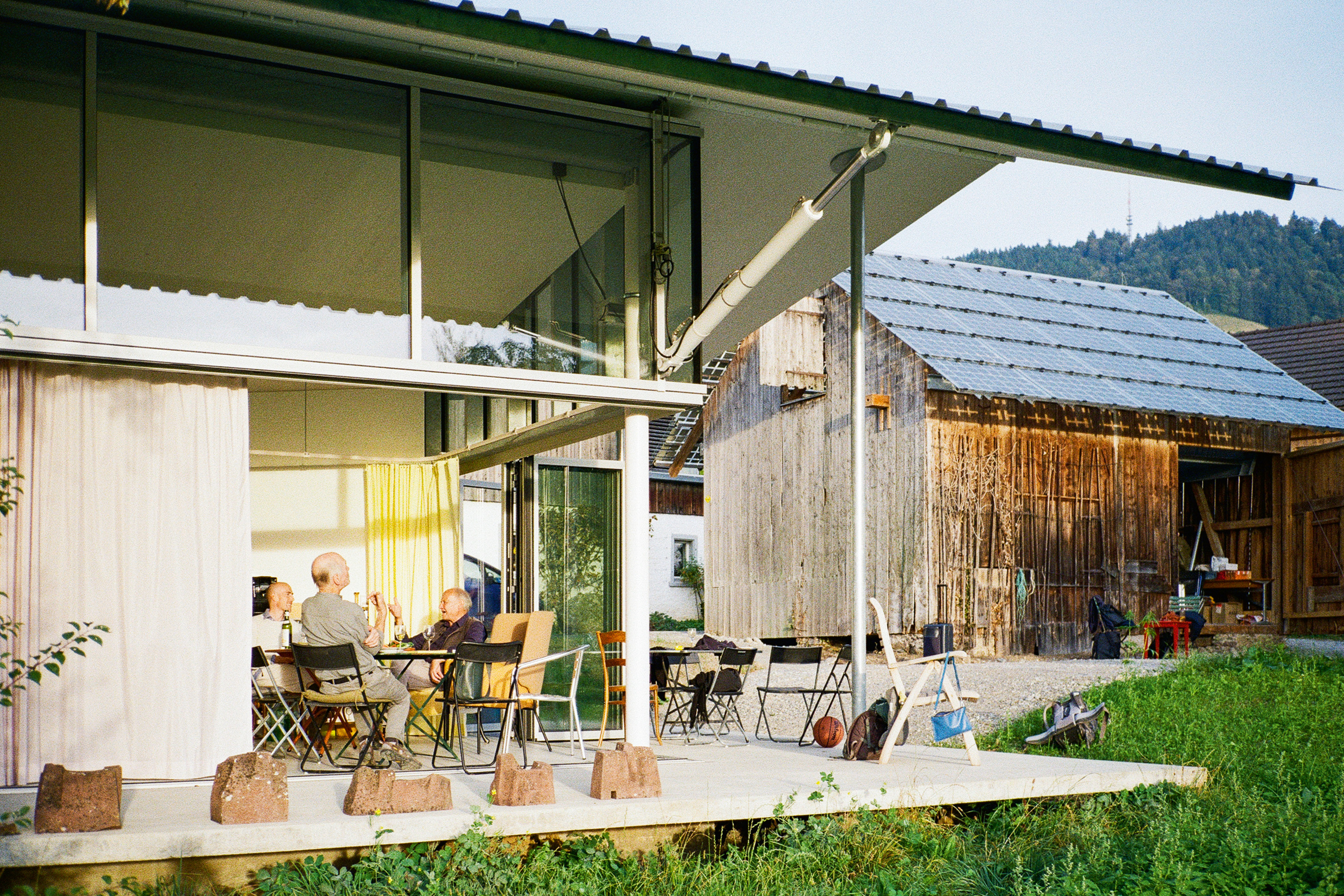
Collective domesticity The House for Almost Everything blends private dwelling and communal life. Its adaptable hall, pivoting roof, and flexible spaces transform the home into a responsive hub, hosting workshops, meals, and events, embodying an architecture of care
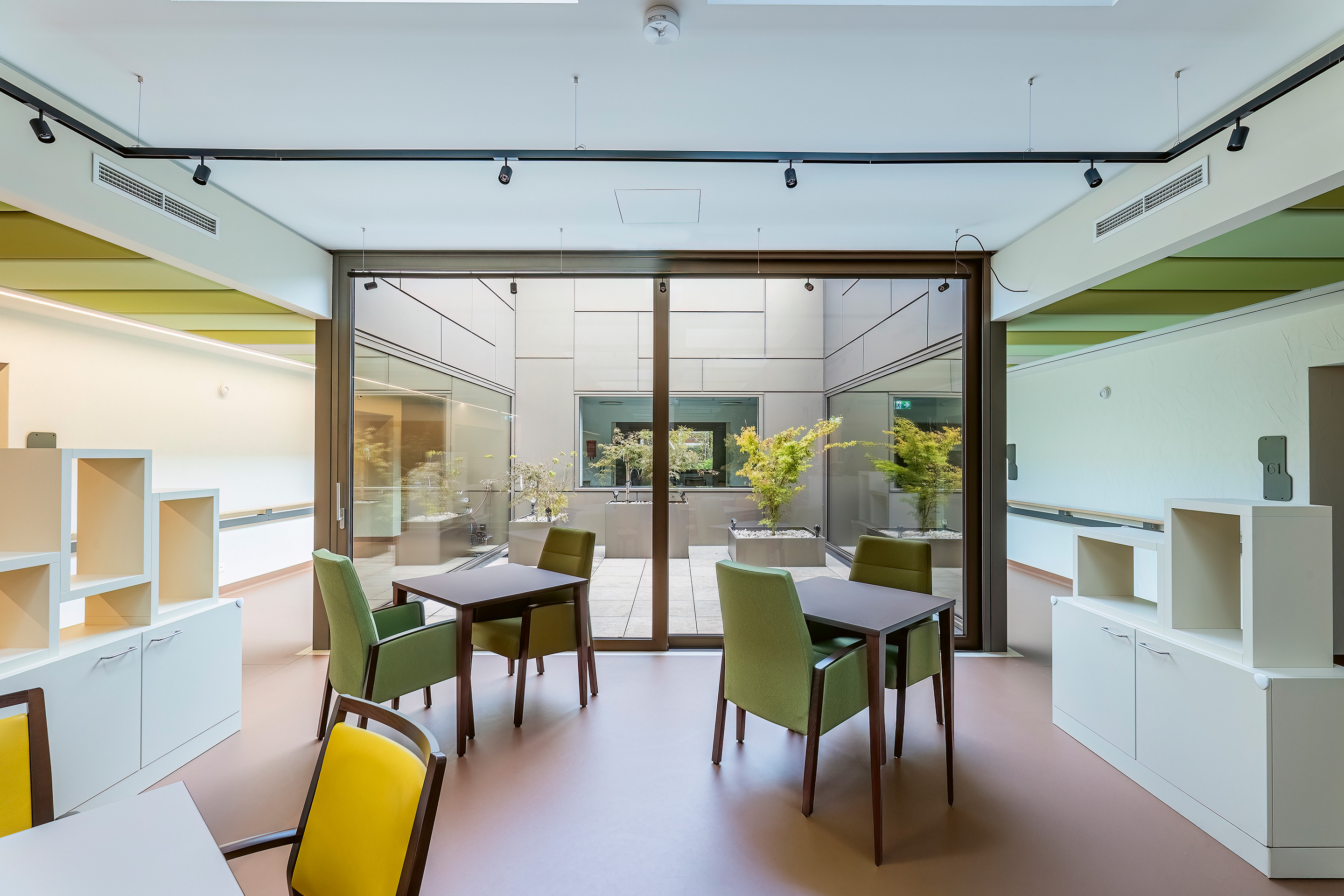
Feeling «at home» The Caslano retirement home redefines care architecture, blending domestic scale with civic presence. Spatial continuity, flexible layouts, and visual connections to gardens create a home-like environment where autonomy, social interaction, and
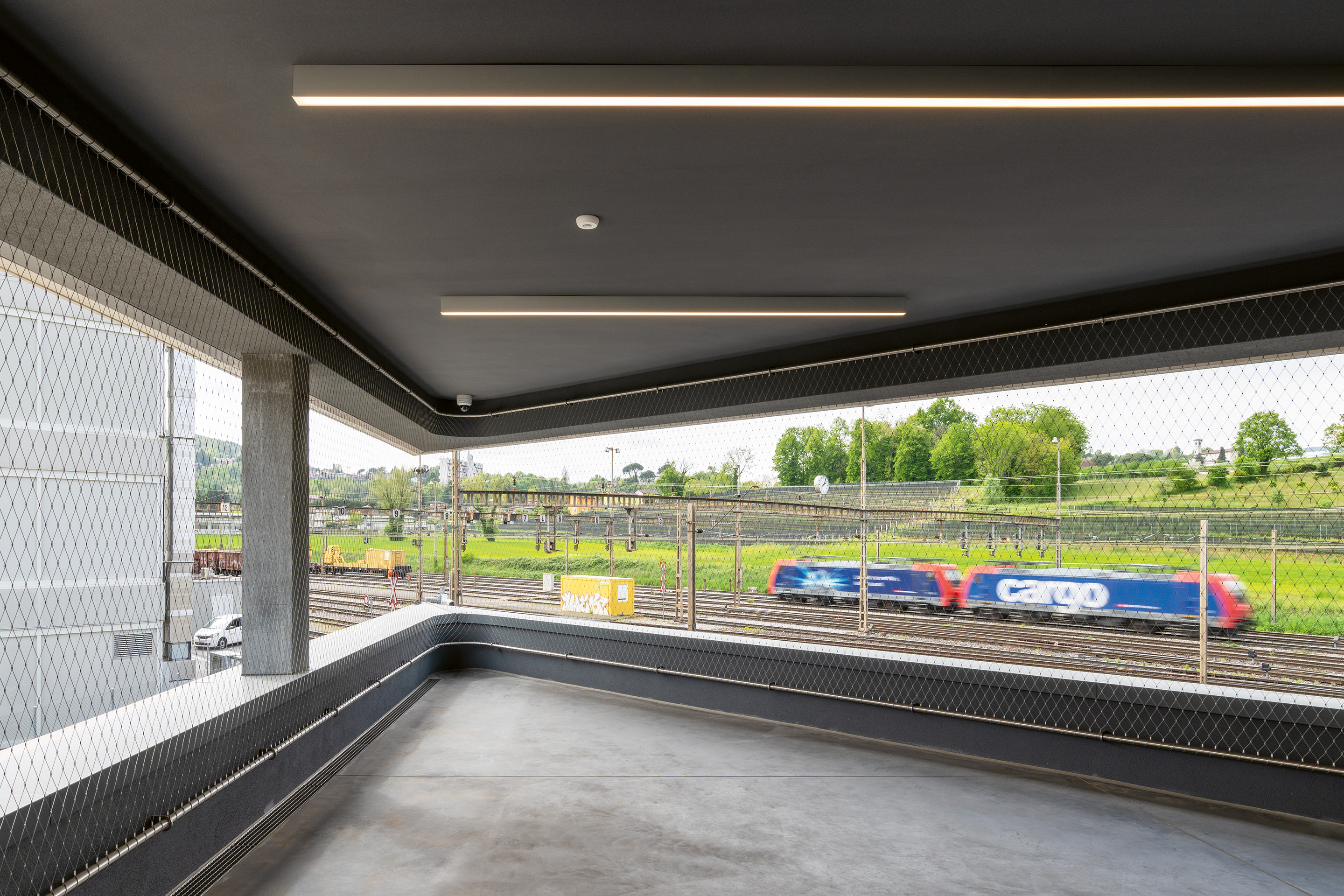
Reception and territorial mediation Situated between Novazzano and Balerna, the Federal Asylum Centre by Lopes Brenna acts as a territorial mediator: a linear structure balancing road and railway, order and waiting, institutional rigour and human dignity, transforming a threshold into
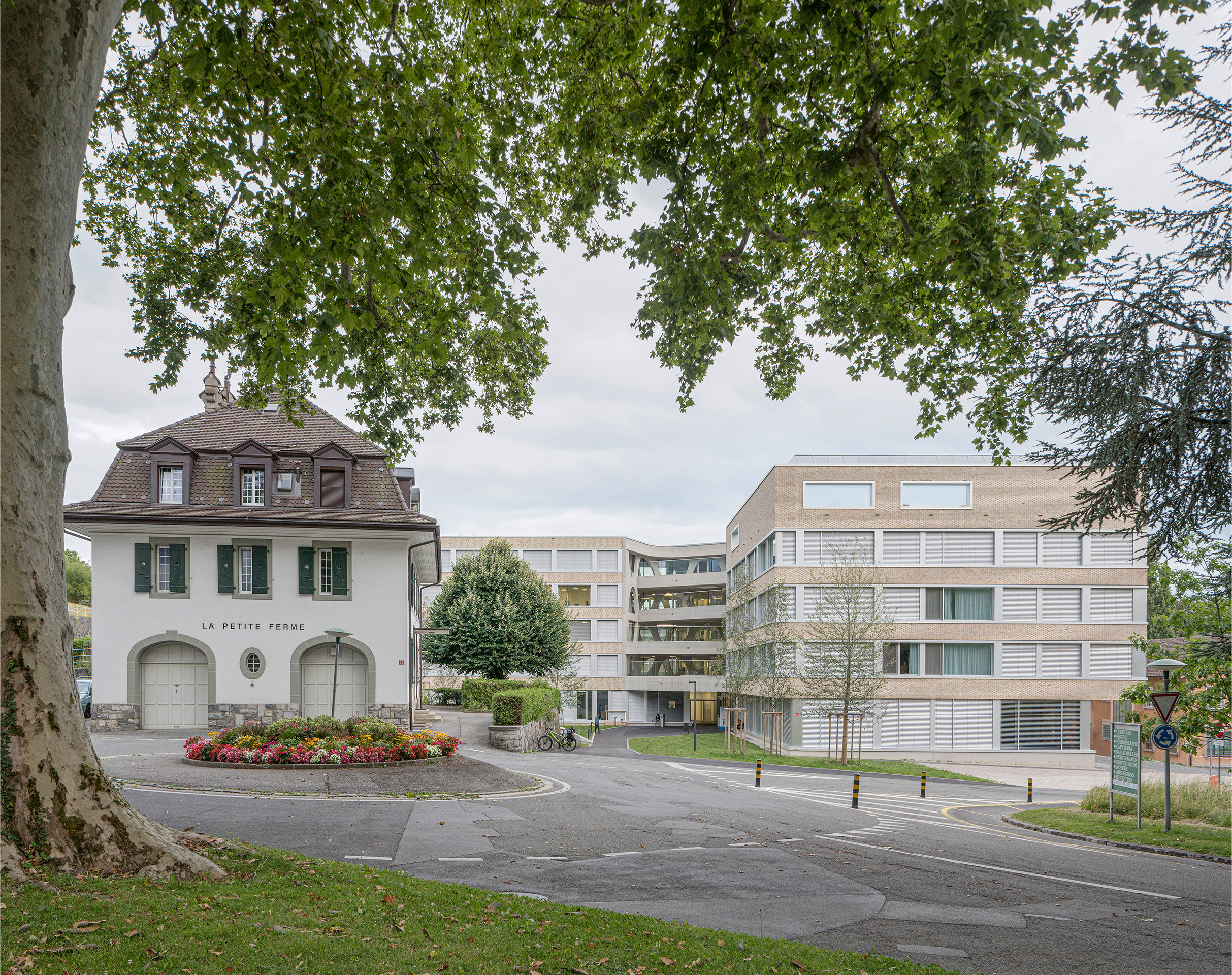
Spaces as a form of therapy In Cery-Prilly, the new psychiatric hospital redefines care: open to light, gardens, and community, it transcends the institutional model to create a healing environment where patients are welcomed as inhabitants, with dignity and a sense of
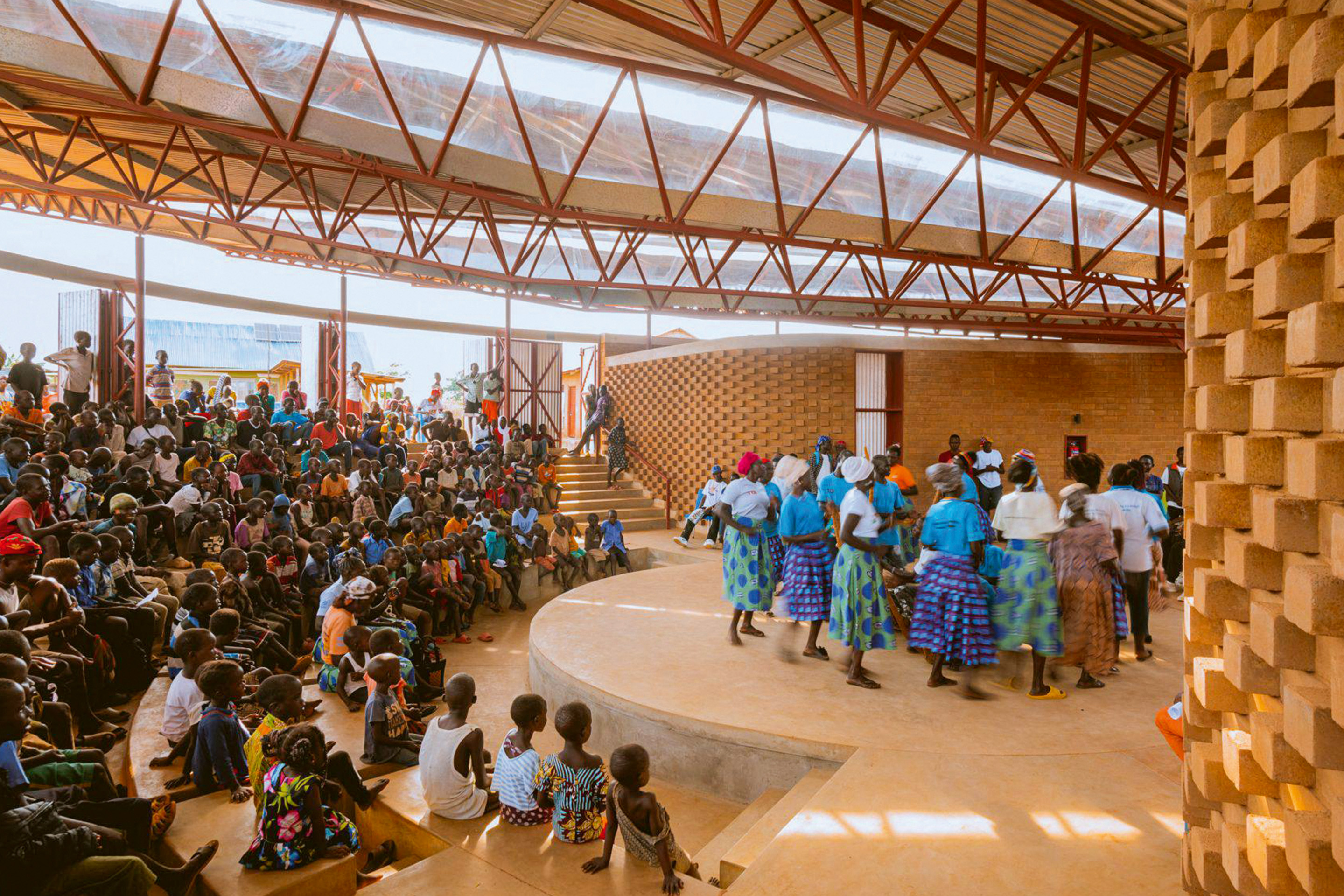
Reception and the right to care Welcoming refugees means designing dignity and belonging: open spaces, porous thresholds, and participatory infrastructures turn temporary shelter into community, promoting justice, relationships, and care as core architectural and urban principles.