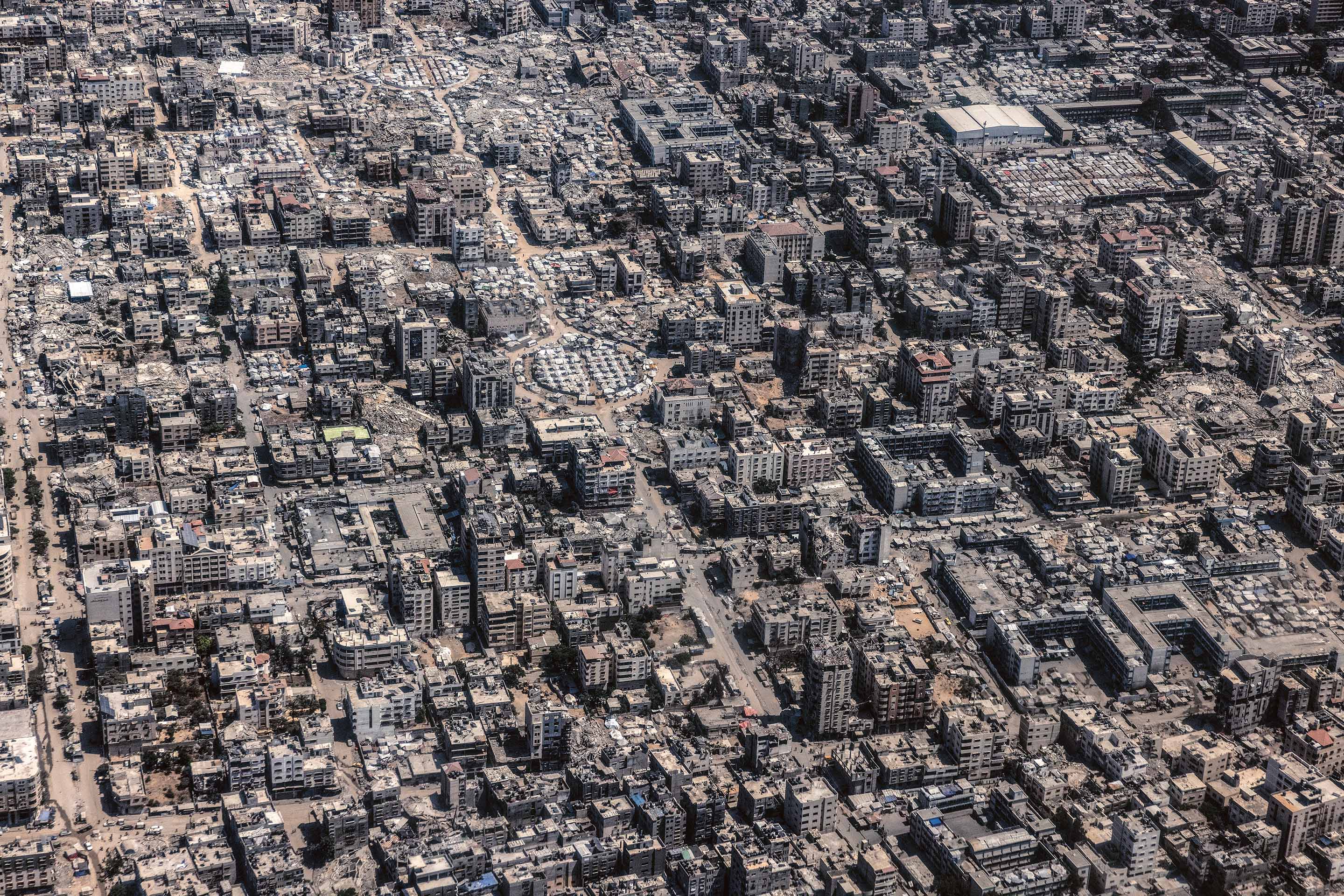
Care is not a sentiment, it is a form
Care is not an accessory gesture, but an infrastructural principle guiding architecture and urbanism. This issue of Archi explores how built space can support vulnerability and coexistence, turning fragilities into resources for a more just collective life.
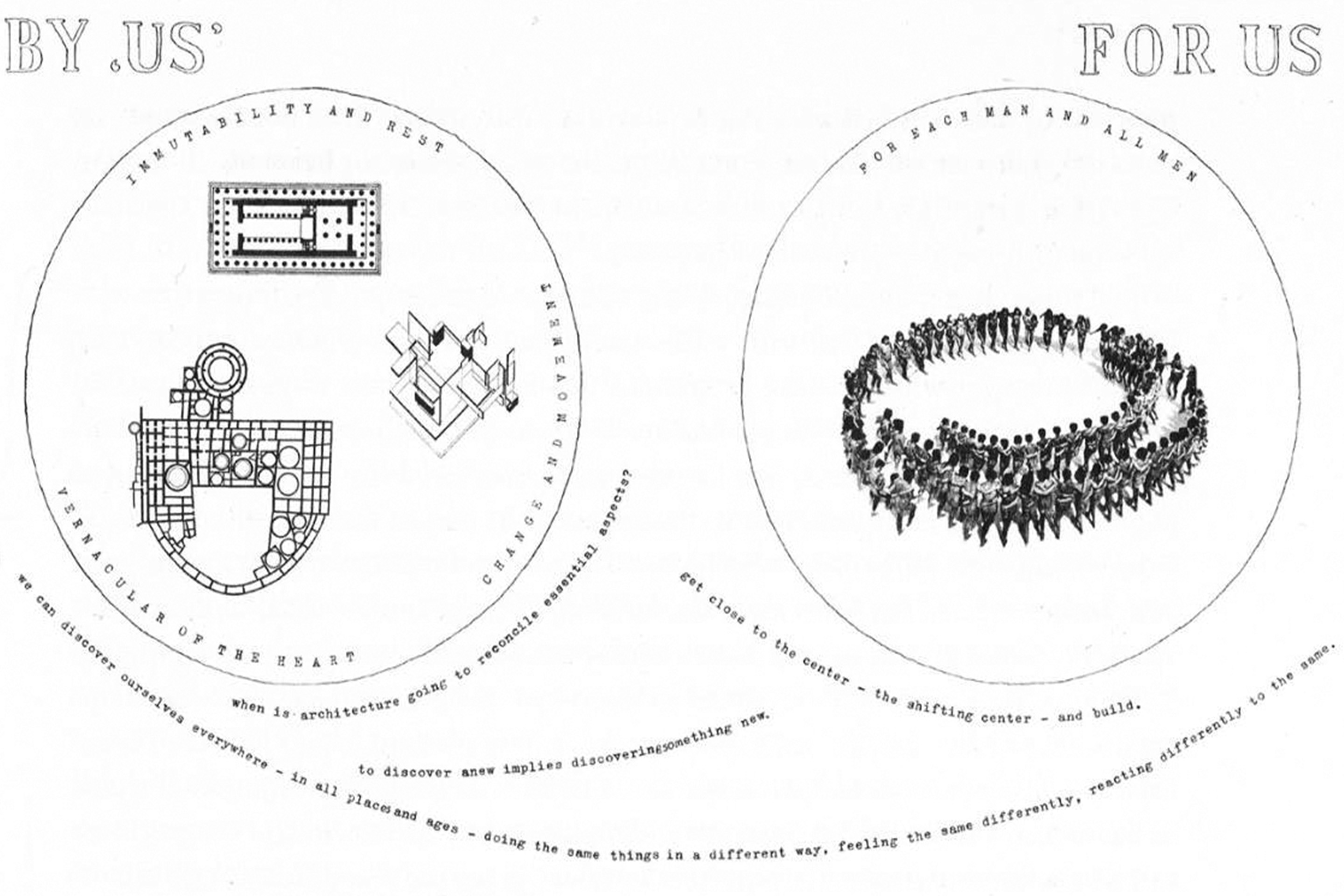
La cura non è sentimento, è forma testo in italiano
It is not an occasional gesture of compassion, but a structural principle that informs how we design spaces, organize territories, and inhabit the world. In an age marked by social precarity, ageing populations, migratory displacement, and the erosion of communal bonds, care emerges not as a moral feeling but as an architectural and urban imperative.
As political theorist Joan Tronto reminds us, «care is a practice… not only something we feel, but something we do». This shift, from sentiment to structure, requires us to understand care as embedded in the material and spatial arrangements that sustain everyday life. To think care today is to rethink the infrastructures of coexistence. It means asking how architecture can support vulnerability without reducing it to pity, how planning can foster encounter without imposing control, and how the built environment can become a vehicle for justice. In this light, care is not a gentle add-on to functional design, but its very foundation: a grammar of construction grounded in relation, continuity, and the possibility of staying. It resists the logics of speed and disposability. It interrupts the dominance of optimization and containment. And it affirms dignity through material choice, spatial organization, and attention to the temporalities of dwelling.
This issue of Archi approaches care across multiple scales, from the domestic to the territorial, from the private space of a dwelling to the collective life of the neighbourhood. The domestic dimension of care (Luca Reale) opens the discussion showing how forms of collective dwelling can move beyond resilience toward antifragility: housing that grows and strengthens by addressing vulnerability and cultivating mutual support. In this framing, the home is not a bounded unit but a porous structure, capable of hosting intergenerational solidarities and new forms of living-together. Two projects exemplify this horizon: the Department of psychiatry CHUV in Cery-Prilly, where therapeutic design integrates care into spatial routines, and the Caslano Retirement Home, where domesticity itself becomes an architecture of continuity and support.
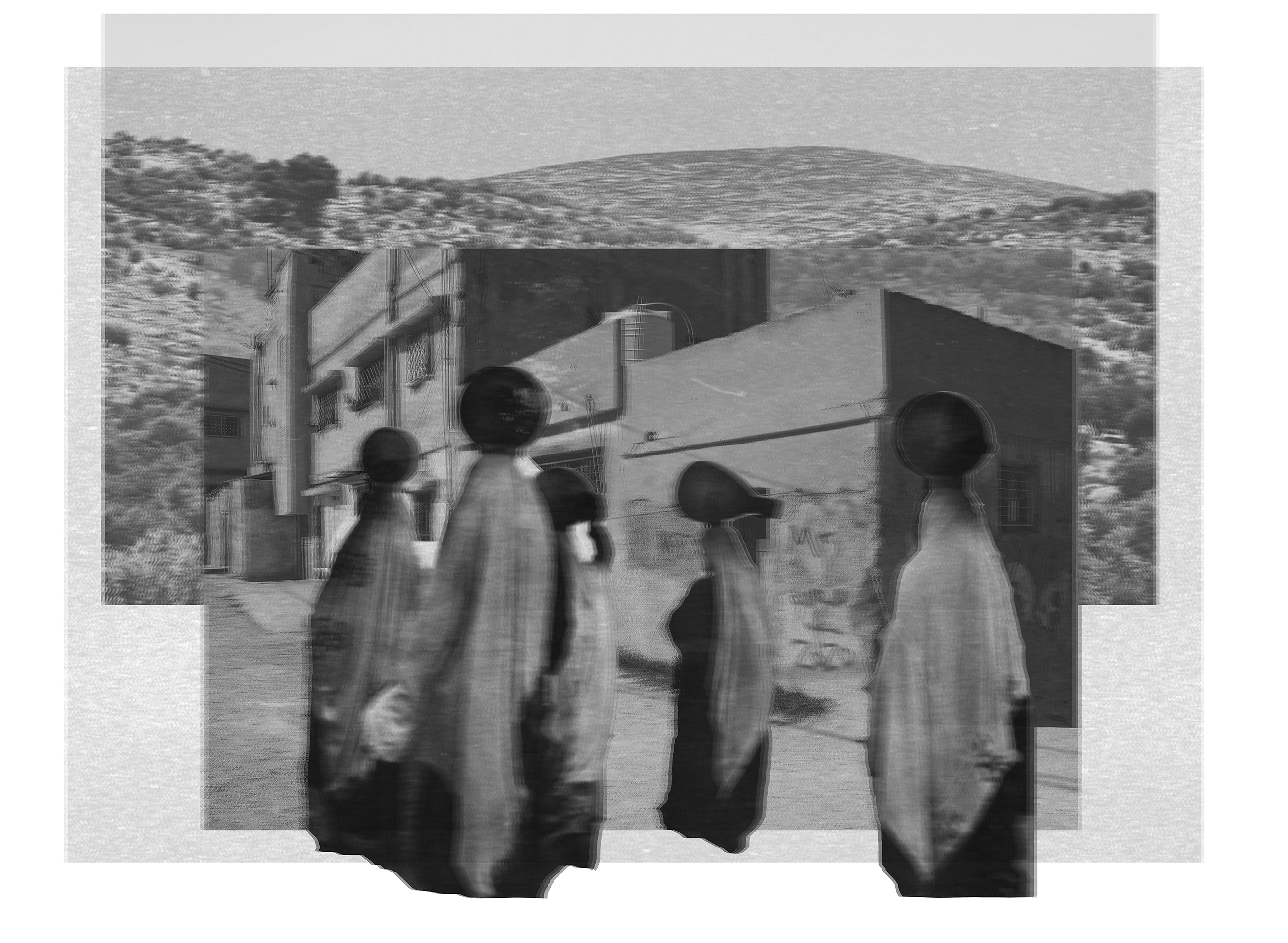
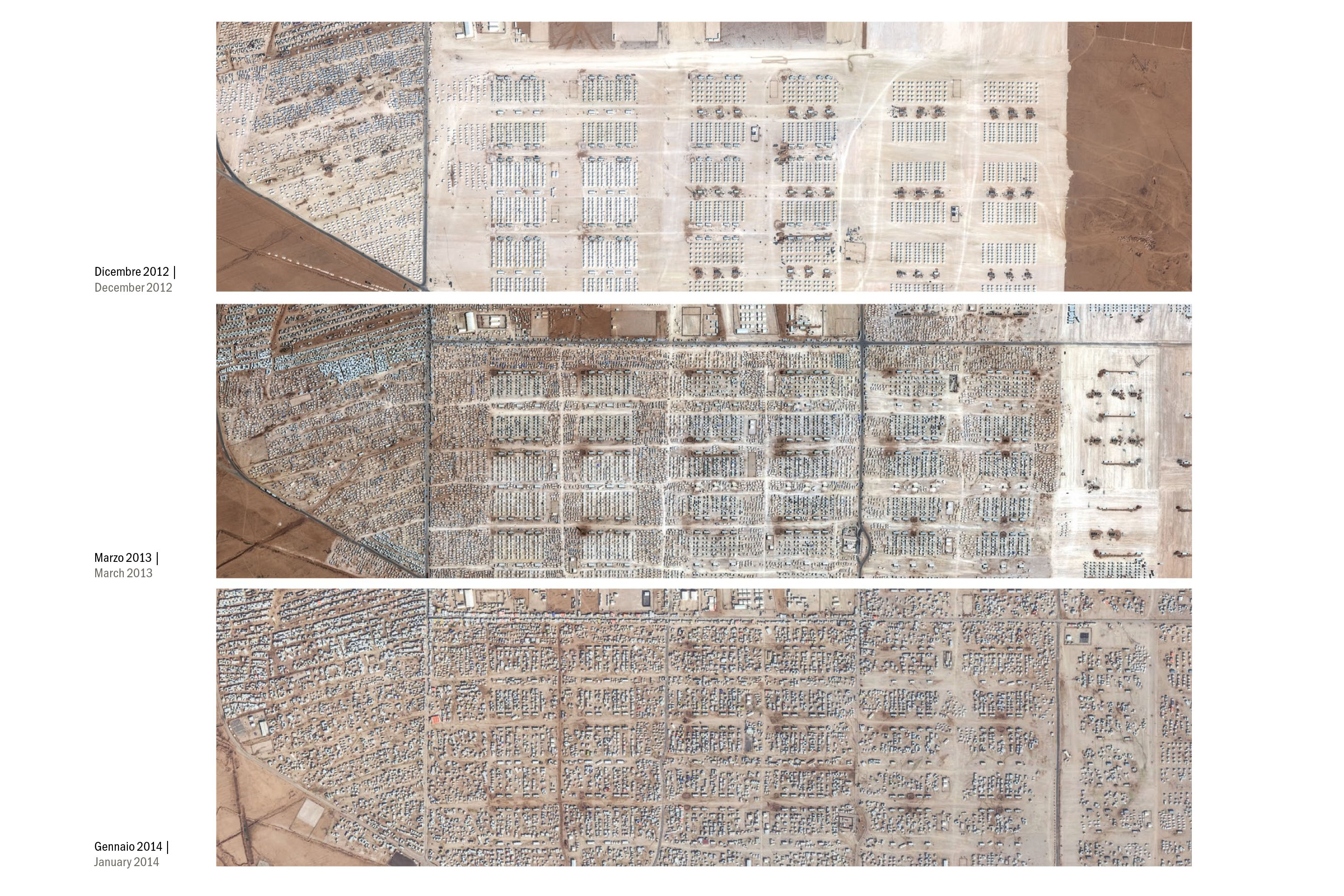
From here, the reflection widens to the conditions of refugees and to the recognition of the guarantee of support and dignity. Reception and the right to care (Hind Al-Shoubaki) reframes reception not as control but as relation, and care not as charity but as spatial practice. The architecture of reception is often marked by tensions between containment and hospitality, between efficiency and dignity. Yet projects such as the Residential Buildings for Refugees in Bubikon and the Federal Asylum Centre in Balerna-Novazzano demonstrate that another approach is possible. Here, architecture appears as a medium of hospitality, building continuity, belonging, and the possibility of integration even within the strictures of administrative regulation. The question is not only how to house displaced persons, but how to create conditions in which the act of arrival becomes the beginning of participation in collective life.
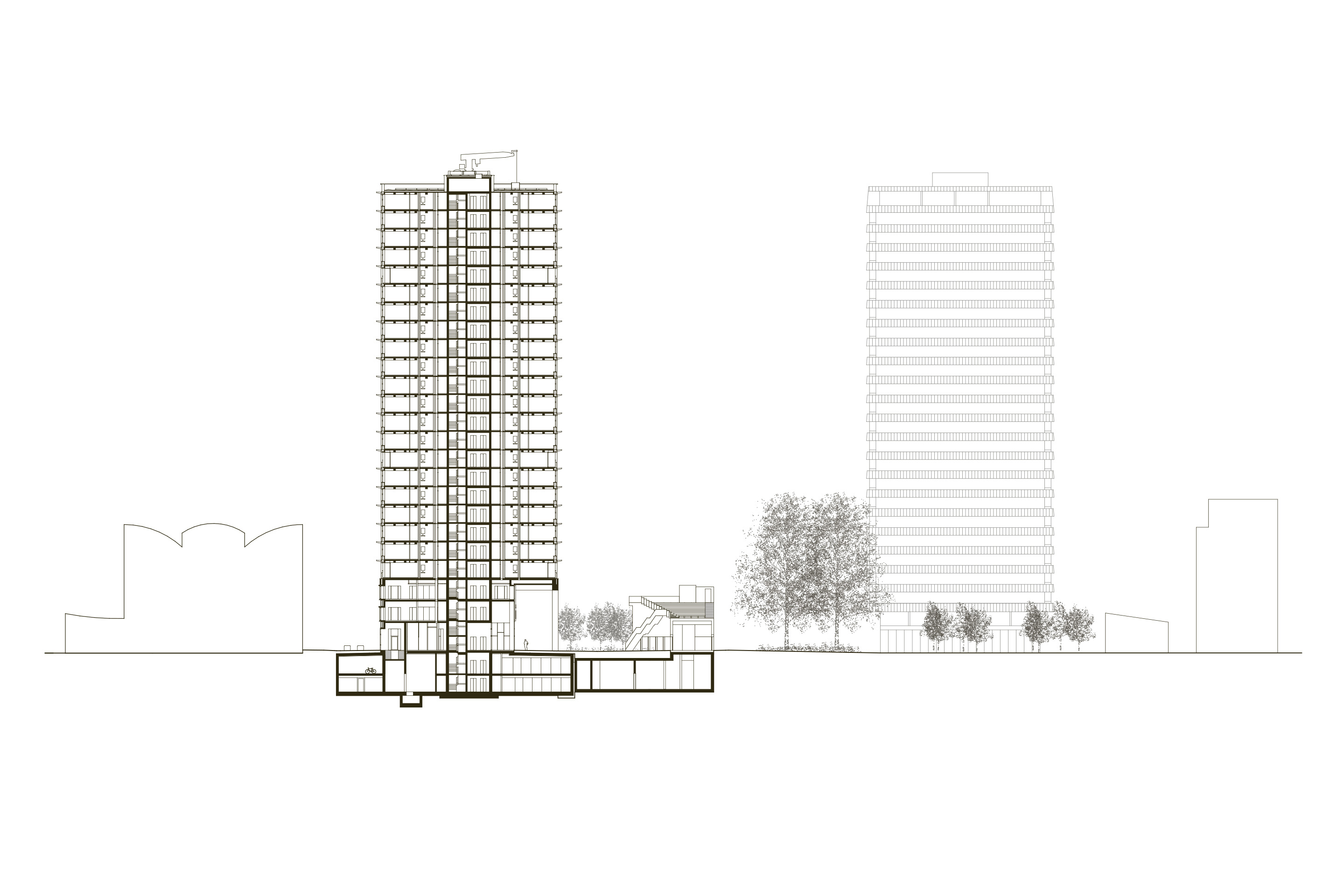
Finally, No body is surplus (Matthias Drilling) turn to care at the neighbourhood scale, where urban form becomes an ethical and architectural proposition. If Henri Lefebvre once claimed the right to the city as a demand for participation and recognition, the notion of care allows us to reinterpret this right as a set of material practices and relational infrastructures. Here, chrono-urbanist proximity, symbolic invitations, and spaces of encounter are not abstract ideals but practical conditions for spatial justice. Two projects illustrate this trajectory: the intergenerational neighbourhood in Parco San Rocco in Coldrerio, designed as a shared framework for all ages, and the House for Almost Everything in Zurich, where domesticity and collective belonging are held in dynamic negotiation. In both cases, care is spatialized as an ongoing practice of openness, adaptability, and shared responsibility.
Taken together, these reflections and projects show that care is not a marginal concern, but a central question for contemporary architecture and urbanism. It is not a «soft» supplement to technical design but an infrastructural principle, a way of conceiving, constructing, and inhabiting the spaces that shape our shared futures. By foregrounding care, this issue insists that architecture is not merely about problem-solving, nor about aesthetic experimentation alone. It is about constructing the conditions of a dignified, interdependent, and sustainable life.