Archisatire: A Counter History of Architecture
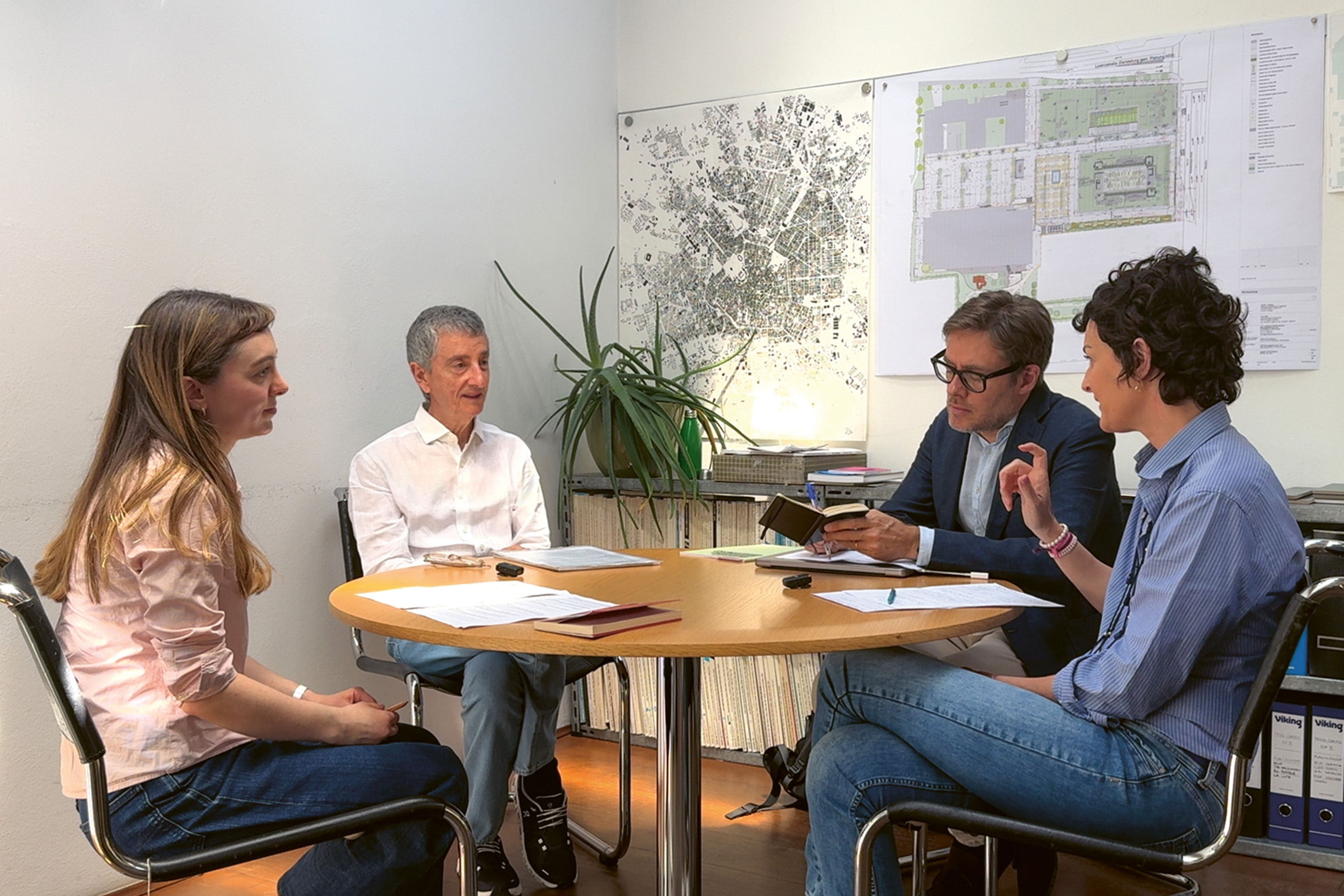
Video interview with curator Gabriele Neri
Architecture seen from the sidelines, through irony and satire. In this video interview, Gabriele Neri discusses Archisatire, an exhibition that rereads the history of the discipline through cartoons, images, and films, bringing to light contradictions, stereotypes, and the relationship between architecture, society, and public debate.
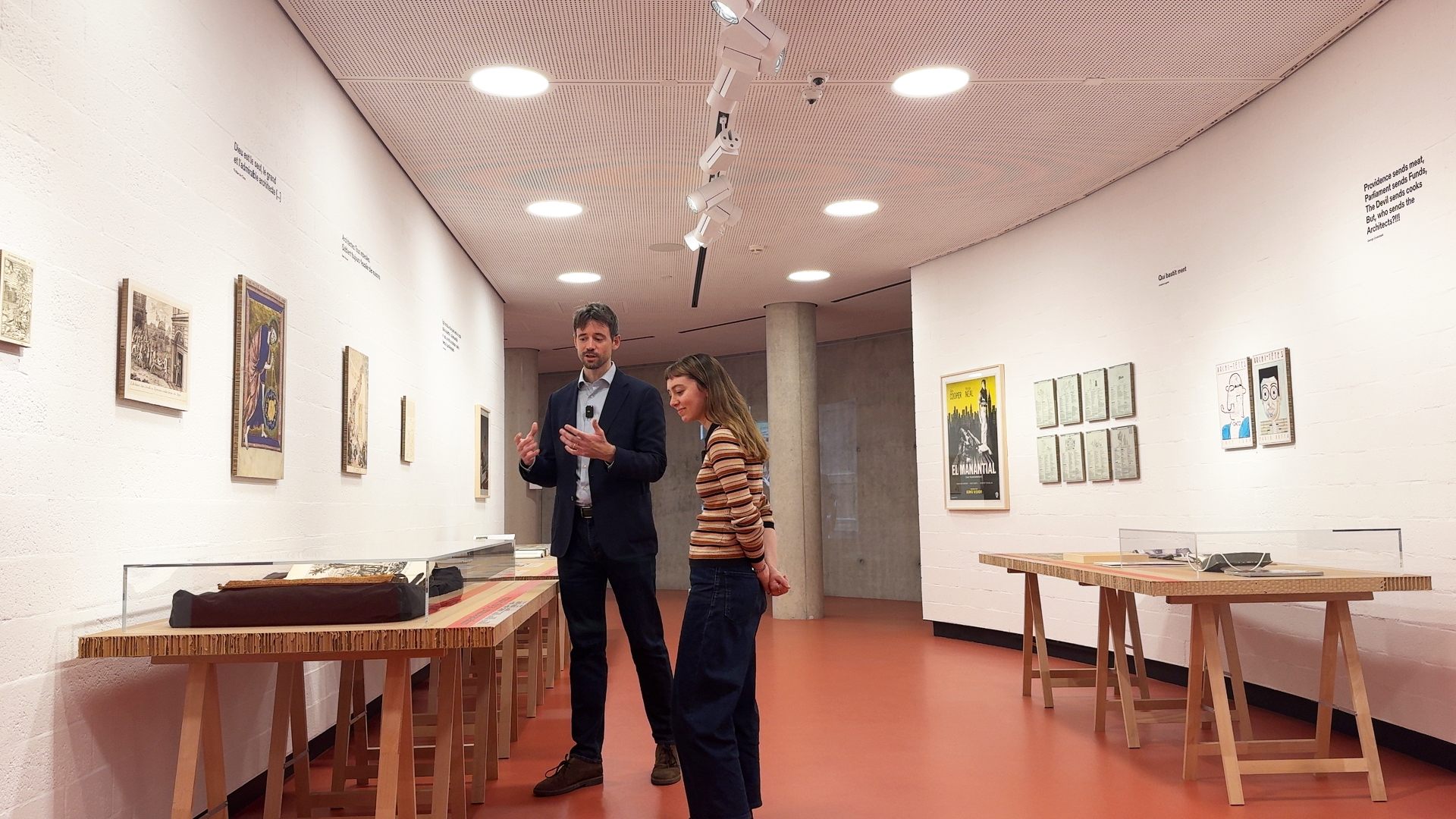
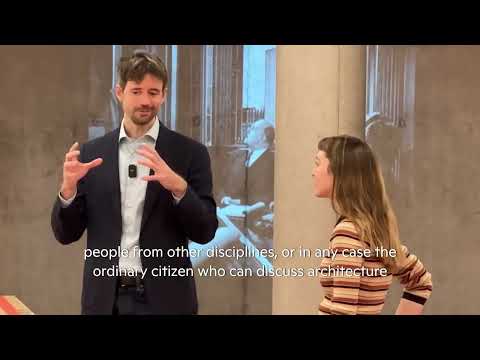
What happens when architecture stops taking itself too seriously and becomes the subject of satire, humour and caricature? In this video interview, Gabriele Neri presents the curatorial project behind Archisatire, the exhibition at Teatro dell’architettura Mendrisio (14 November 2025–29 March 2026), which looks at architectural history through humorous and satirical images: caricatures, vignettes, photomontages, cartoons and films, including animated films.
Curated by Gabriele Neri and promoted by the Academy of Architecture of Università della Svizzera italiana, the exhibition brings together works created in very different contexts, from newspapers and magazines to popular visual culture and more recent productions. These images capture how architecture and urban change have been perceived in public debate, through social tensions and shifting everyday experiences, offering another way to look at buildings, cities and professional figures.
In the interview, Neri reflects on how these materials allow us to observe architecture from an unexpected angle, highlighting expectations, stereotypes and contradictions that have accompanied the discipline over time. Satire becomes a useful filter for reading the relationship between architecture and society, bringing to the surface questions that are often overlooked in official narratives.
Through irony and distance, Archisatire builds a counter history of architecture that reveals its more human side: ambitions, blind spots and failures. It is an invitation to look again, and to see how laughter can become a tool for understanding and participation, shortening the distance between architects, the city and the public.