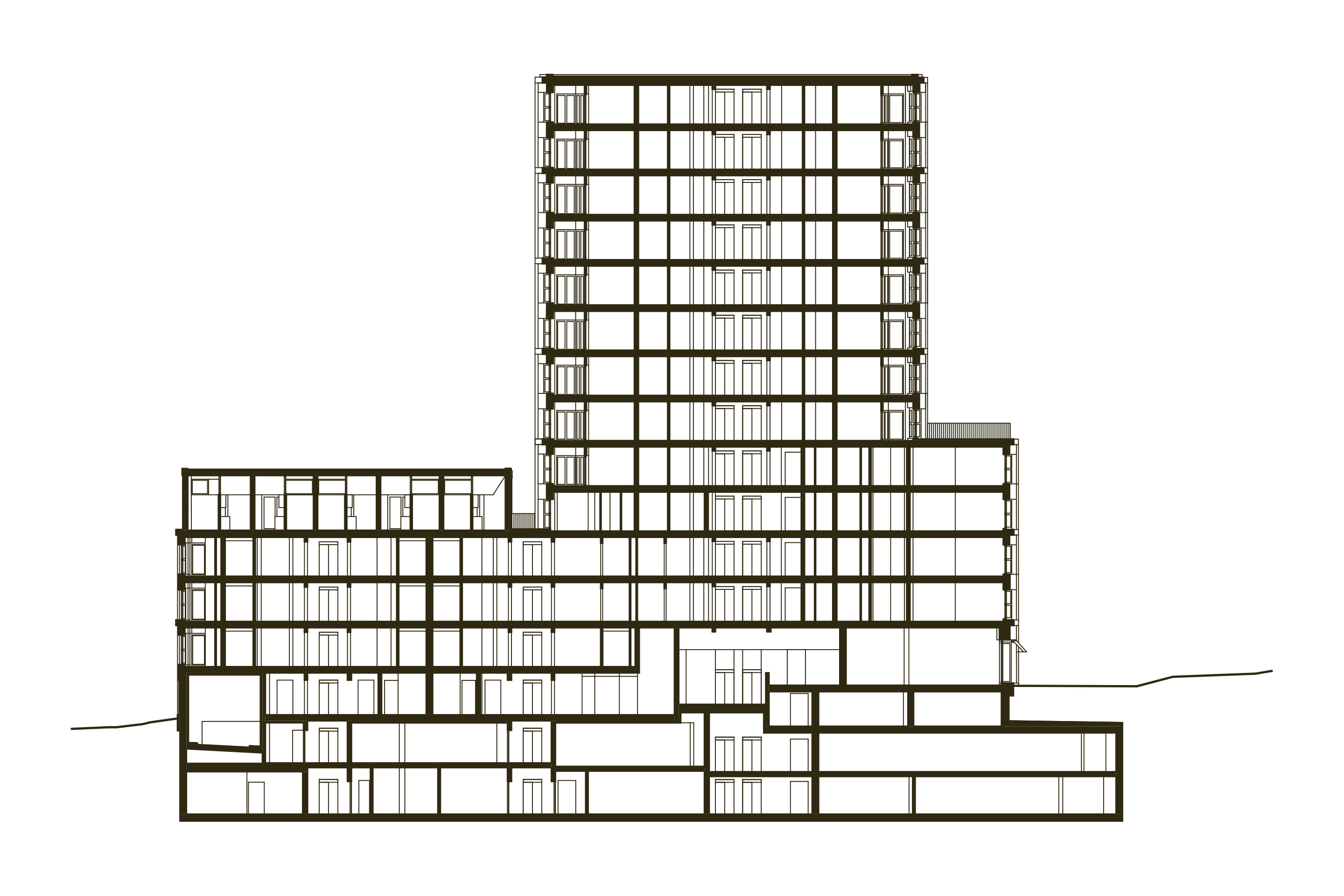
Living up high, in Switzerland
High-rise residential buildings mark a new phase of urban densification in Switzerland. A comparative reading of buildings, dimensions, programmes and contexts explores how Swiss cities are growing upwards.
Testo in italiano al seguente link
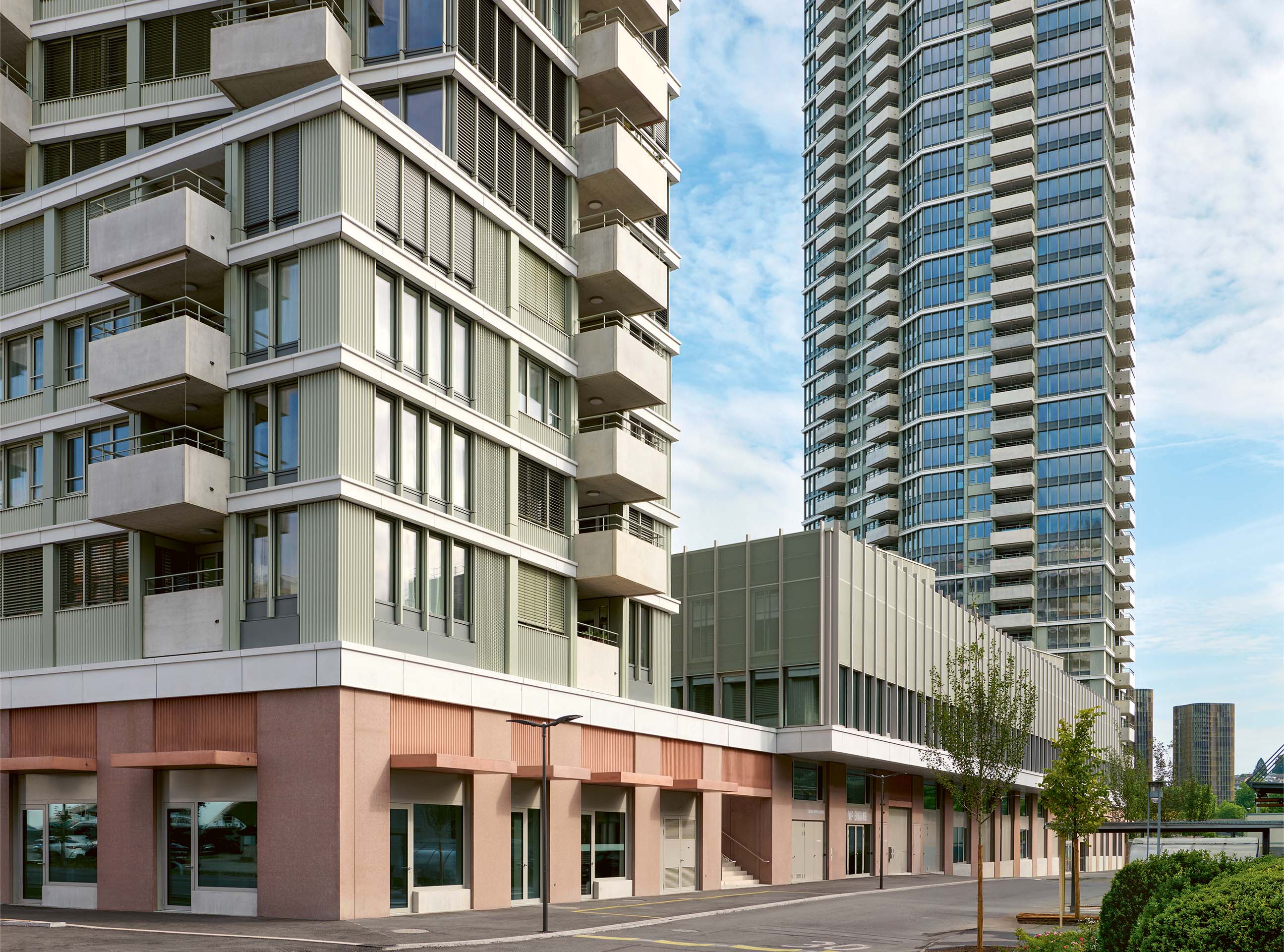
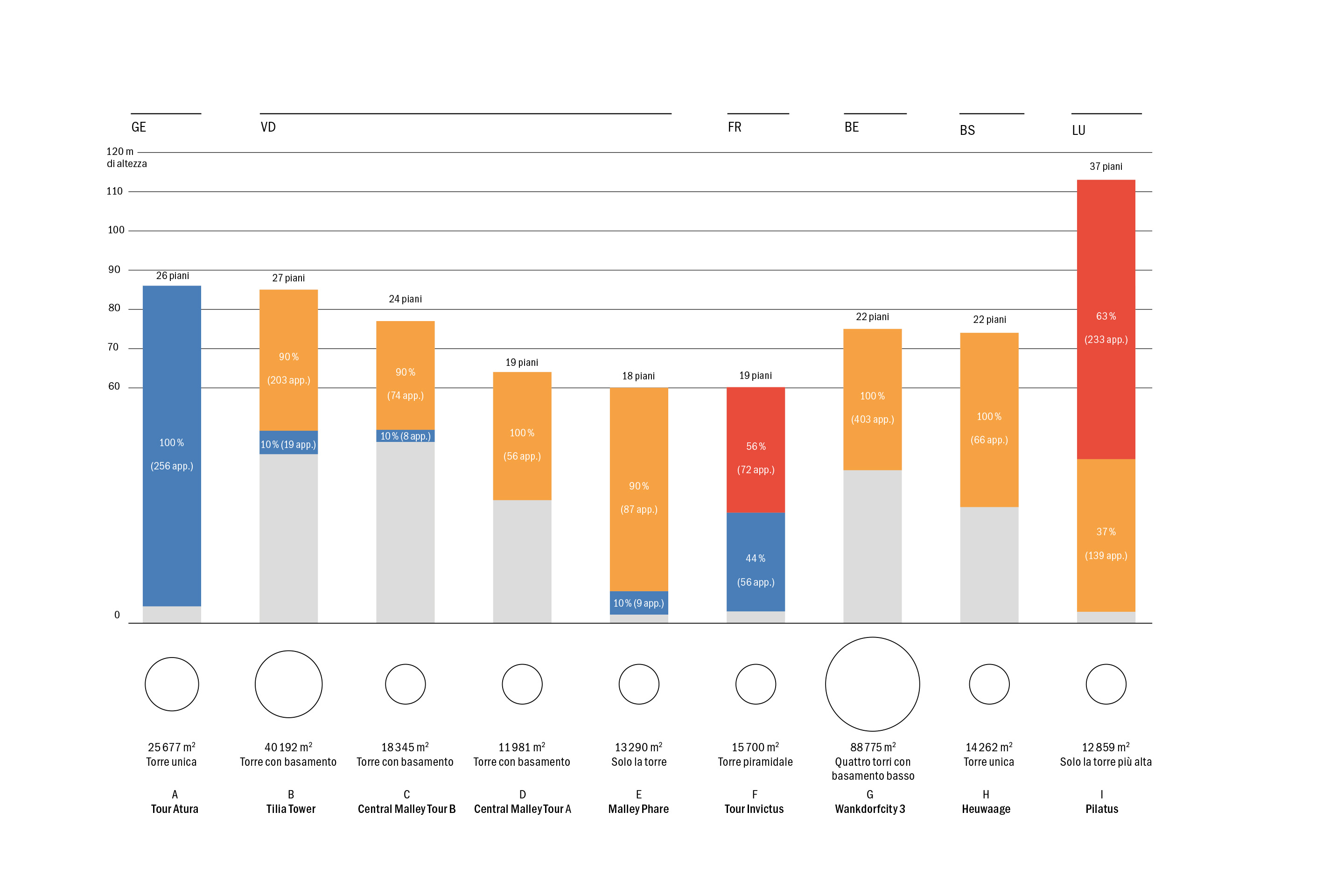
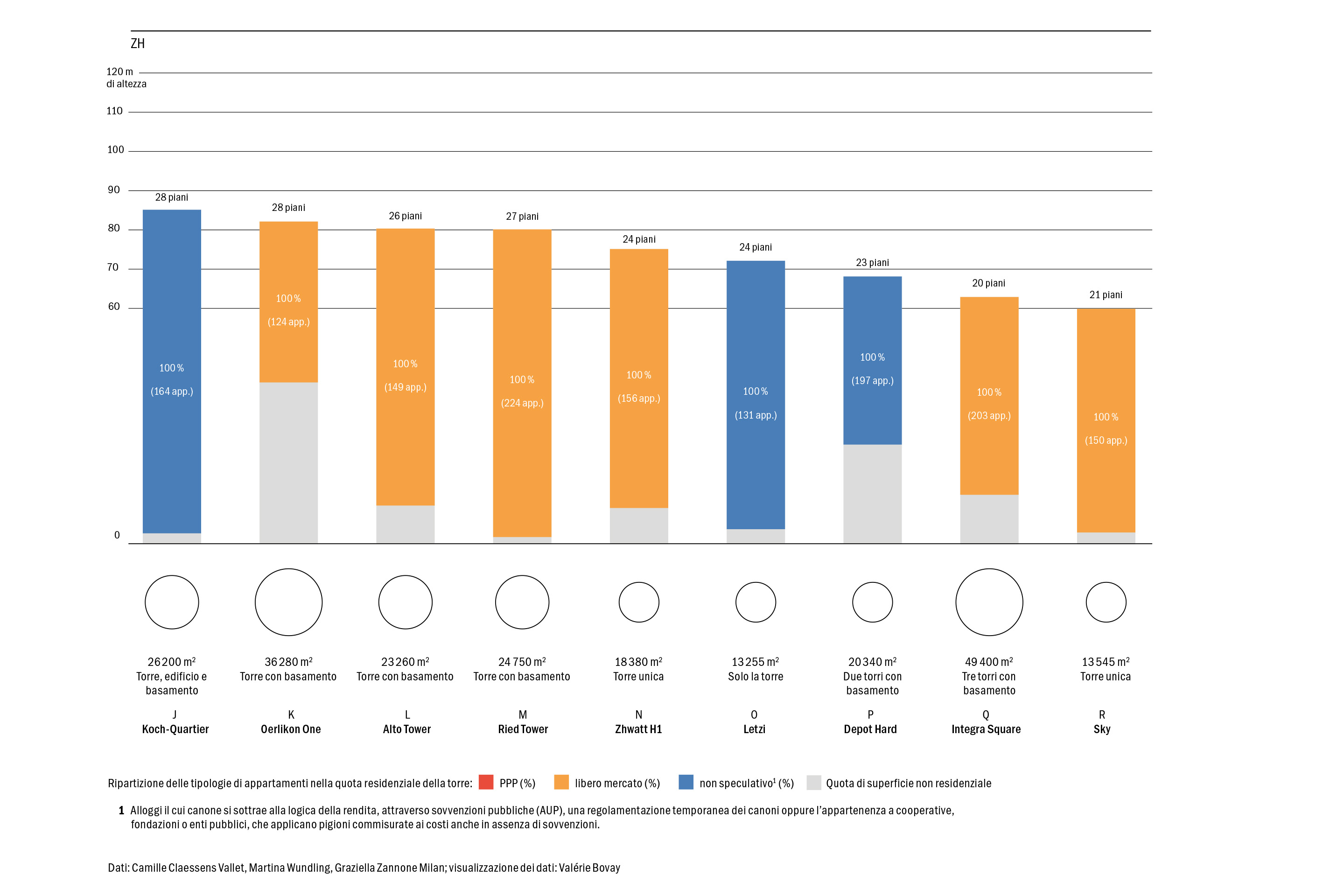
High-rise buildings reflect the strategy adopted by a growing Switzerland: densifying existing building land. The editorial teams of espazium revue, espazium magazin and espazium quaderni have analysed and compared them. In the face of Switzerland’s demographic growth, public and private developers, particularly near major cities, are increasingly turning to high-rise construction. In order to build new housing on limited urban sites that meets current standards of comfort and space, however, they have to bear higher construction costs per square metre. The taller a building, the greater the costs associated with its load-bearing structure, façade, safety requirements and technical installations. This is compounded by the greater proportion of space taken up by vertical circulation cores, which reduce the habitable floor area available on each level. These factors contribute to higher rents, although they do not fully account for them. In cooperative or municipally managed projects, the increase has a less impact on rents. All high-rise buildings, however, share one characteristic: prices increase proportionally with height, whether the housing is subsidised, rented at market rates or owner-occupied.
High-rise buildings – in our analysis, those exceeding 60 metres – enable significant densification on limited sites and are concentrated primarily in the metropolitan
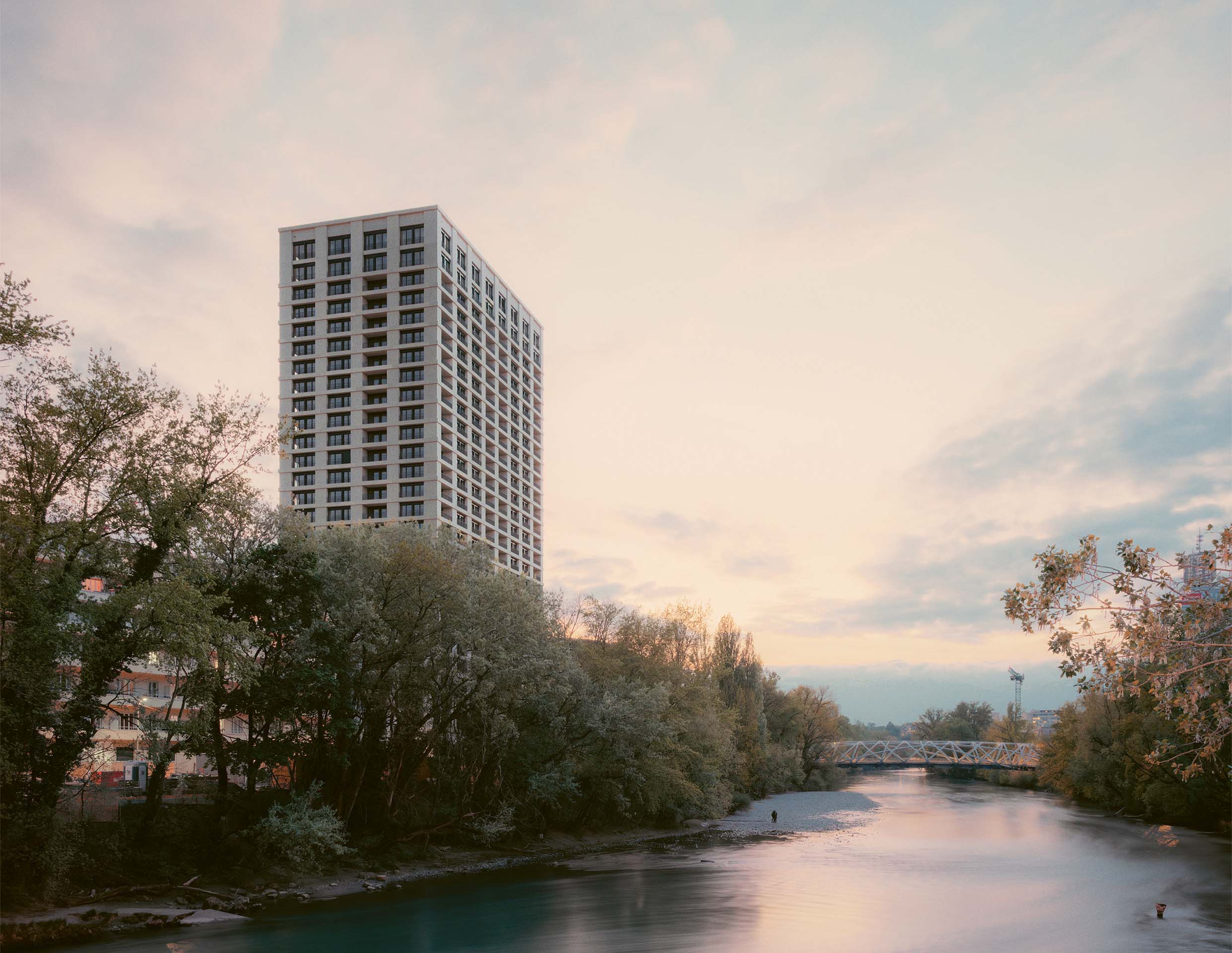
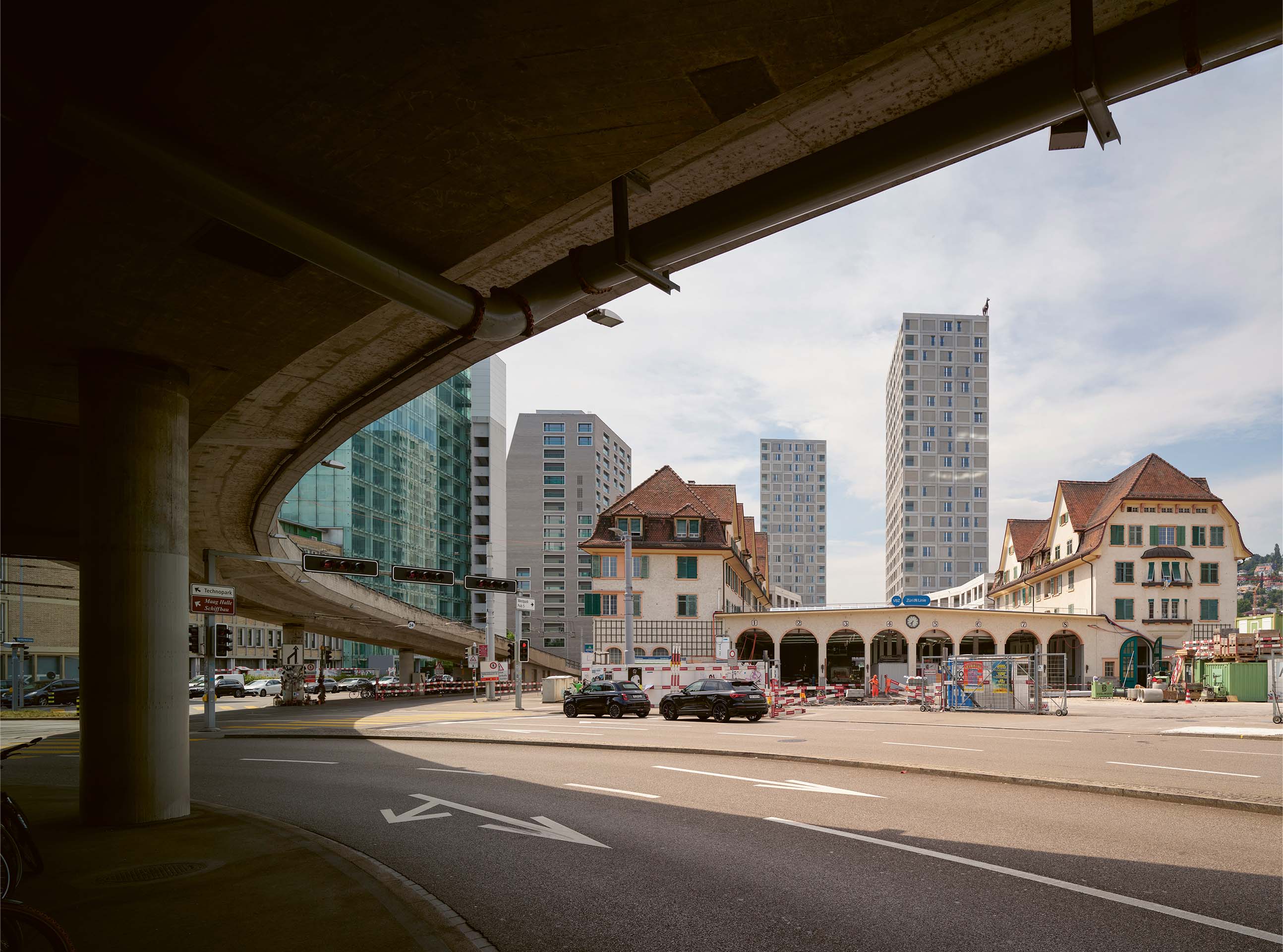
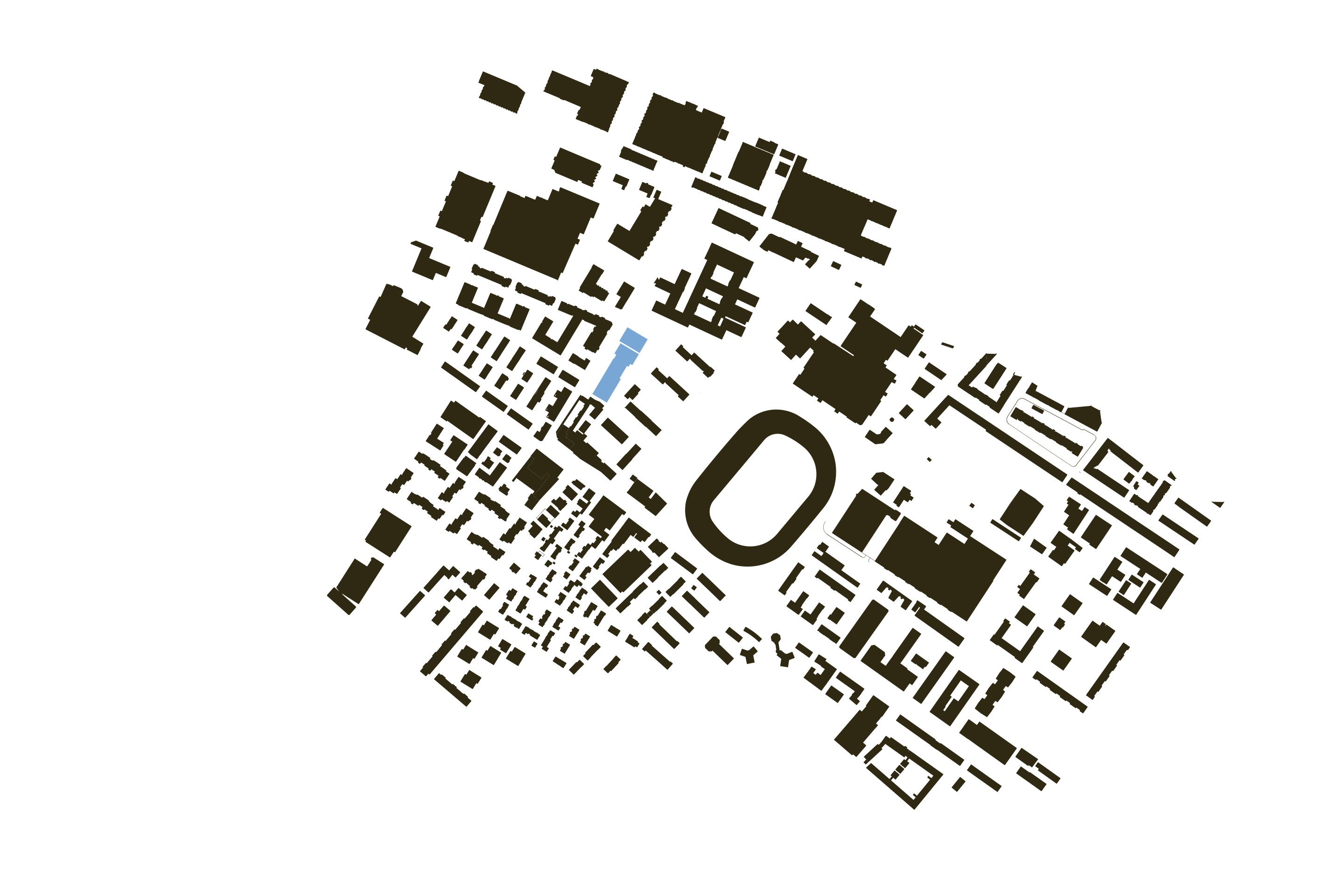
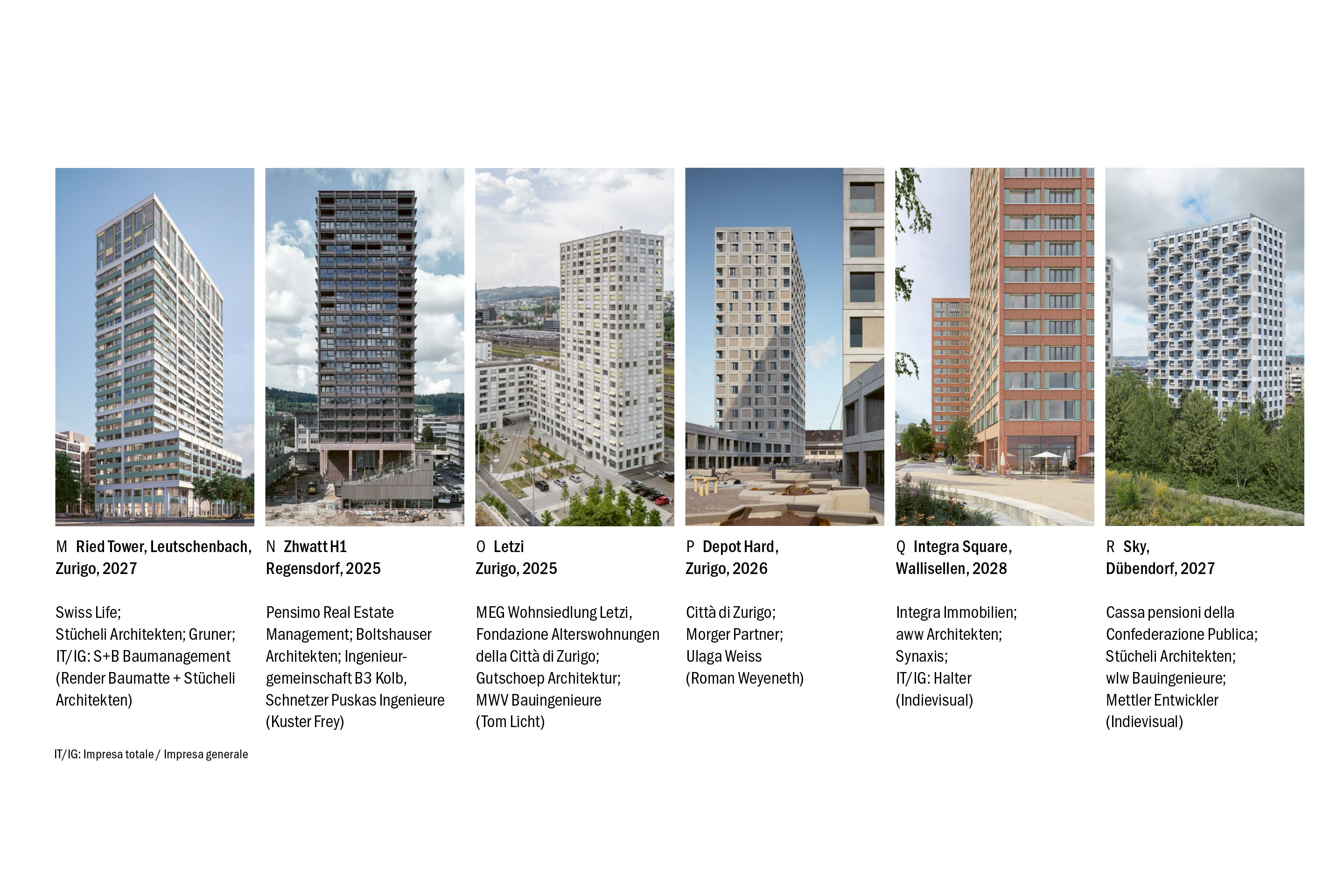
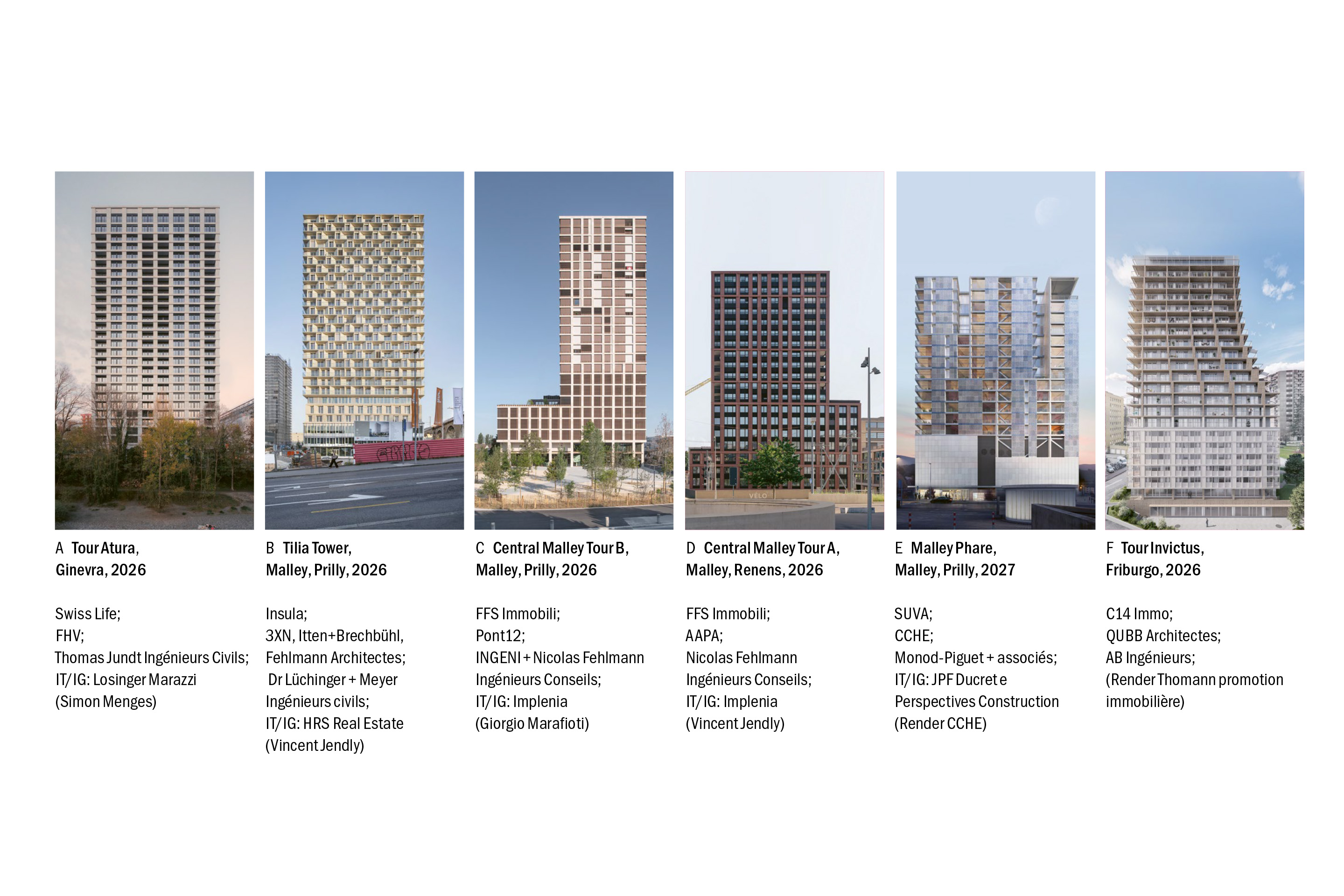
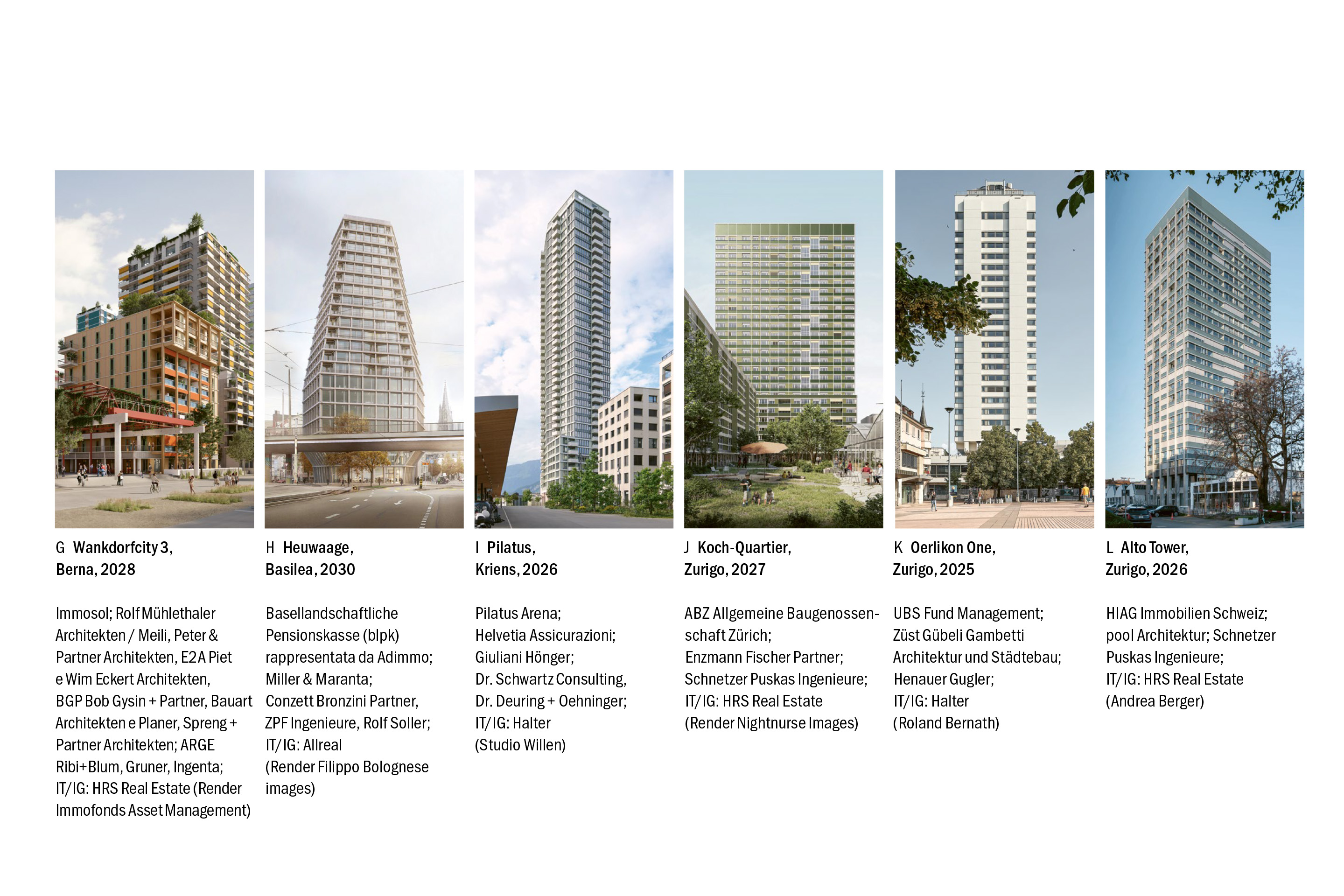
regions of Zurich, Geneva and Lausanne, in areas well served by public transport. Due to their scale and visibility, these buildings inevitably attract attention and fuel debate. They raise questions of social and ecological sustainability that cannot be answered in general terms. For this reason, we have compiled a comparative overview of towers completed or still under construction from 2025 onwards, comparing buildings, dimensions, programmes and contexts.
The buildings examined take the form of isolated towers, towers with podiums, or elements within larger urban ensembles. In most cases, the ground floor accommodates commercial functions, while public or collective spaces remain limited.
Today, the construction of residential towers is entering a new phase of strong development both in German-speaking and French-speaking Switzerland, while comparable projects are lacking in Ticino. The demographic trend in the canton – characterised by limited population growth and a prospect of progressive population decline – indicates less pressure on the housing market than in the Swiss Plateau.
From this perspective, contemporary Swiss towers certainly lack the presence of those in Dubai or New York. Here too, however, high-rise construction is an expression of a region’s economic potential.