

Pondero, ergo sum
The first issue of 2026, which opens the season of espazium quaderni, renews its commitment to the culture of design and construction. The key theme is the “weight” of building: a technical and ethical responsibility interpreted through engineering, between measurement, materials, durability, and beauty.
Testo in italiano al seguente link
This issue marks the launch of the espazium quaderni season. As we move into 2025, the transition from the final issue of Archi invites a broader reflection on our strategy and evolution as a publisher. A few opening lines are enough to restate our commitment to design: as the new subtitle makes clear, the journal explores the culture of design and construction. A culture that transcends disciplines, speaking the language of architecture, engineering, landscape, and planning, adapting its voice to each. This issue focuses on a theme both universal and tangible: he «weight» of construction, both figurative and real, observed through the lens of engineering. Building is an act of responsibility towards the community. This has never been more evident: every project impacts the planet’s resources, consuming matter, energy, and time, demanding measured decisions. The choice of materials, their quantity, and their durability are not secondary variables, but fundamental design tools. A conscious practice defines what is possible, sets limits, and guides the project towards a kind of Vitruvian beauty. Light or massive, suspended or firmly anchored to the ground, these structures speak of a dialogue between calculation, physical experience, and design intuition.
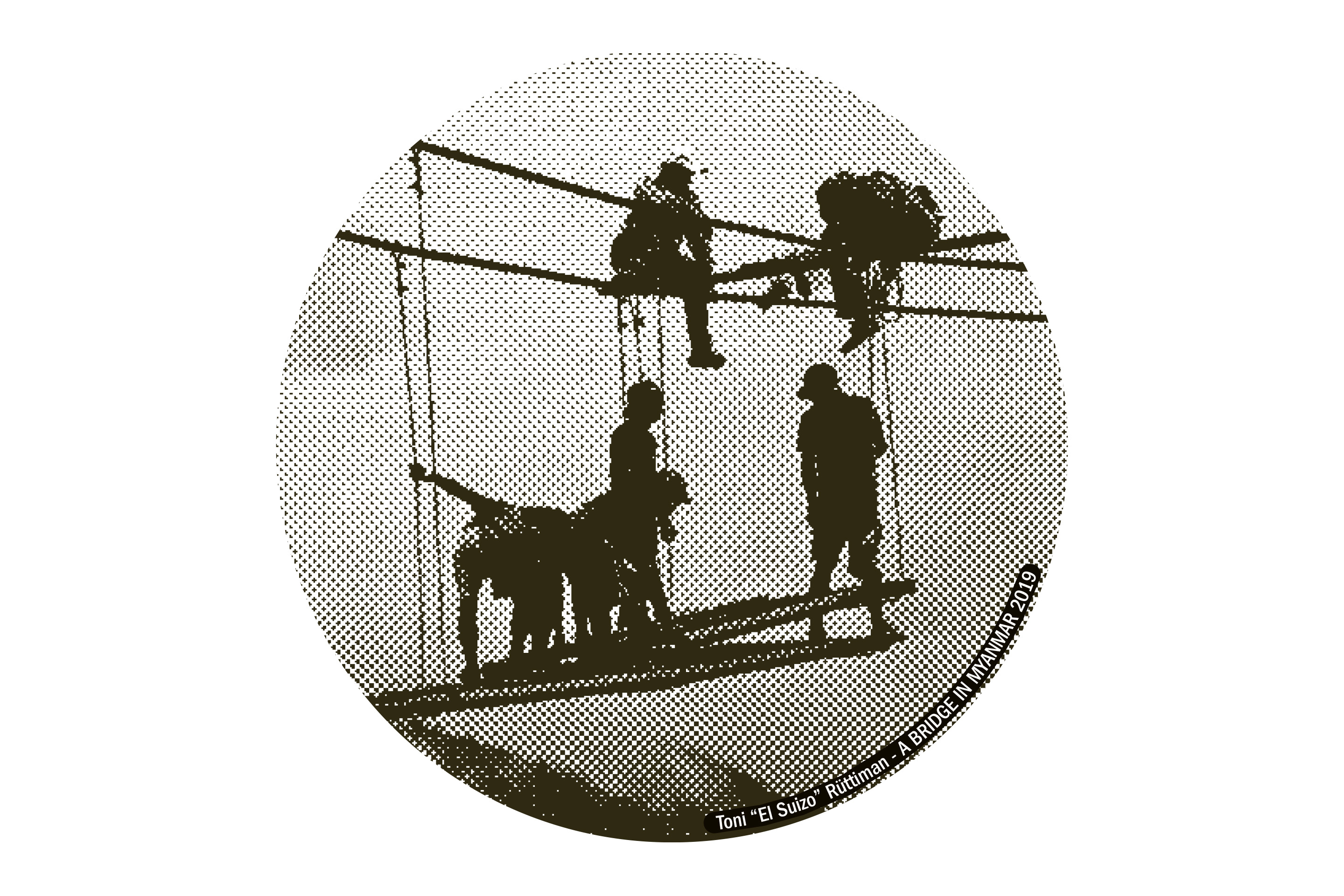
Structural engineering is a refined exercise in statics. This is proven by the many historical works that continue to challenge our understanding of «good building»: works in which measure, rigour, and economy of means produce qualities that are classical in their rationality and restraint, yet remains surprisingly free. It is a lesson born of mature engineering thought, able to treat technique as knowledge rather than a mere catalogue of automatic solutions. Today more than ever, this approach must be woven together with humanistic discourse, correcting a reductive view that entrusts the judgement of a project solely to numbers and standards. Contemporary engineering allows us to reduce thickness, refine geometries, and use materials with absolute precision: the project thus becomes a laboratory where function and durability are tested, and every technical choice takes on an ethical dimension, leaving a lasting mark on the space we inhabit. The pioneering work of Toni «El Suizo» Rüttimann offers an illuminating example: his suspended bridges, built with reclaimed materials and the direct involvement of local communities, show how construction and responsibility can coexist. The quality of the built environment arises from the meeting of what is needed, what lasts, and what can be transformed. The «weight» of construction is therefore a lens through which to observe the profession today: an invitation to reconcile technique, space, and responsibility.