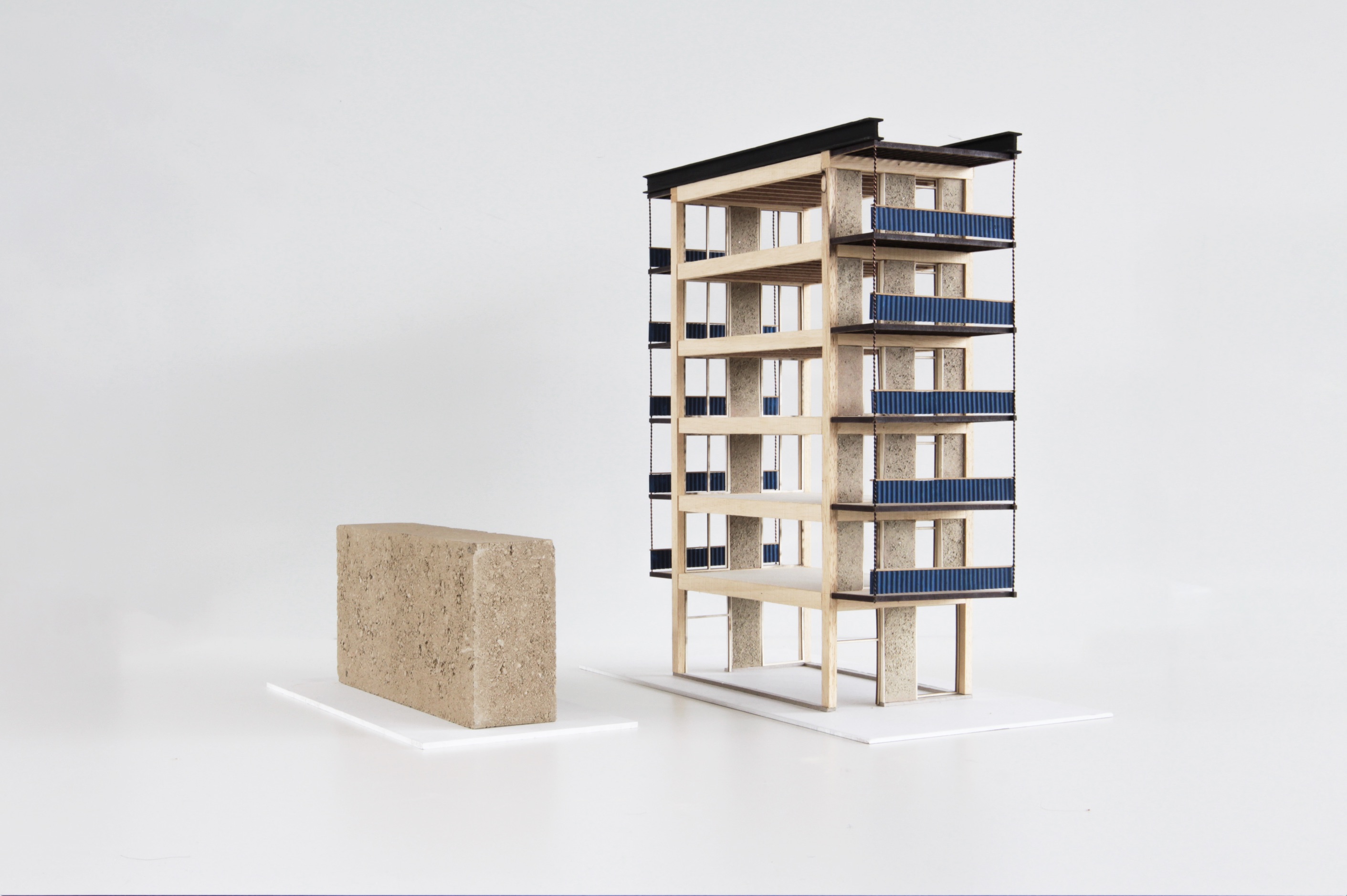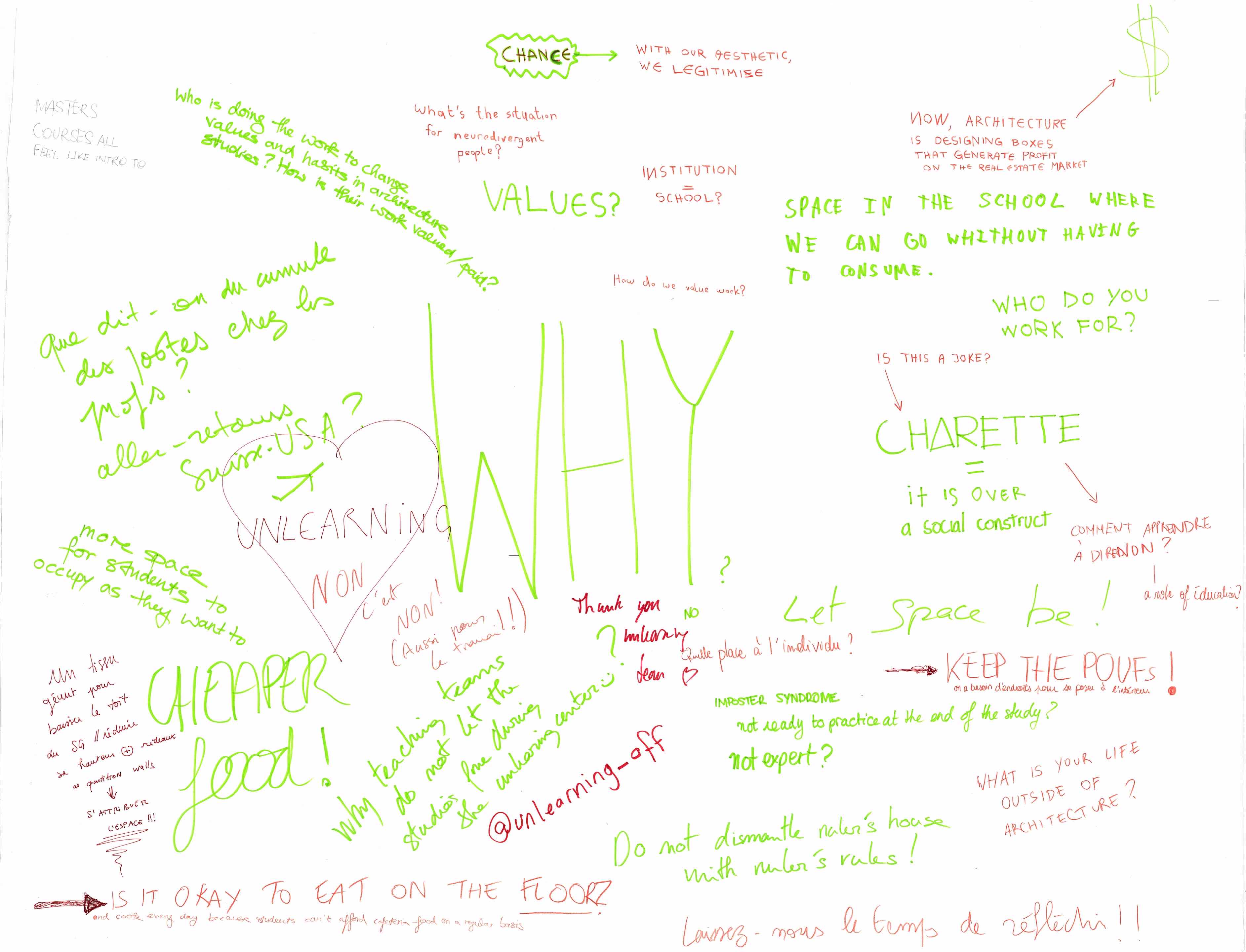
The new Institute for Sustainable Architecture and Technology (IAST) inaugurated at the Academy of Architecture in Mendrisio
The IAST, a new institute dedicated to sustainability, technology, and design, has been established at the Mendrisio Academy of Architecture. Directed by Ena Lloret-Fritschi, it integrates research, teaching, and practice, promoting an interdisciplinary approach that bridges construction, heritage, and innovation.
Testo in italiano al seguente link
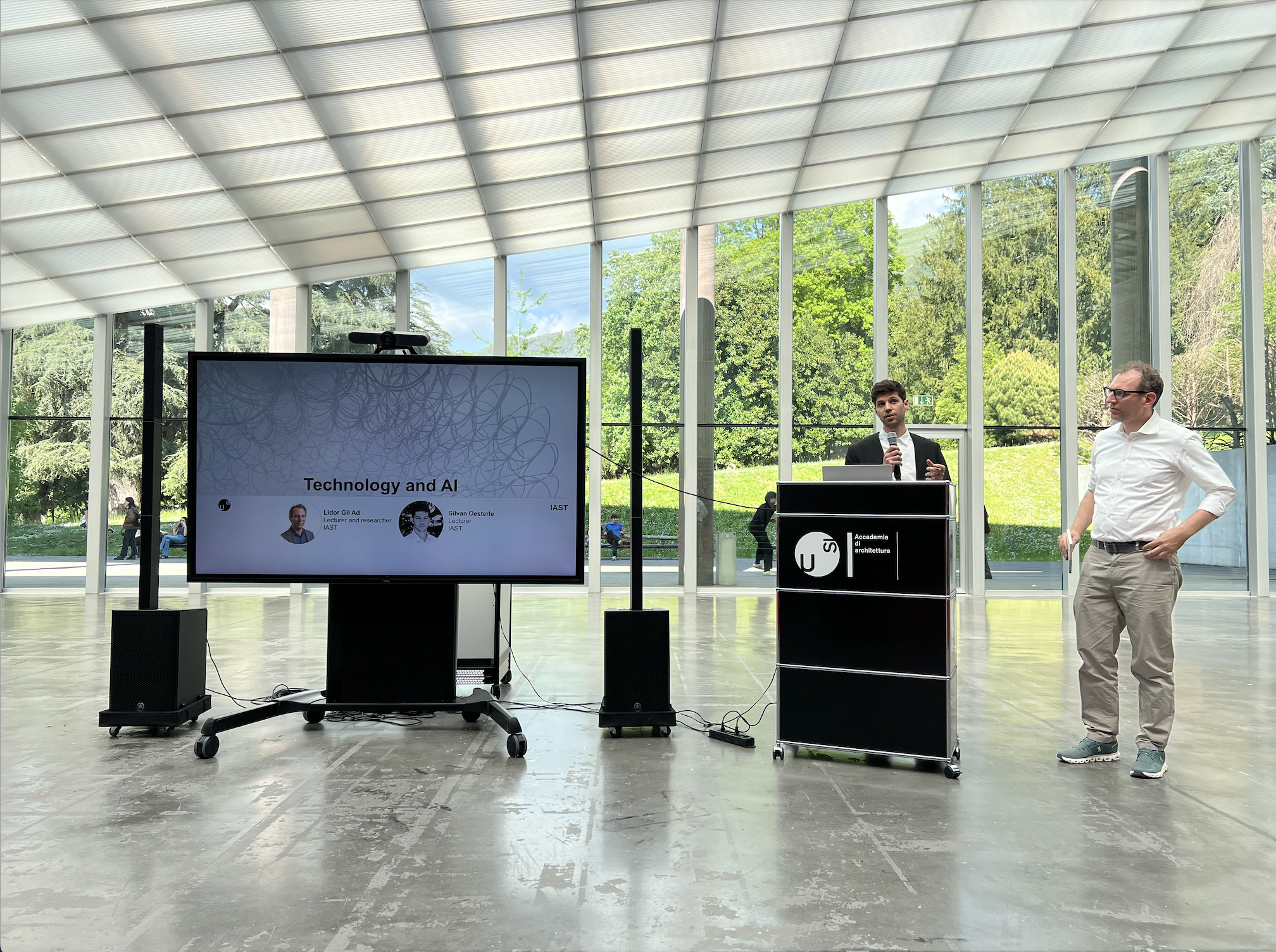
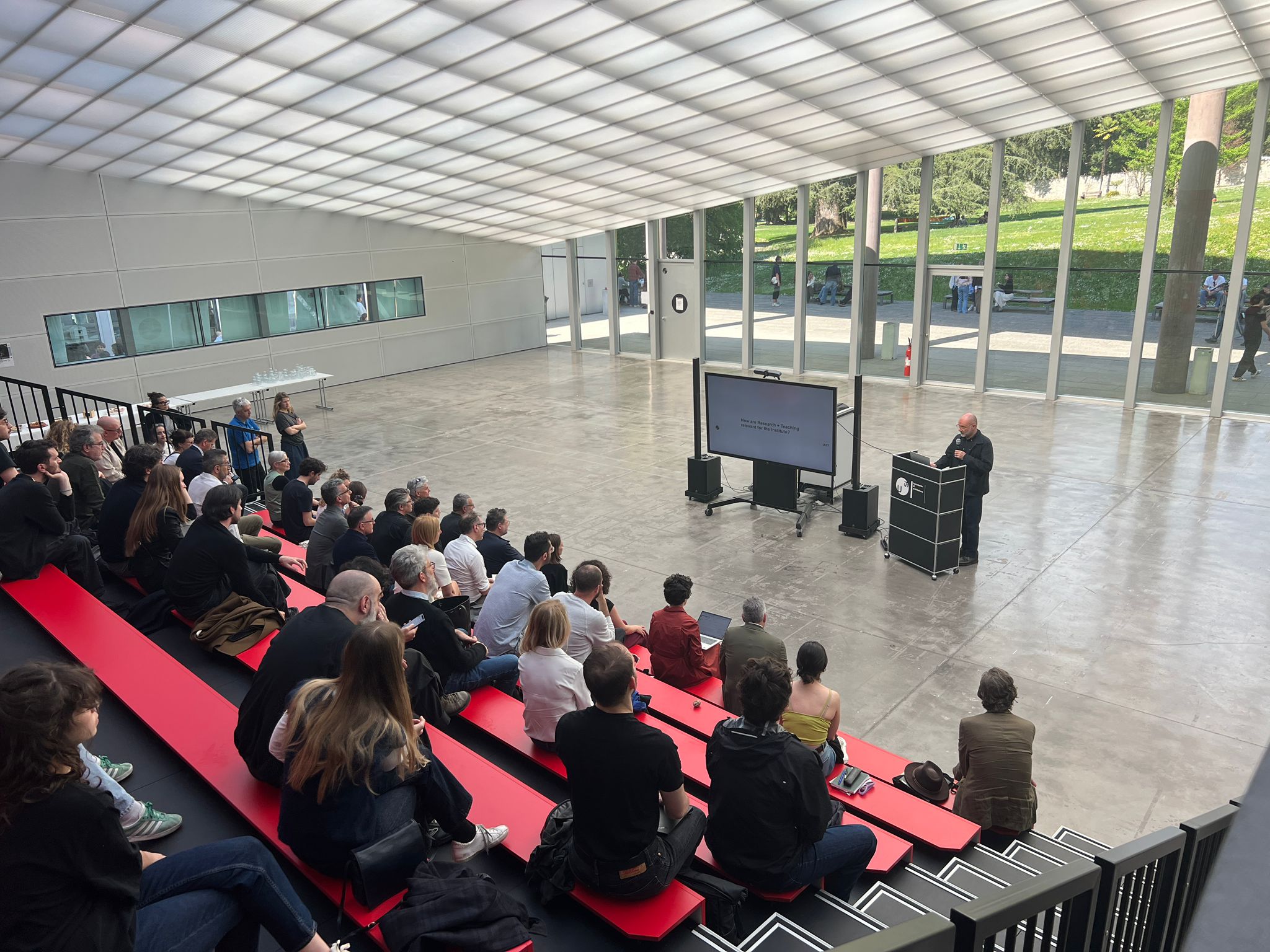
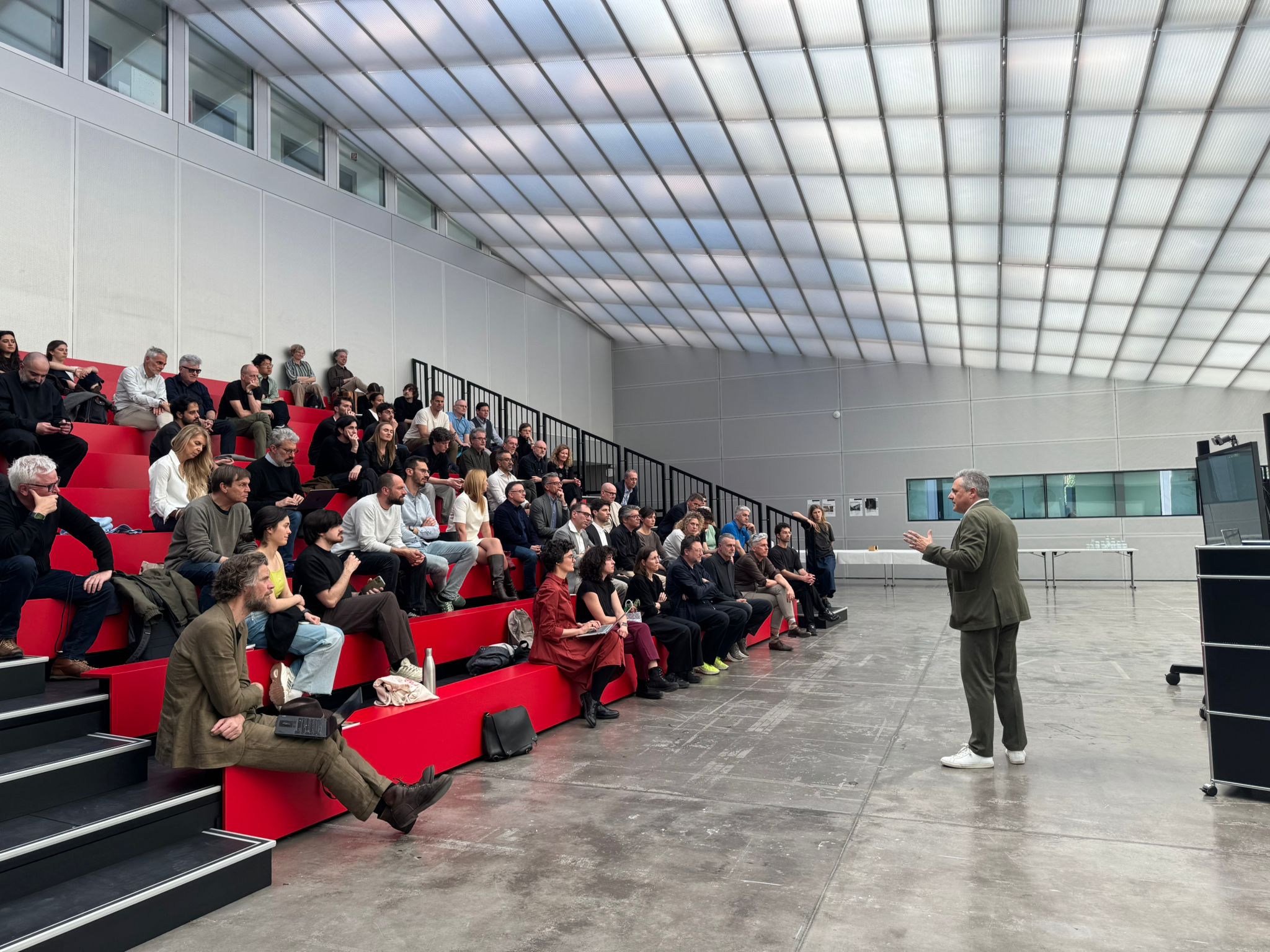
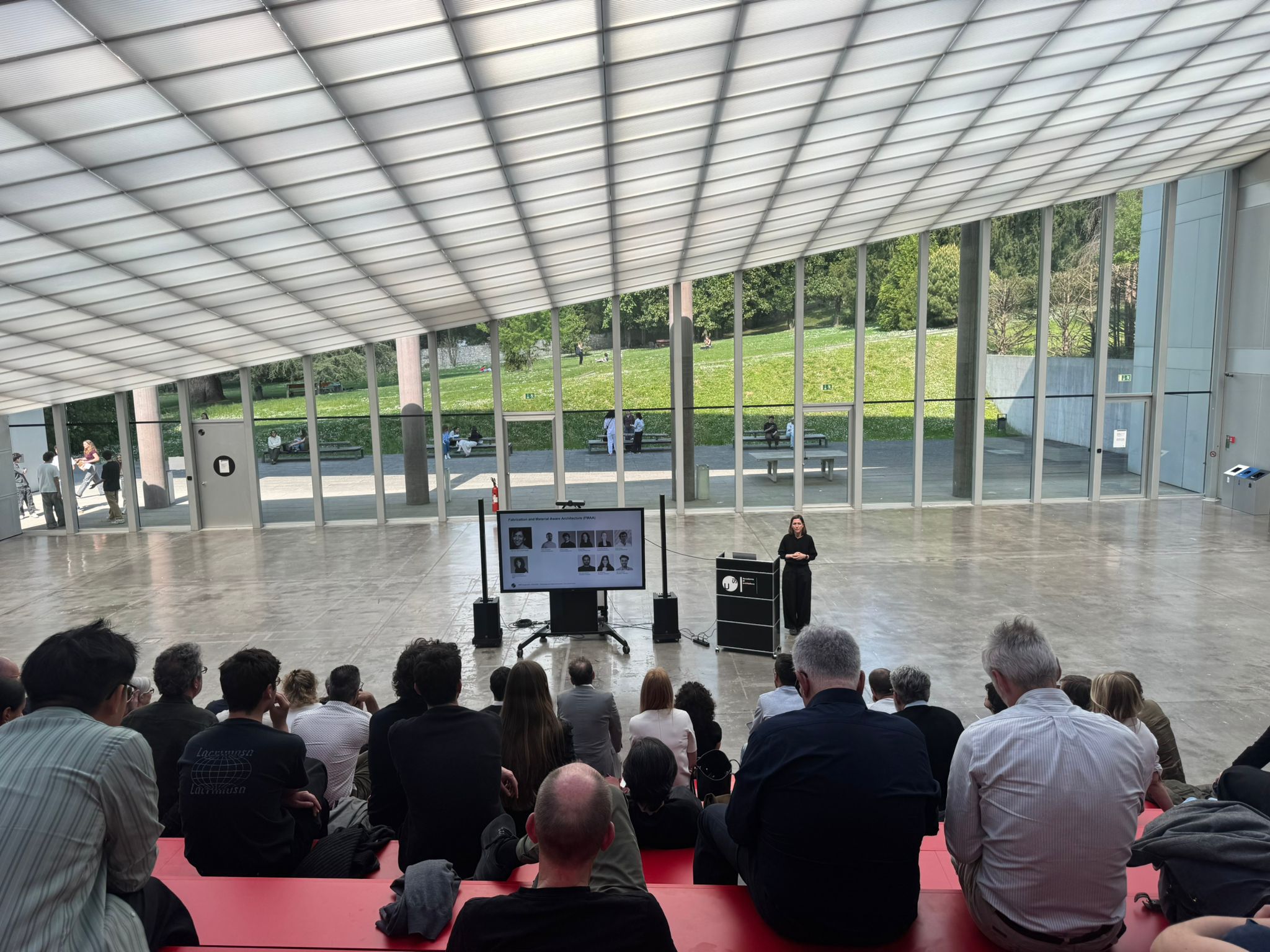
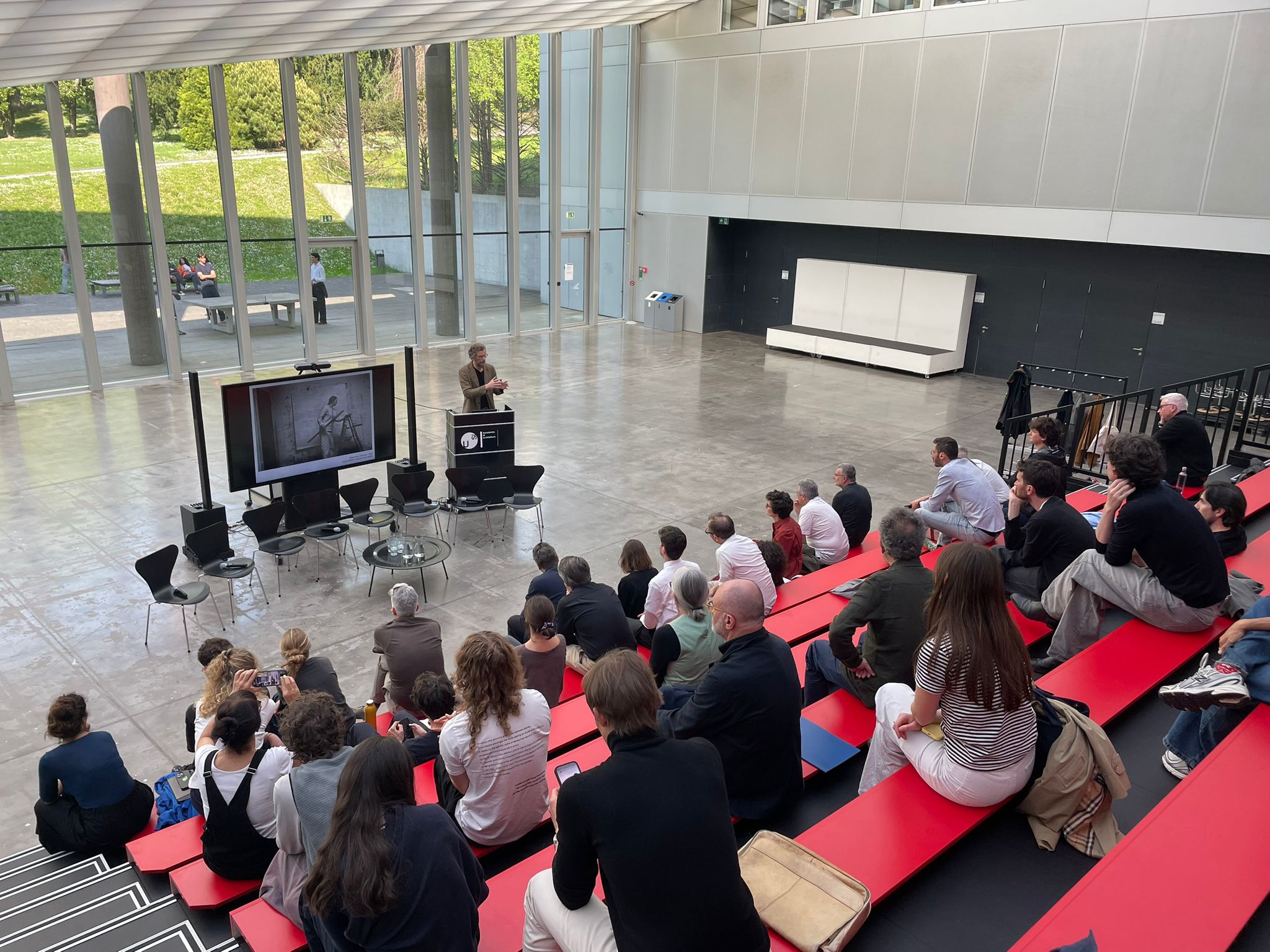
Last Thursday, April 16, the Institute for Sustainable Architecture and Technology (IAST), directed by Prof. Ena Lloret-Fritschi, was inaugurated at the Agorà Lio Galfetti of the Academy of Architecture in Mendrisio. The new institute joins the two already existing within the Academy — the Institute for the History and Theory of Art and Architecture (ISA), founded in 2011, and the Institute of Urban and Landscape Studies (ISUP), founded in 2018 — and is conceived as a framework for bringing together existing expertise within the Academy, while opening up new directions for research and teaching.
The steering committee reflects the Institute’s interdisciplinary character and the range of research strands it brings together. The director, Prof. Ena Lloret-Fritschi, together with her research group, investigates the use of digital technologies to optimize construction processes and reduce material use in buildings. The co-director, Prof. Muck Petzet, has long been engaged in sustainable architecture, promoting approaches grounded in the care and transformation of existing structures. The committee also includes Prof. Franz Graf, whose research and teaching focus on modern and contemporary construction systems and the conservation of twentieth-century heritage, and Prof. Mario Monotti, who has extensively explored the relationship between load-bearing structures and architecture in both new and existing buildings.
The Institute brings together professors, researcher-lecturers, scientific collaborators, postdoctoral researchers, and PhD candidates working on issues of sustainability and reuse, the conservation of built heritage, digital technologies, and structural systems. The Institute aims not only to foster integration across disciplines, but also to promote dialogue between teaching, research, and professional practice, operating at multiple levels. It engages with leading partners in the construction industry and extends beyond architecture into fields such as informatics, social sciences, and economics.
The Institute further includes external members from other faculties of USI, such as Piotr Krzysztof Didyk, Associate Professor at the Faculty of Informatics, and Jeanne Mengis, Full Professor of Organizational Communication at the Faculty of Communication Sciences. It also maintains close research collaborations with colleagues at other institutions, including Barbara Antonioli Mantegazzini, Full Professor of Public Economics and Sustainability Policies at SUPSI, and Christian Paglia, Director of the Institute of Materials and Constructions at SUPSI.
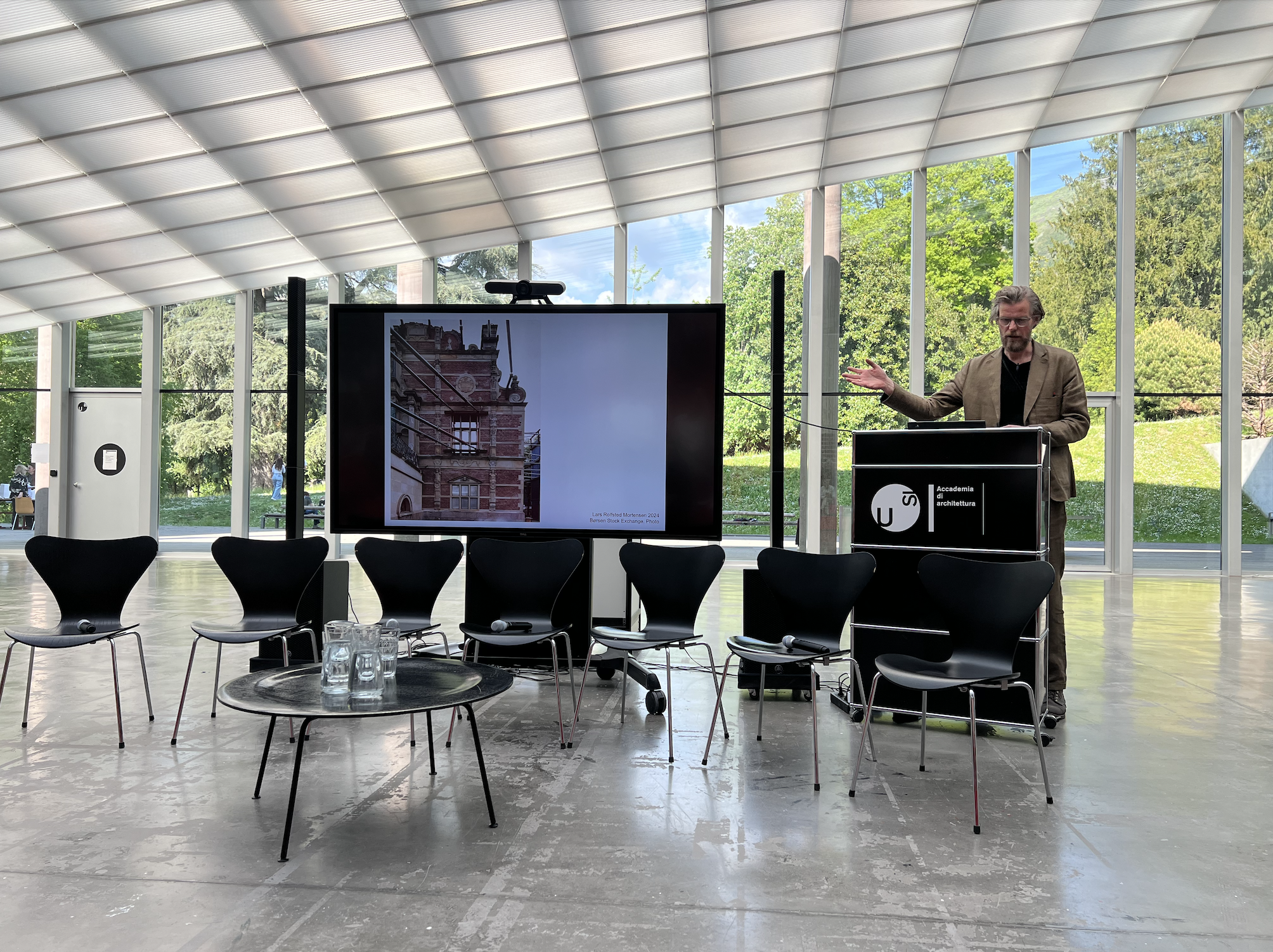
The perspectives and potential developments of the Institute were outlined during the inauguration by the keynote speaker Nicolai Bo Andersen, Director of the Centre for Sustainable Building Culture and coordinator of the master’s programme “Building Culture – Sustainability, Strategy and Transformation” at the Royal Danish Academy in Copenhagen. In his talk, he focused on the relationship between aesthetics, sustainability, and the conservation of the built environment, highlighting the need to respond to demands for equity and social justice while respecting the ecological limits of the planet.
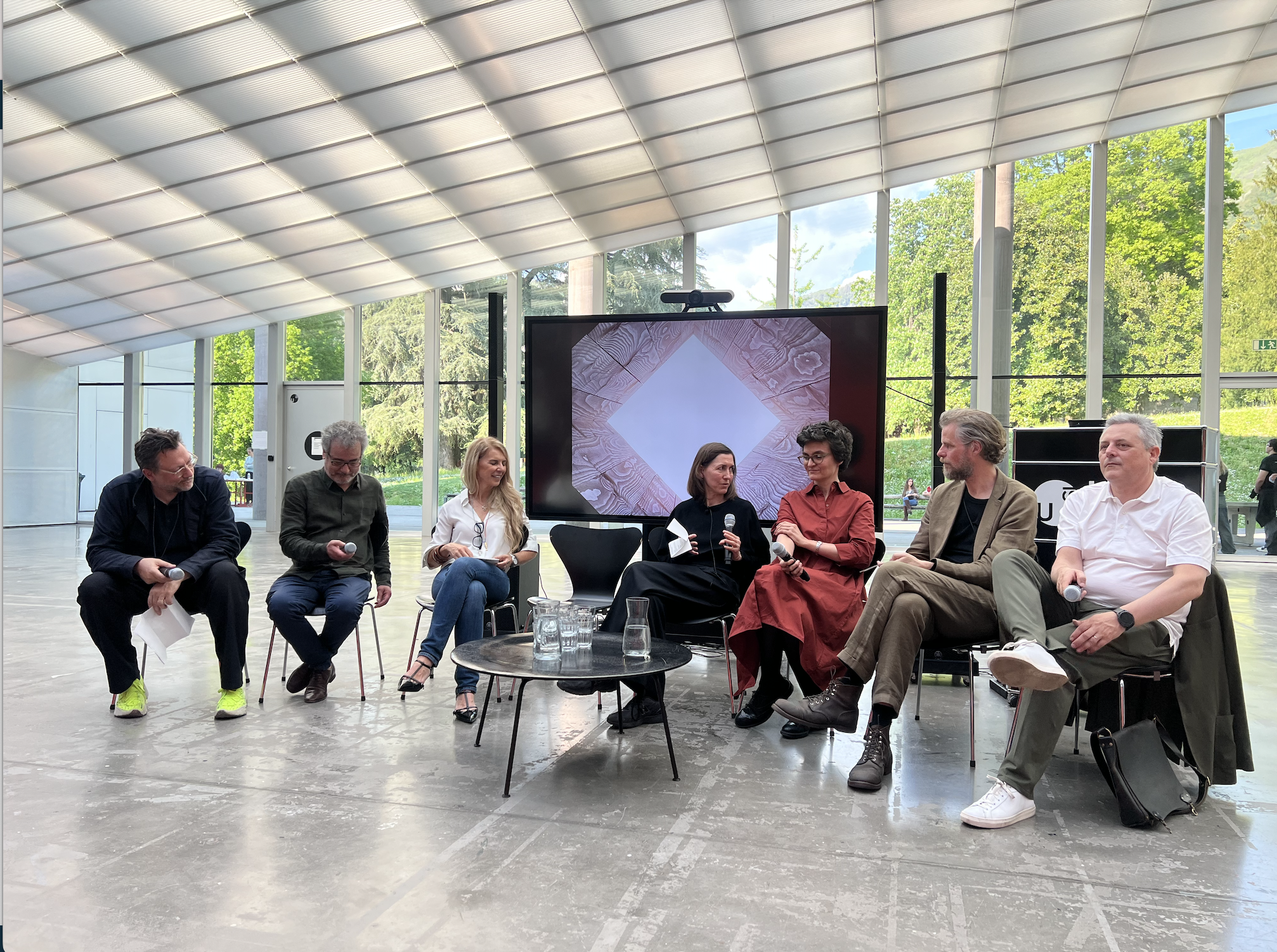
The inaugural event concluded with a discussion involving a plurality of voices, addressing the challenges, strategies, and research perspectives of the Institute. Among the planned activities are short- and medium-term programmes, such as winter and summer schools in collaboration with the Zurich University of Applied Sciences (ZHAW), as well as public talks, publications, and a conference on circularity and the construction in spring 2028.