SNBS – Application experiences in Ticino
Certify, Design, Compare
Testo in italiano al seguente link
The Standard Nachhaltiges Bauen Schweiz (SNBS), rather than functioning merely as a label, can be understood as a planning and design instrument. It should be emphasised that, while the themes it addresses are comparable to those tackled by other internationally recognised certification systems, and while its tripartite structure is firmly embedded in the established discourse on sustainability, the distinctive and particularly significant feature of SNBS lies in its strong alignment with the national context and with the corresponding regulatory framework across the various institutional tiers.
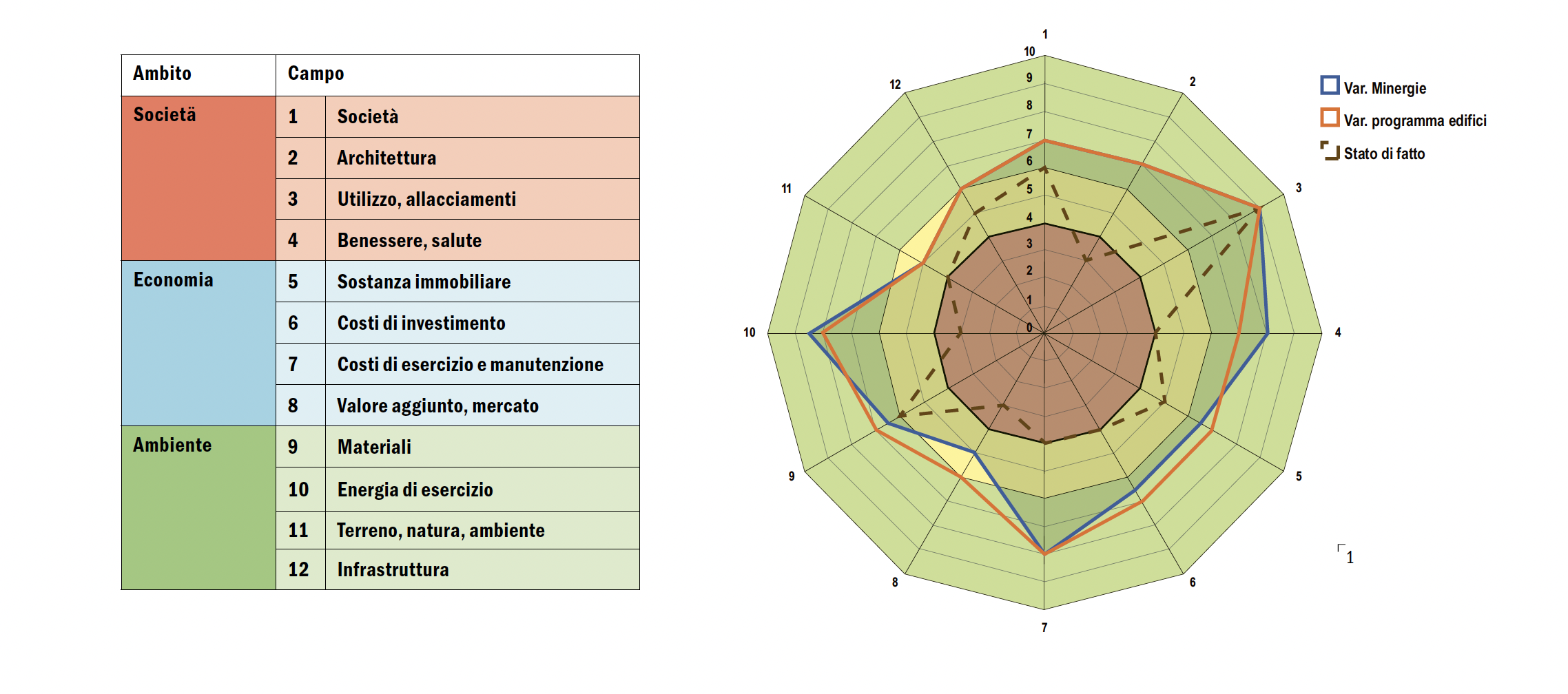
The manual can therefore serve as a practical checklist for designers and planners, enabling them to assess the relevant aspects of a project from a sustainability perspective, complete with regulatory references and a calibrated weighting of the different criteria. This makes it possible to evaluate a project, determine potential shortcomings, develop alternative solutions, or compare different proposals.
Over the years, the principles of SNBS have been applied on several occasions in Ticino, drawing on the catalogue of criteria and, where appropriate, selecting only those relevant to the specific context.
From a planning standpoint, one can cite the interest shown by the Cantonal Logistics Division, which, in managing the real estate assets of the Canton of Ticino, requires instruments capable of offering a comprehensive, 360° view of sustainability, placing particular emphasis on environmental performance, but also on life-cycle cost planning. The first application of the core SNBS principles (at a time when the manual did not yet exist in its current form) dates back to 2016, in the comparison of alternative schemes for the development of the Rivera–Monte Ceneri area, which now accommodates the Civil Protection Training Centre. One may also recall the comparative assessment between refurbishment and new construction for the schools in Lodrino.
Although not always explicitly referenced, the core principles of SNBS are now regularly incorporated into competition briefs for architectural tenders and into project evaluation procedures; the role of the sustainability consultant is increasingly required within design teams and is represented on competition juries.
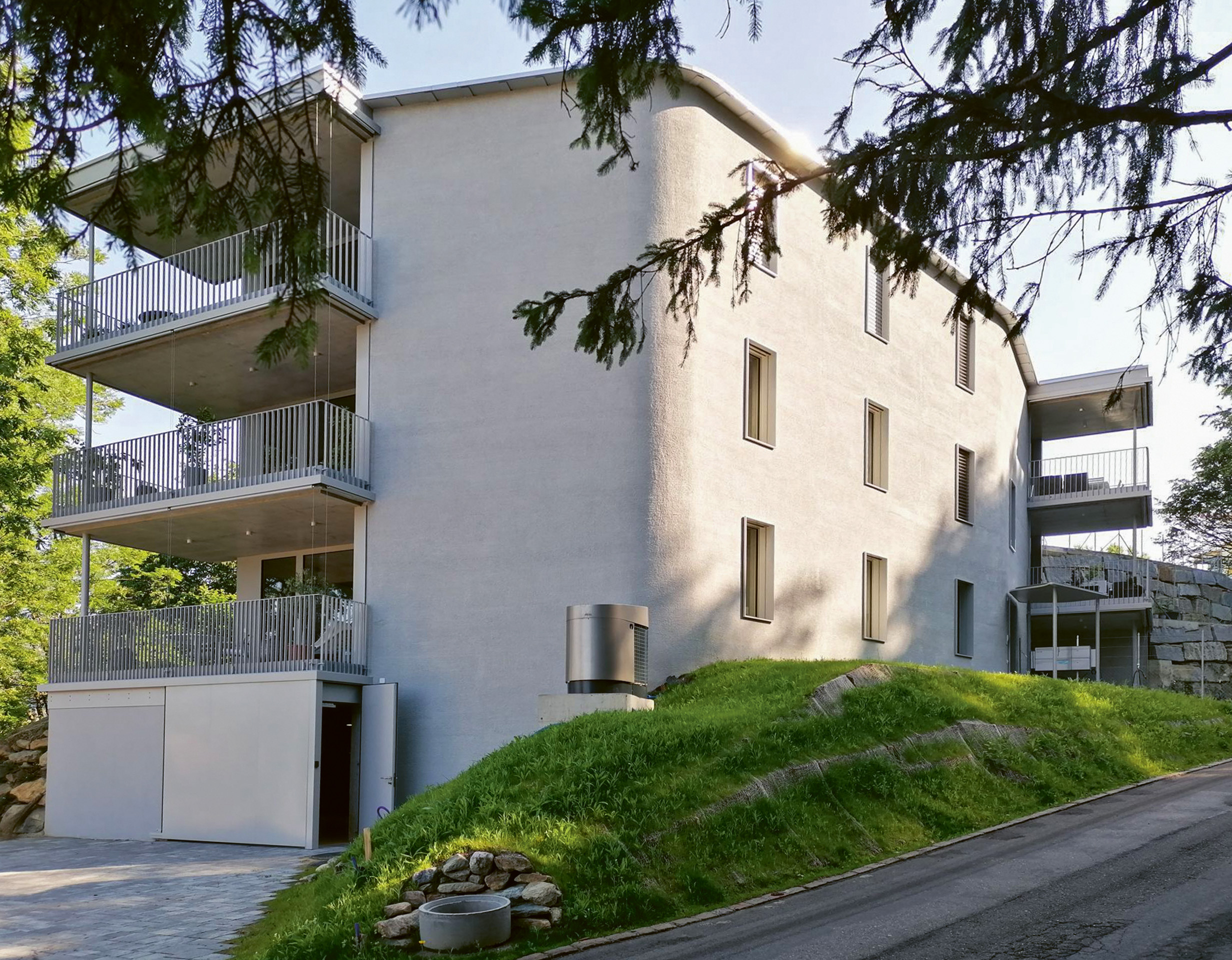
While the instrument undoubtedly generates interest, the willingness to pursue certification remains relatively limited: in Ticino, those with such recognition can still be counted on the fingers of one hand. The reasons are manifold. On the one hand, limited awareness among designers and clients, combined with the absence of an incentive framework, reduces the attractiveness of the standard; on the other, the certification target is ambitious, and the process is neither straightforward nor free of obstacles. It must be made clear from the outset – particularly to prospective clients – that context plays a decisive role: if the plot intended for development lies within an area that fails to meet certain parameters, certification is simply unattainable.
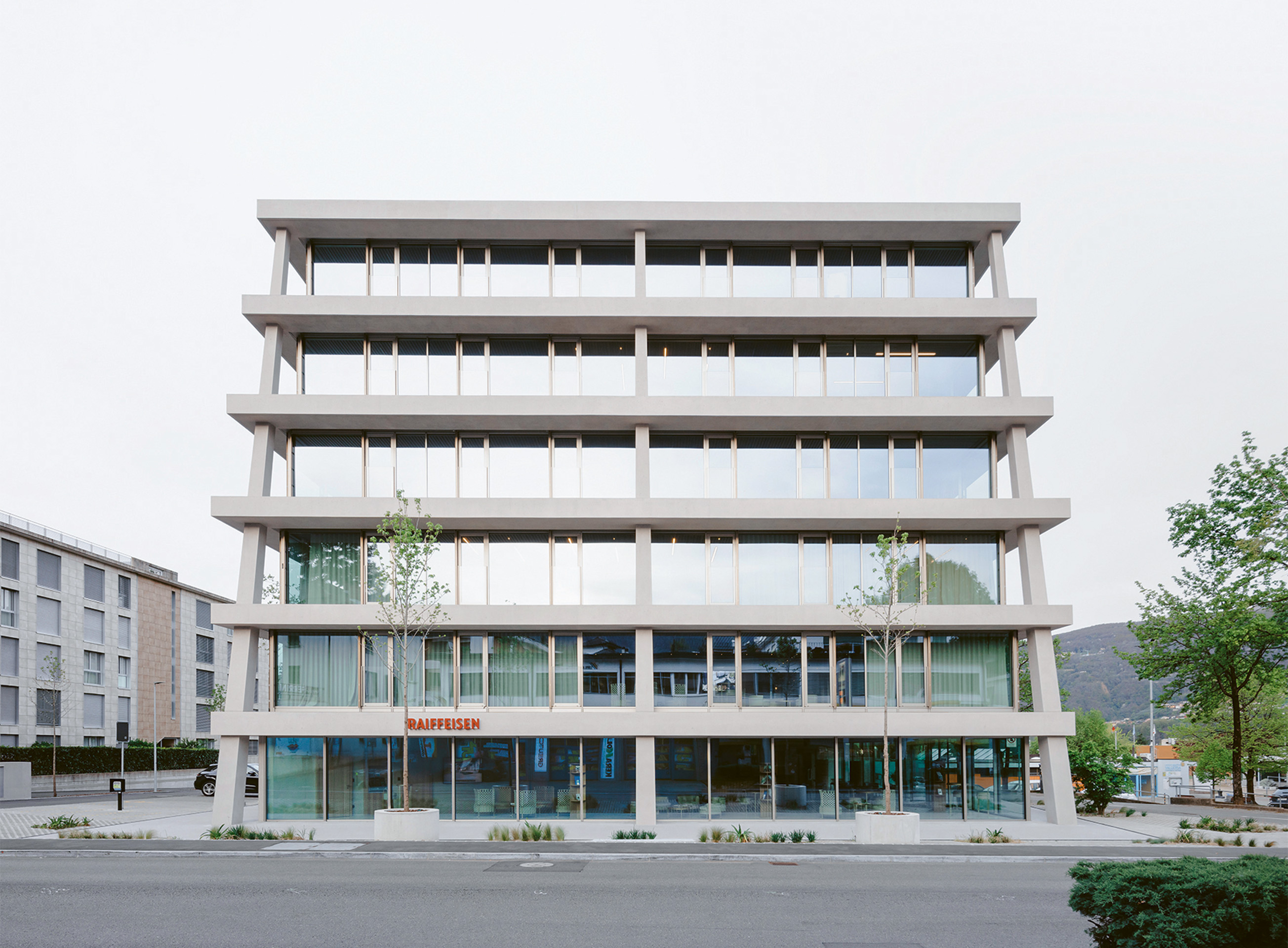
Functional mix, land consumption, services, and integration within the urban fabric are only some of the issues that must be addressed as early as the preliminary study phase in order to determine whether certification is feasible. Once this initial assessment has been passed, the next crucial step is to ascertain whether contextual shortcomings can be mitigated, for instance, by introducing additional functions into the project, increasing green space, or providing further services accessible to third parties. In this respect, small-scale projects face a considerable challenge, as clearly demonstrated by the experience gathered from certified buildings in Ticino. Larger interventions, such as mixed-use complexes integrating housing, retail, and services, are naturally advantaged, as they broaden the range of stakeholders and increase the capacity to allocate space and resources to semi-public solutions. This substantially rewards the social dimension of sustainability, and thus the positive externalities that a building intervention can generate for its territory, which are fundamental to the standard.
Within the SNBS criteria, the building’s life cycle assumes a central role, partly drawing on and further extending requirements already set out in Minergie-Eco. The assessment does not focus solely on strictly energy-related and environmental aspects, but also encompasses economic considerations. Alongside the evaluation of embodied energy, construction-phase emissions, and the potential for future adaptability, the efficiency of the project in terms of costs over the entire life cycle, from construction through to end-of-life, is also analysed. The required considerations include the ease of routine and extraordinary maintenance, the capacity to adapt the building to changing future needs – such as a shift in use or reconfiguration of units – and the ease of dismantling. Completing the picture is the appraisal of the economic sustainability of the investment, beginning with the building’s market attractiveness, construction costs, and its economic impact on the territory, including the allocation of contracts to local firms.
It becomes evident that, beyond the conventional design effort driven by the client’s immediate requirements, a broader set of evaluations must be integrated into the design process, aimed at safeguarding the project’s long-term viability. At the core of these considerations lies the very meaning of sustainability: buildings erected today will, one hopes, remain in existence for many decades and must demonstrate the resilience necessary to confront the world around them, adapting to market demands and unforeseen developments. Should rehabilitation or reuse no longer be possible, the building ought to be dismantled with relative ease, allowing materials and components to be recovered and valorised.
If, on the one hand, the adoption of SNBS for individual buildings is underway, also thanks to certain actors managing sizeable property portfolios, the future presents challenges of broader scope. The next step concerns neighbourhood-scale planning, through SNBS-Neighbourhood. In Ticino, assessments regarding its potential adoption have already been carried out for the former Officine area in Bellinzona, although at that time the framework was still in draft form.
A further field of expansion for SNBS lies in infrastructure projects, which align fully with its underlying themes, given their substantial impact and long life expectancy. In this context, the direction of present-day decisions entails long-term positive or negative repercussions, with limited opportunity for corrective measures once implemented. Although attention to sustainability and life-cycle costs is already present within the infrastructure sector, a more systematic rationalisation and balancing of interests is required: the establishment of a standard provides a structured framework for comparing alternatives or optimising solutions, as well as for developing a comprehensive overview of the relevant issues. A pilot study on the application of the standard to infrastructure is currently underway in Ticino; the case study is the Moscia tunnel project, in which the evaluation of SNBS criteria runs parallel to a conventional design process, being introduced «midstream» in order to assess the state of the project, identify potential improvements and, above all, determine what impact the adoption of the standard might have had had it been implemented from the conceptual phase onward.