Responsible Architecture for a Community Bank
Testo in italiano al seguente link
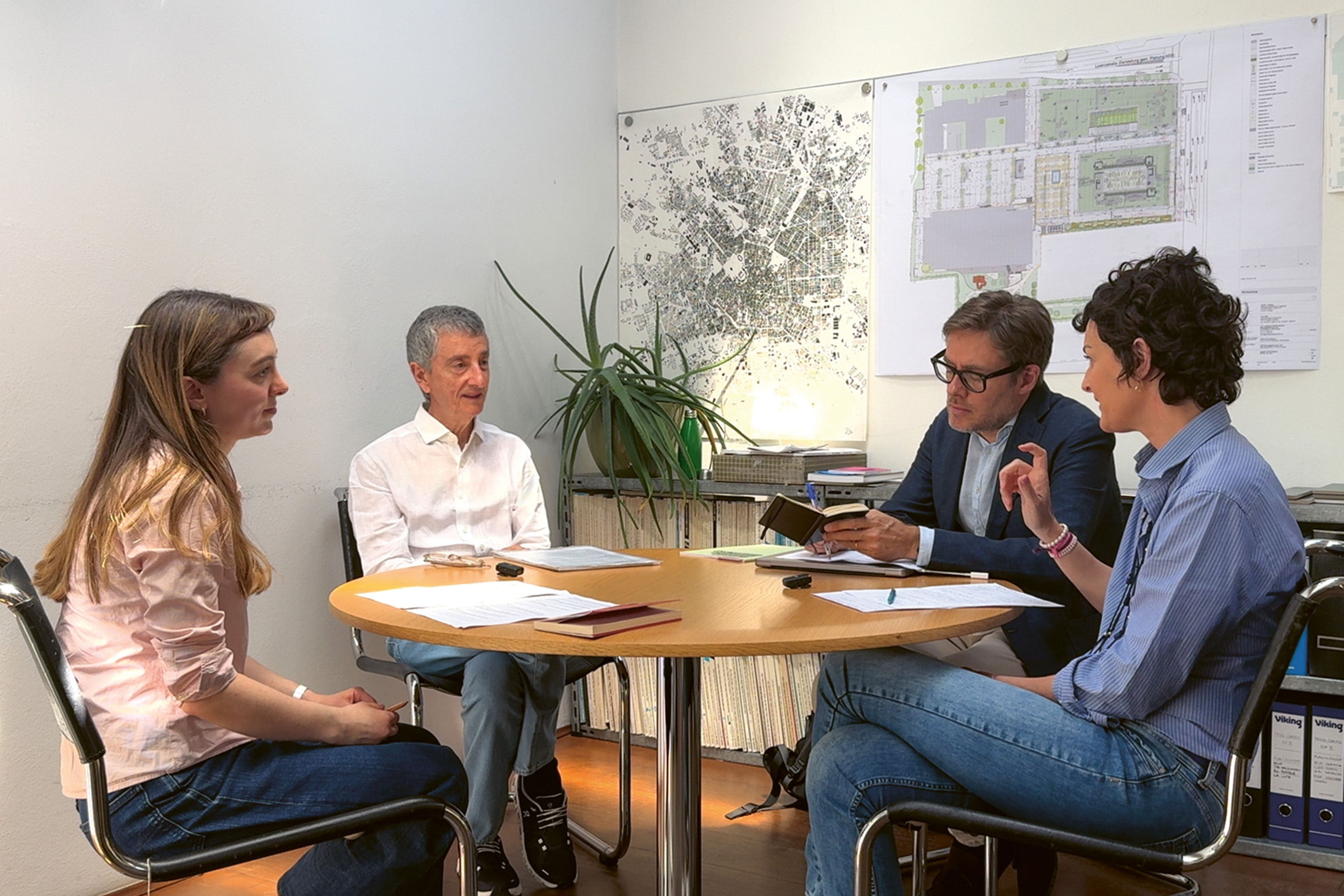
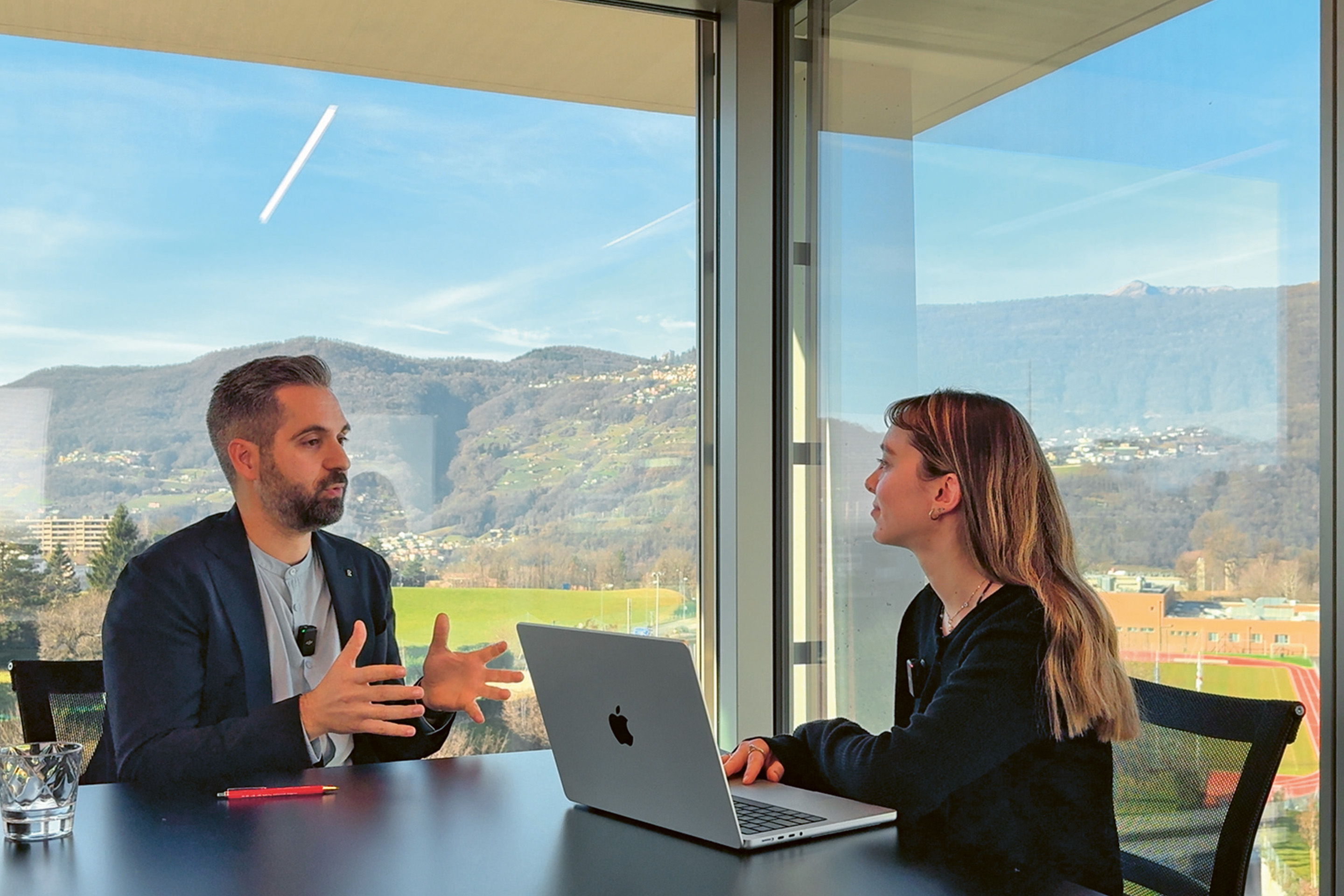
Founded in Switzerland in 1899, Raiffeisen is a cooperative banking group comprising 212 independent banks spread across the Swiss territory. With 768 branches and over 12 000 employees, Raiffeisen is the second largest banking group in Switzerland. The headquarters of Raiffeisen Switzerland for Italian-speaking Switzerland are located in Savosa, where we meet Antonino Accardo, Head of Construction for Raiffeisen Switzerland in the Italian-speaking region.
At first glance, Accardo may seem an unusual figure in the corporate landscape, and this is where the conversation begins: what role does an architect have within a banking structure?
Shared responsibility
Raiffeisen’s considerable architectural heritage is spread throughout the country, with 90 % of the population able to reach a branch in under ten minutes. These figures describe a geography of proximity that represents a distinctive value: inhabiting urban space with a density capable of maintaining a direct relationship with local communities. Managing such a large number of buildings requires specific skills and an awareness of the responsibility involved.
Although capital has now been dematerialised into digital transactions, the importance of physical presence remains unchanged. In fact, it is perhaps even more important: precisely because much of our lives now take place in digital and immaterial dimensions, physical spaces that accompany everyday life play an even more decisive role in the urban environment for those who live there. For Raiffeisen, places matter, and people inhabit territories with cultural, linguistic, and morphological specificities that deserve individual attention.
From the iconography of solidity to the grammar of accessibility
To understand Raiffeisen’s contemporary approach, Accardo rightly points out that we need to consider how the relationship between banks and architecture has changed over time. Historically, banking institutions have recognised architecture as a tool for public legitimisation: the identity of the institution was built through iconography: symbols, noble materials, classical references that communicated solidity and prestige.1 Architecture produced trust through monumentality.
This logic persists today, with banks continuing to reflect their principles in architecture, but as needs have changed, architecture has also undergone a radical transformation. In the mid-twentieth century, many institutions began to move from a «closed» language, characterised by protection and opacity, to a progressively more «open» one, oriented towards hospitality and transparency.2 This change reflected a deeper metamorphosis: money ceased to be a physical substance to be safeguarded and became an entity in motion, an investment, a relationship.
The way in which trust is built architecturally has changed: spatial transparency has become the new language of reliability,3 linked as much to the fairness of the service as to its proximity to people. As Accardo observes, architecture acts as a bridge between intangible services and the material space that makes them perceptible.
For Raiffeisen, this transition from fortress to welcoming place also marks a return to its origins as an agricultural bank. It is no coincidence that the first branches were set up in private living rooms: the domestic dimension and hospitality are part of the cooperative’s DNA. It is worth remembering that the term bank itself derives etymologically from the bench on which the first medieval money changers carried out their activities:4 a piece of furniture that, even before the building, evokes the idea of accessibility and proximity.
Accardo sees this transformation as an opportunity to redefine the role that administrative architecture can play in contemporary society. Banks, like other ordinary places, remain spaces that are visited daily and, as part of the city, contribute to structuring the urban experience. Recognising this public dimension, even when the property is privately owned, opens up significant design possibilities.
The territory as a generative principle
Raiffeisen deliberately chose not to follow the path of architectural standardisation. This would have been the easiest option: creating a replicable, recognisable prototype that could serve as a symbol. However, the group opted to adapt its spaces to local cultures, embracing the complexity that this choice entails.
Accardo describes this territoriality as a fundamental value reflected in the group’s architectural culture. Respect for the «genius loci», the spirit of a place identified by Christian Norberg-Schulz as the purpose of architecture, becomes a concrete generative principle. A building in the centre of Zurich will have a different language, spaces, and materials to one built in an Alpine valley. The principle remains unchanged: the pursuit of spatial quality. Its formal manifestation, however, adapts.
This approach demands expertise that cannot be delegated to individuals lacking design and architectural training. By employing architects within its own structure, Raiffeisen recognises that every building requires a specific design response, which necessitates architectural thinking that can span all phases, from strategic conception to implementation.
Ligornetto: A Project for the Community
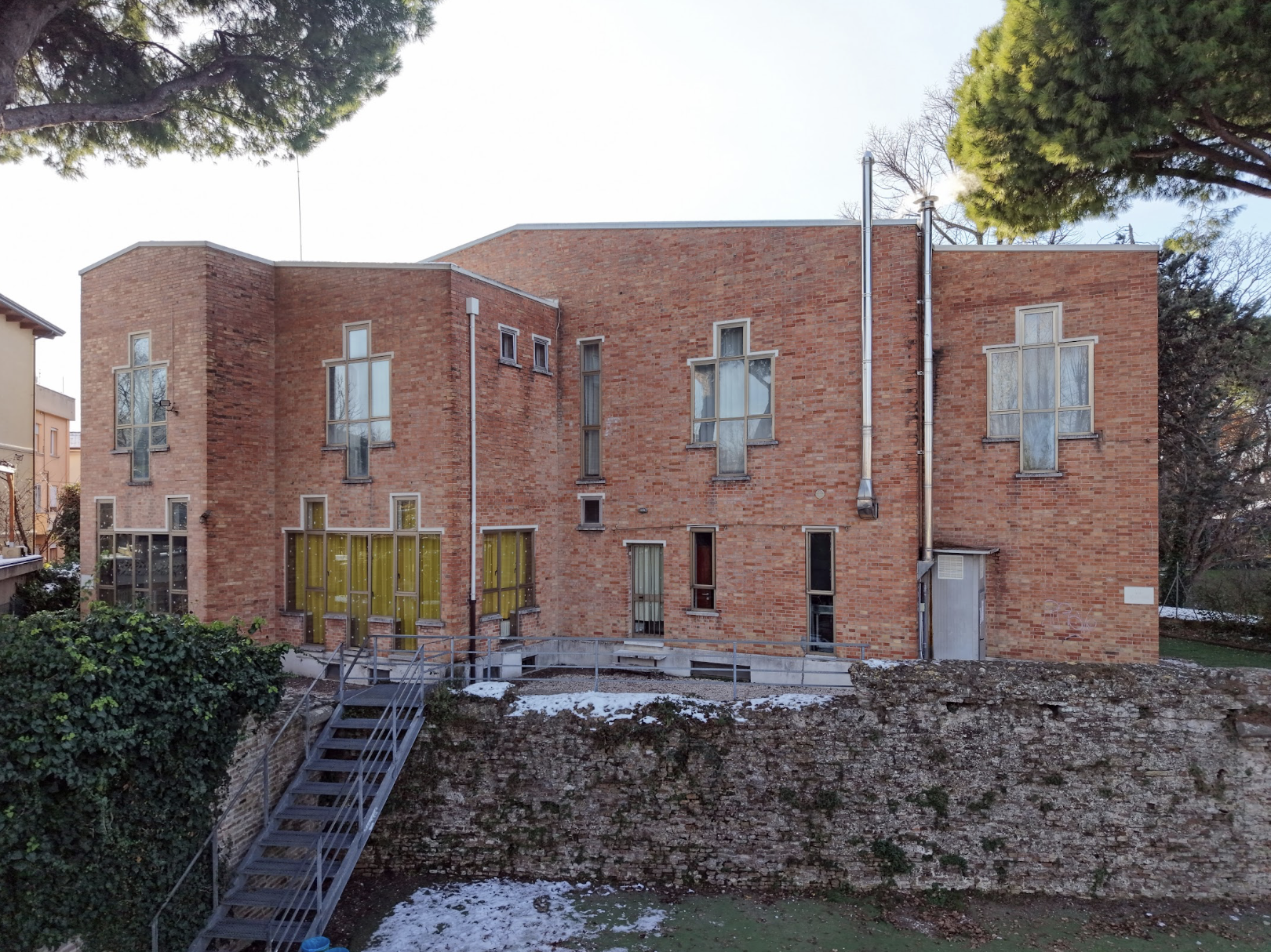
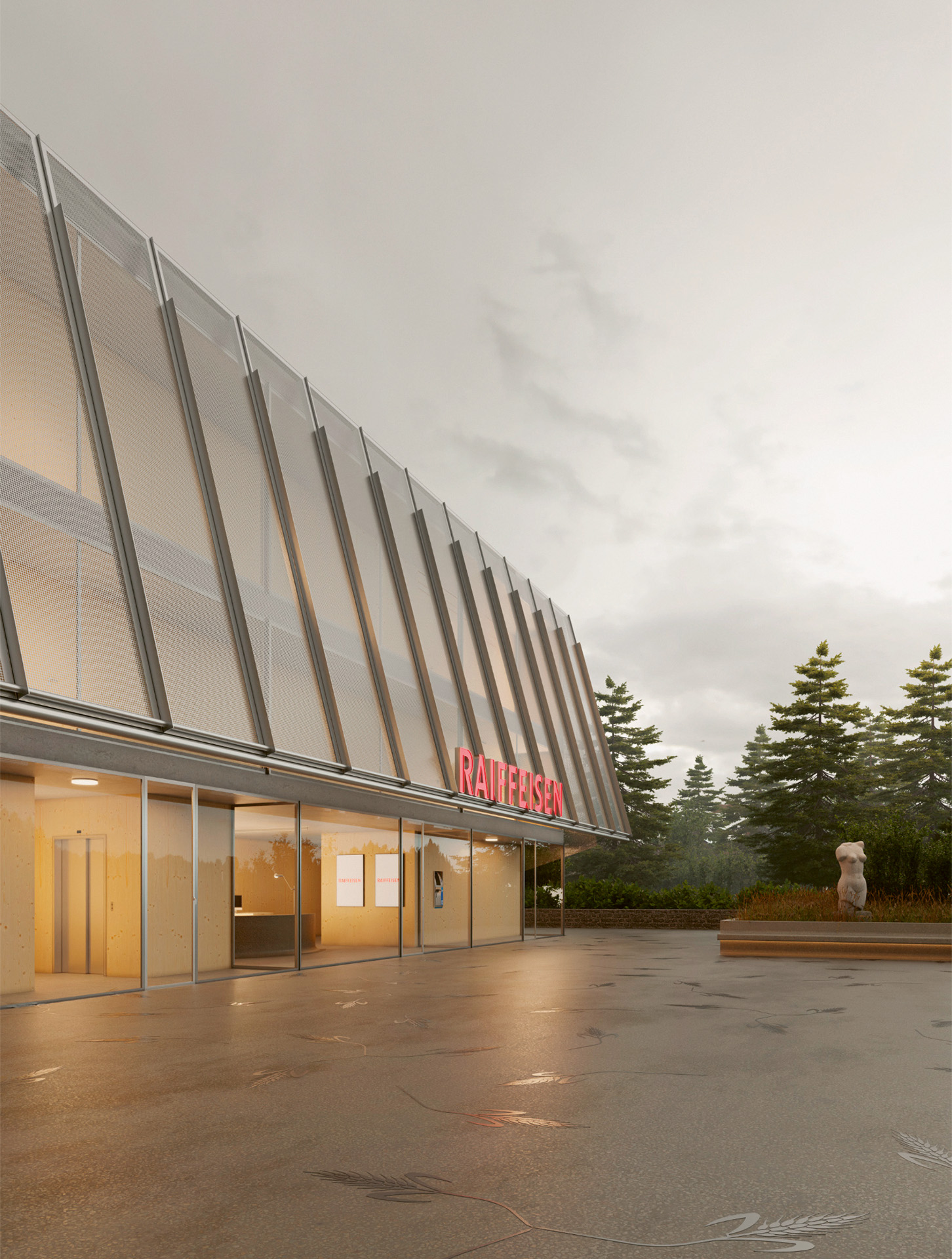
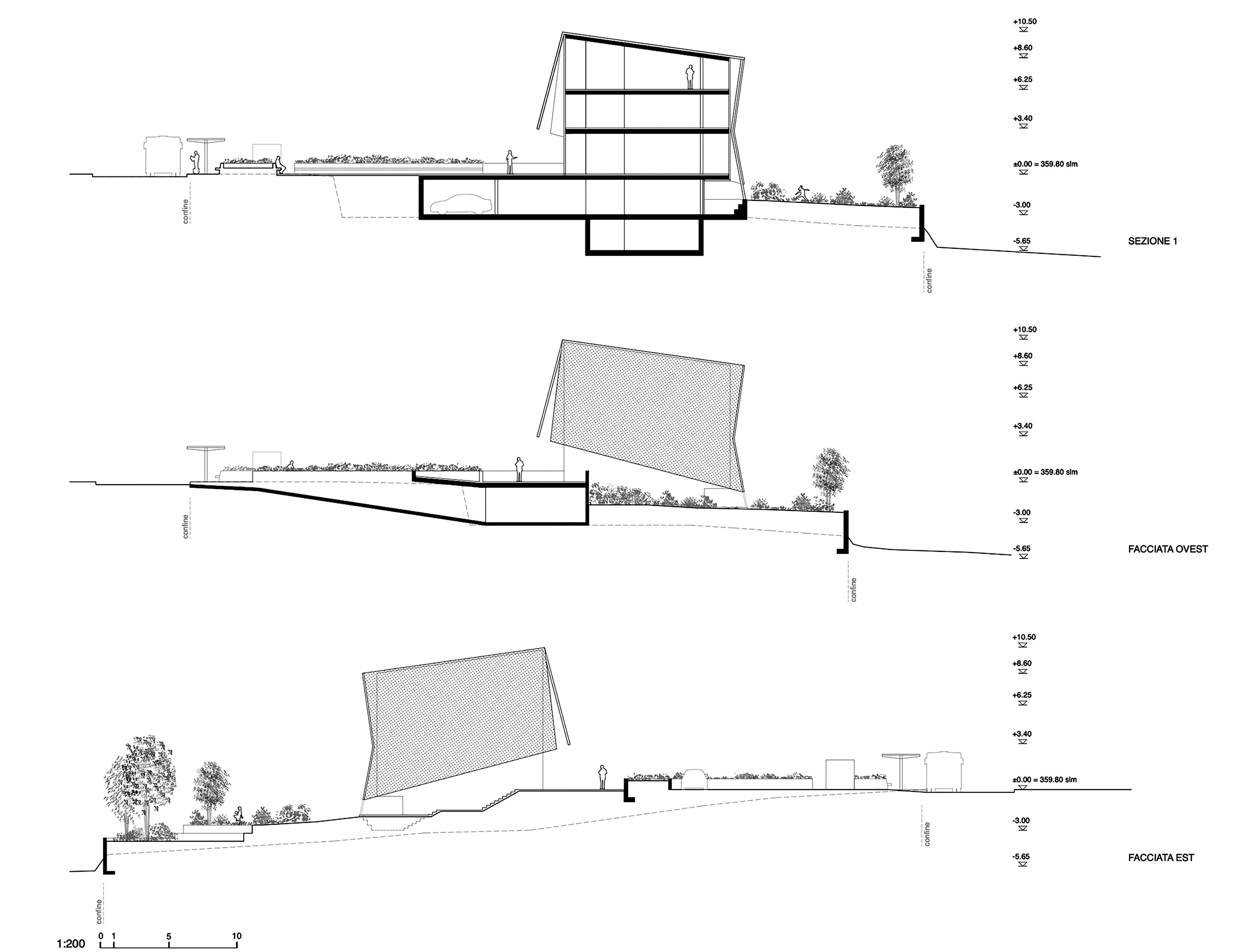
These principles took concrete form in the 2023 competition for the new Banca Raiffeisen Mendrisio e Valle di Muggio headquarters in Ligornetto. The competition called for the renovation and expansion of the existing building, as well as the development of a project that would engage with the community. In line with this approach, the bank opted to sell part of its plot to create a public square, establishing a new town centre. Accardo confirms that this decision demonstrates the company’s commitment to urban and territorial responsibility, highlighting how the interests of the company and the community can converge to create shared value.
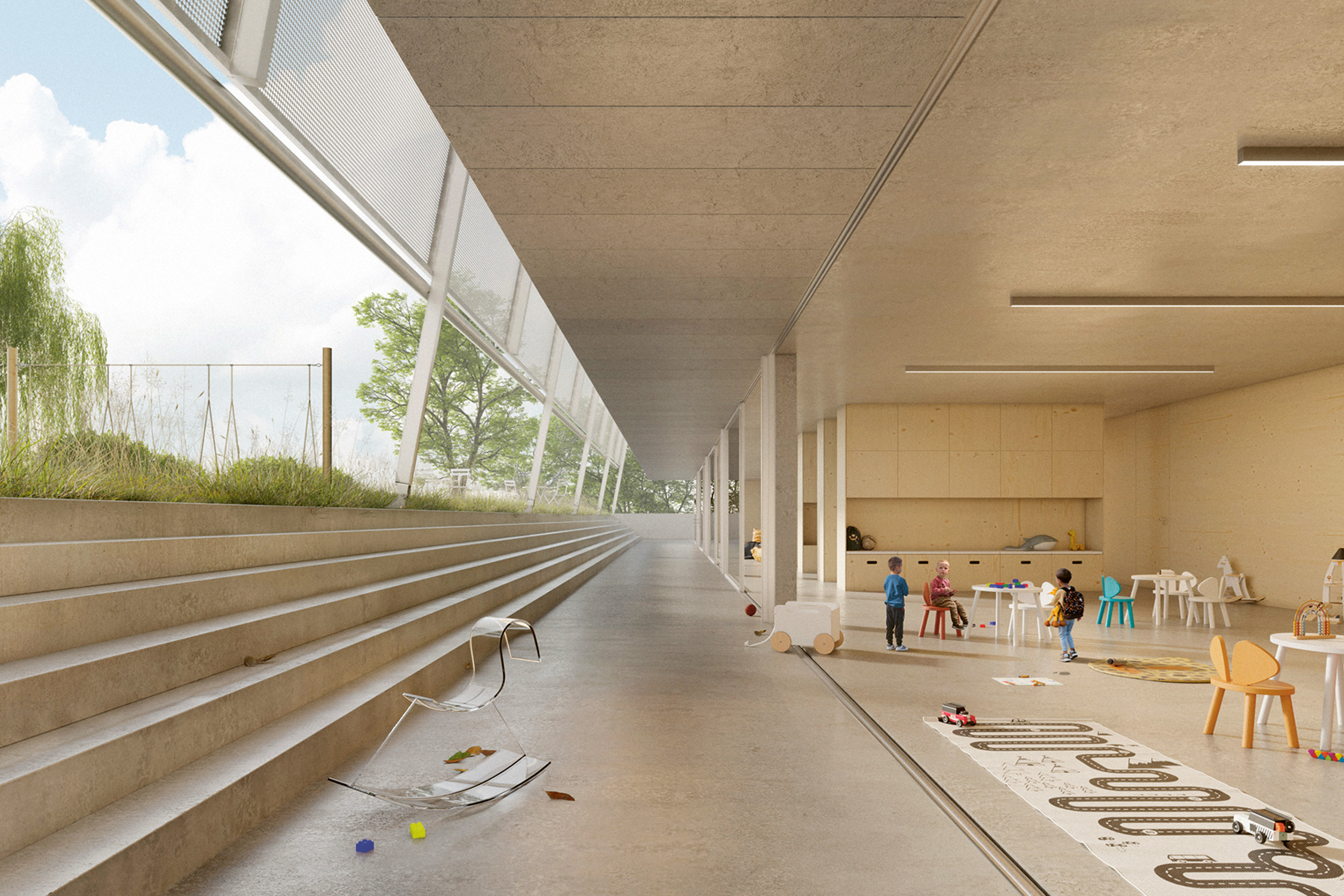
As well as banking spaces, the programme included a nursery, commercial spaces, apartments, and green areas. As Accardo explains, these different functions should activate the urbanity of the new space through diversified uses and flows of people with different motivations. When living, working, shopping and meeting take place in the same area, the spaces remain lively at different times of the day, thus avoiding the desertification of neighbourhoods with a single function.
The two-phase competition, with an open and anonymous procedure, allowed twenty-two studios to participate, with five then being selected for further consideration. This openness encourages the emergence of different proposals and demonstrates how competitions can stimulate architectural quality and provide opportunities for young studios.
Sustainability as an integrated approach
For Raiffeisen, sustainability is a principle that translates into concrete choices. All of Raiffeisen Switzerland’s offices (Savosa, Lausanne, St. Gallen and Zurich) are ISO 14001 certified, and all projects exceeding CHF 7 million pursue SNBS (Standard für Nachhaltiges Bauen Schweiz) certification. The Savosa building was the first SNBS-certified administrative building in Ticino.
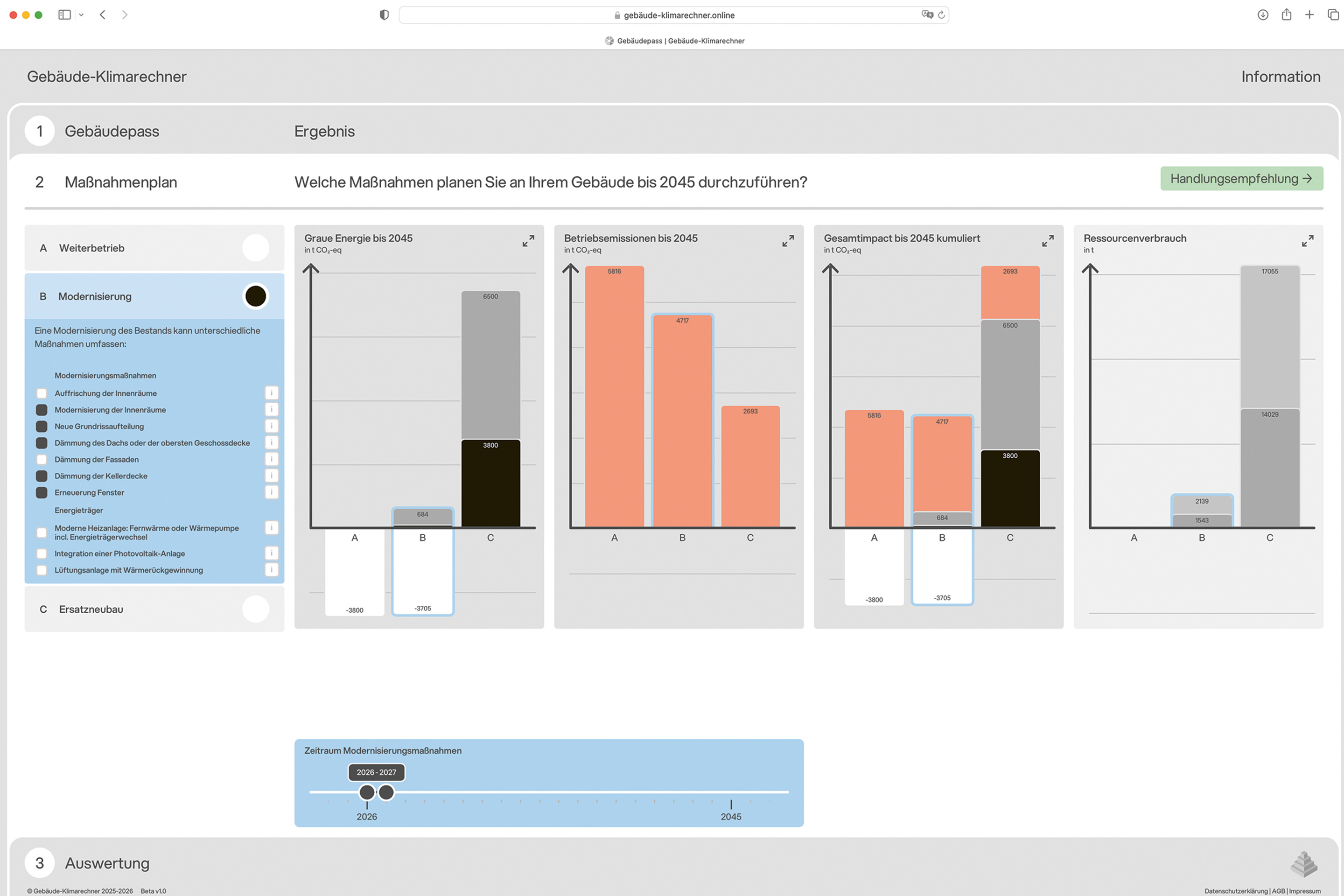
However, certification is the result of a broader approach that encompasses design, construction, and management. Each new project is evaluated based on the grey energy already invested in the building, bearing in mind that the most sustainable solution does not necessarily coincide with replacing it. In the Ligornetto branch competition, the possibility of preserving or demolishing the building was considered: each case is assessed individually to determine whether to renovate, extend or replace the existing building.
Flexibility is also a key issue. Accardo emphasises the need for architects to design adaptable buildings: while banks have undergone radical transformations in recent years, equally profound changes could be brought about in the next few years. Thus, flexibility becomes part of a sustainable approach that looks to the future.
Three regions, three sensibilities
Raiffeisen Switzerland’s construction department operates through three regional offices: Savosa covers Ticino and the Italian-speaking part of the canton of Grisons; Lausanne covers French-speaking Switzerland; and St. Gallen covers German-speaking Switzerland.
Just as architectural language adapts to the location, different languages also have their own specific nuances. Accardo emphasises that, while the principles and approaches are shared, the way of thinking about one’s own territory varies slightly in each region. He explains that it is a matter of choice, linked not only to the territory, but also to individual sensibilities – everyone manages the development of principles in their own way, focusing on different aspects. Accardo concludes that the interesting thing is to see how shared values can translate into different interpretations.
A possible model
The initial question is reversed. Raiffeisen’s approach raises a broader issue. Rather than asking why an architect is part of a bank, we should ask why so few companies invest in in-house architectural expertise.
The answer lies in recognising that, although they are often privately owned, commercial and administrative buildings have an inevitable public dimension. These spaces actively contribute to the urban fabric – people pass through them every day, perceive their value or degradation, and integrate them into their experience of the city. For companies themselves, investing in quality architecture is not just a matter of aesthetics; it means establishing a recognisable identity, creating environments that attract employees and customers alike, establishing lasting roots in the local area and physically reflecting cultural values. Raiffeisen’s example shows that this dual responsibility towards the company and the local area is possible and generates shared value when approached with design awareness.
Notes1 Victoria Barnes e Lucy Newton, Symbolism in bank marketing and architecture: the headquarters of National Provincial Bank of England, Business History (2019), DOI: 10.1080/17449359.2019.1683038.
2 Ann-Christine Frandsen, Tammy Bunn Hiller, Janice Traflet e Elton G. McGoun, From money storage to money store: Openness and transparency in bank architecture, Business History 55, n. 5 (2013): 695–720, DOI: 10.1080/00076791.2012.715282.
3 Ibid.
4 Edwin Heathcote, Vaulting ambition: a history of banking architecture, The Banker, 30 gennaio 2024, https://www.thebanker.com.