Educating Circular Minds
espazium-education
In this article, Catherine De Wolf (ETH Zurich) advocates for the systemic integration of circularity into architectural education. She argues that awareness modules are no longer sufficient: implementing circular approaches requires business models, leadership, and national coordination. At ETH, her interdisciplinary teaching combines advanced digital tools with reused materials, in direct collaboration with real-world partners.
➔ En français : Former des esprits circulaires
Circularity has moved from a niche topic to a central part of architectural education. In Switzerland, the shift has happened quickly. A growing number of courses focus on material reuse, adaptive reuse, repair, and disassembly, supported by digital tools that allow students to map, scan, and model existing buildings. The challenge now is not simply raising awareness, but turning knowledge into practical strategies. This means equipping students not just with design skills, but with the tools to lead change in practice: business models, regulatory know-how, and the ability to work with (and convince) real-world partners.
My own perspective comes from teaching at ETH Zurich, as well as through past roles at TU Delft, EPFL, Nanjing University, MIT, and other institutions in Europe, Asia, and the US. Across these contexts, I have observed a common trajectory: growing awareness of the need for circularity, followed by a slow but determined shift toward more integrated, project-based, and interdisciplinary learning formats.
Workshops and awareness modules are useful, but not enough. Circularity should be part of core training in architecture and engineering. All students need basic skills, with options for deeper specialization in areas like life cycle assessment or circular project management. Programs like CAS and MAS help bring these ideas into practice. But the foundation must be built in Bachelor’s and Master’s education. Circularity should not be taught in isolation. It should allow students to link design with material economy, construction physics, logistics, policy, and digital tools. Isolating circularity risks disconnecting it from architectural culture. What works best are not isolated lectures, but teaching models that connect students with real clients, materials, and constraints.
Education versus Entrepreneurship
Circularity is not only a technical issue, it is also a cultural one. It asks us to rethink values, responsibilities, and the role of design in shaping long-term environmental outcomes. That reflection is taking place not only in classrooms but also in professional forums, conferences, and research networks.
One example is the International Association of Shell and Spatial Structures (IASS) symposium[1], which I co-chaired in 2024 at ETH Zurich with Profs. Philippe Block, Jaqueline Pauli, and Walter Kaufmann. The symposium extended IASS’s traditional focus on Efficiency, Economy, and Elegance to include broader principles: Environment and Ethics were proposed as additions to the classic pillars of structural design. In his keynote, Prof. John Ochsendorf suggested two more: Education and Entrepreneurship. These seven “E’s” form a compelling framework for addressing today’s architectural and planetary challenges.
Circular ideas often start as student projects, but to be applied in practice, they need business models, leadership, and regulatory understanding. Teaching entrepreneurship alongside design helps students move from concept to implementation. Schools can support this process by connecting student work with cities, institutions, and industry. These partnerships allow projects to continue after the semester and show how reuse fits into the real world. Courses can also come from practice itself. The growing link between education and practice is also reflected in how circularity is taught across Switzerland, both within universities and through professional training programs.
Circularity Teaching in Switzerland
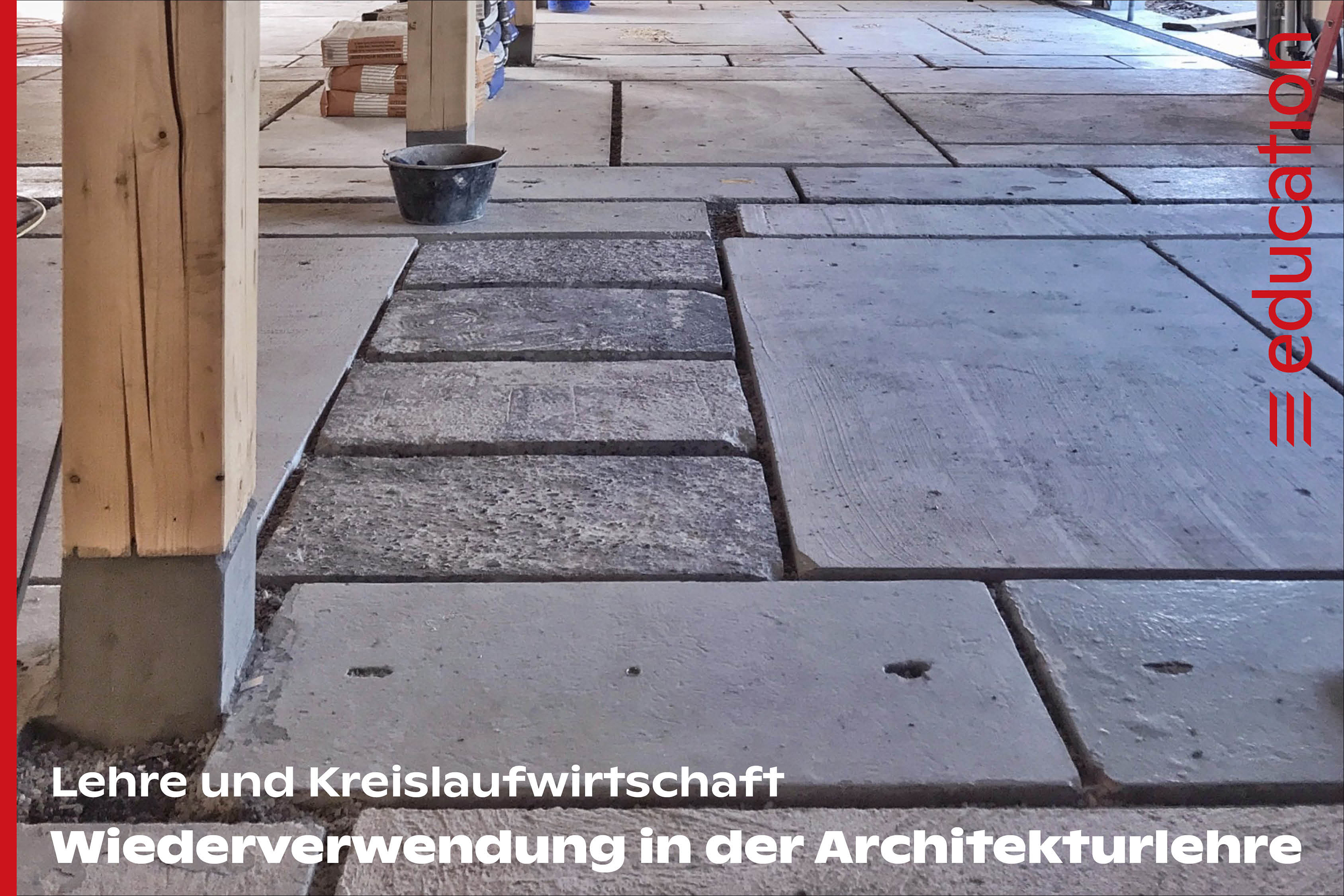
Outside of academic institutions, new national practical-oriented reuse courses (organised by industry partners such as bilBau, Roto, sanu, LPA, and matériuum) are offered in German, Italian, and French and are certified by Cirkla.
At HEIA-Fribourg, Prof. Hanni Buri’s seminar on reuse recently received the EAAE Prize for its innovative pedagogical approach. Students are involved in real-world disassembly and cataloguing, learning directly through practice. At HES-SO, initiatives like MatLoop and REMCO promote material research and digital tools for circular strategies. HSLU’s Circular Time Lab explores how time factors into reuse and maintenance planning. At EPFL, I have previously contributed to courses led by Prof. Corentin Fivet and Prof. Martin Fröhlich, including flipped-classroom modules and practical reuse of structural elements from a tram depot in Bern. Through our project SWIRCULAR[2] professors from ZHAW also explore legal aspects of circularity, which are taught in courses such as the ETH ReMain CAS. These initiatives show that circularity is being taught not as a theoretical issue, but as a real design challenge tied to logistics, cost, law, and collaboration with industry.
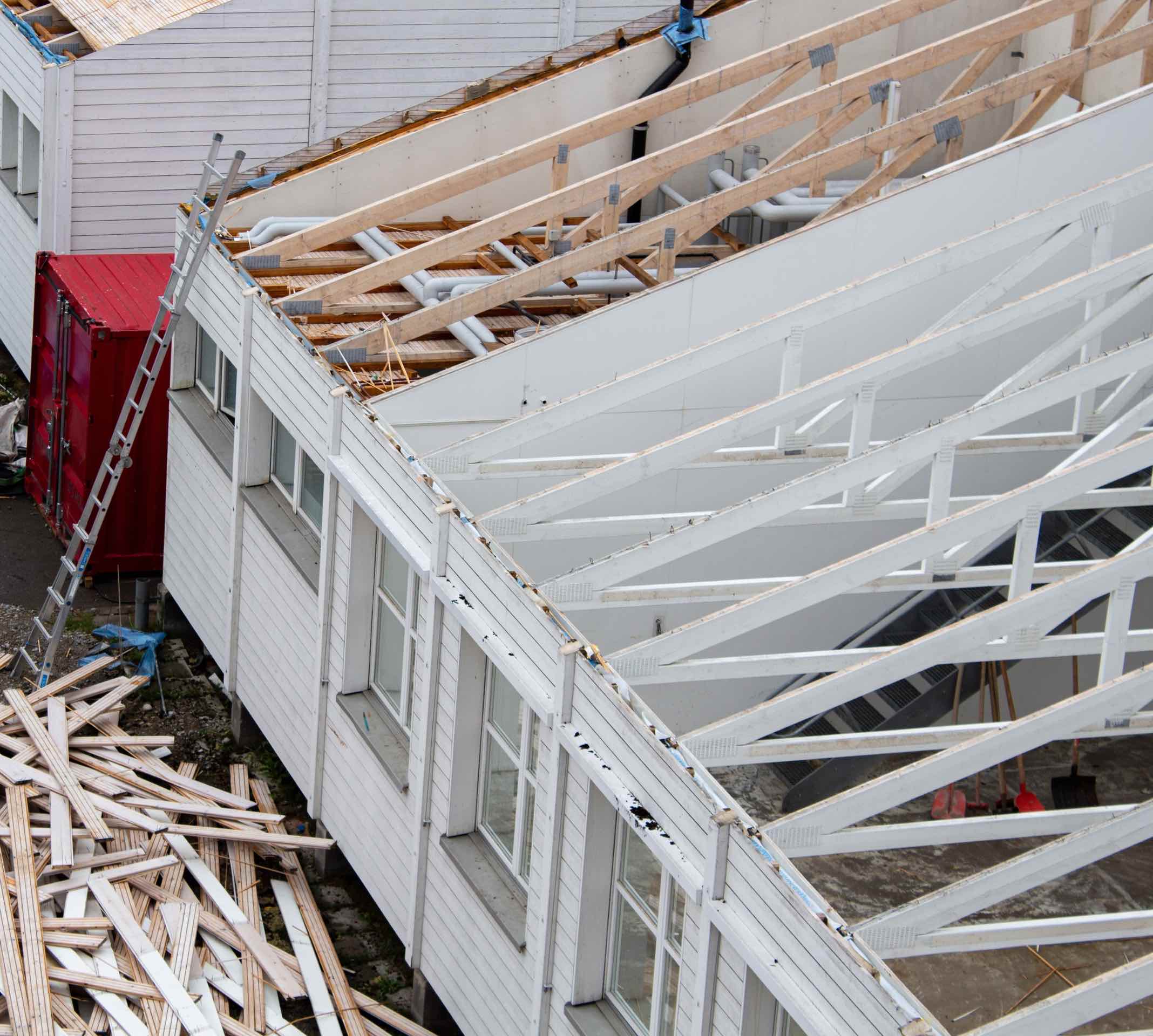
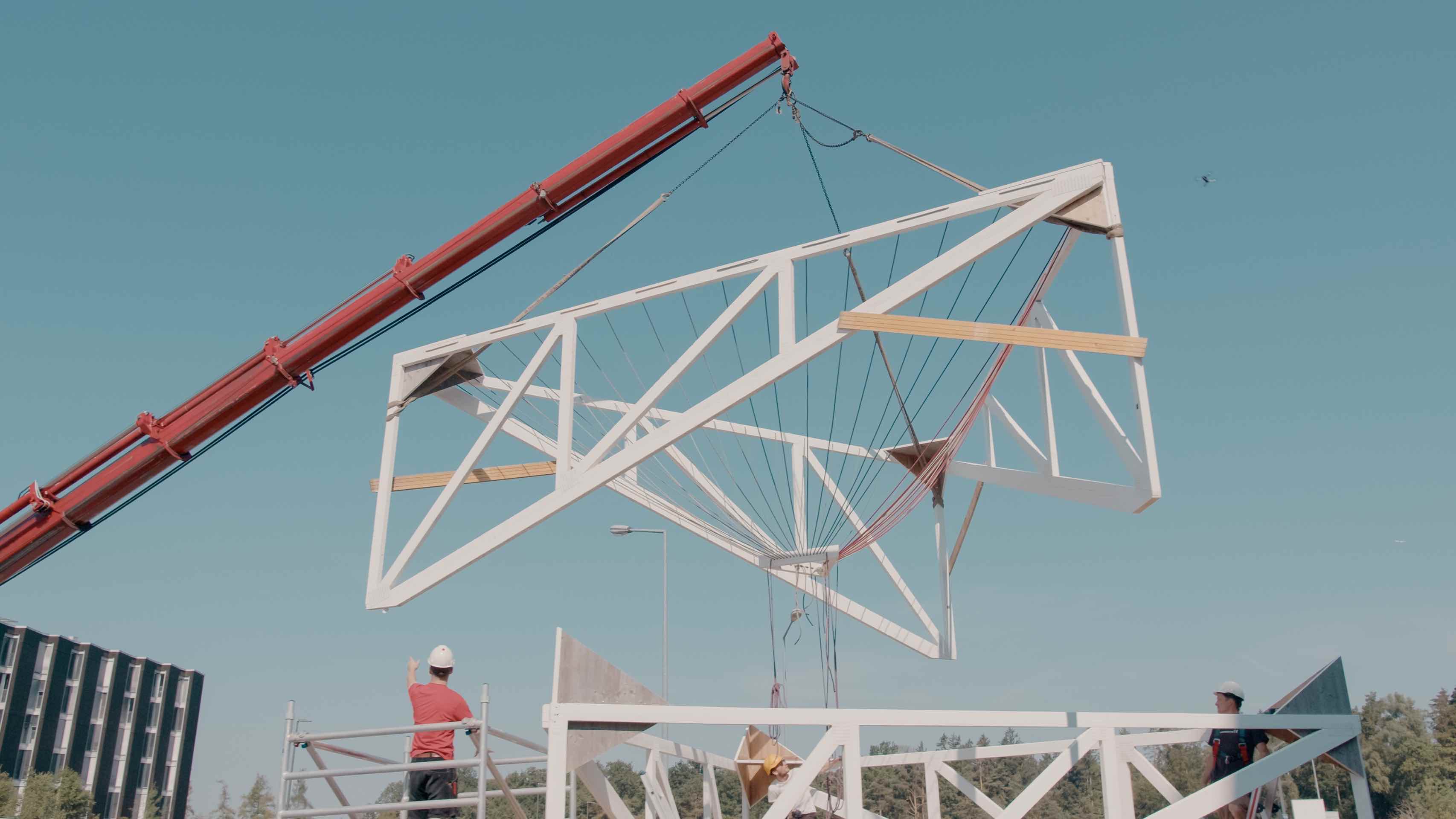
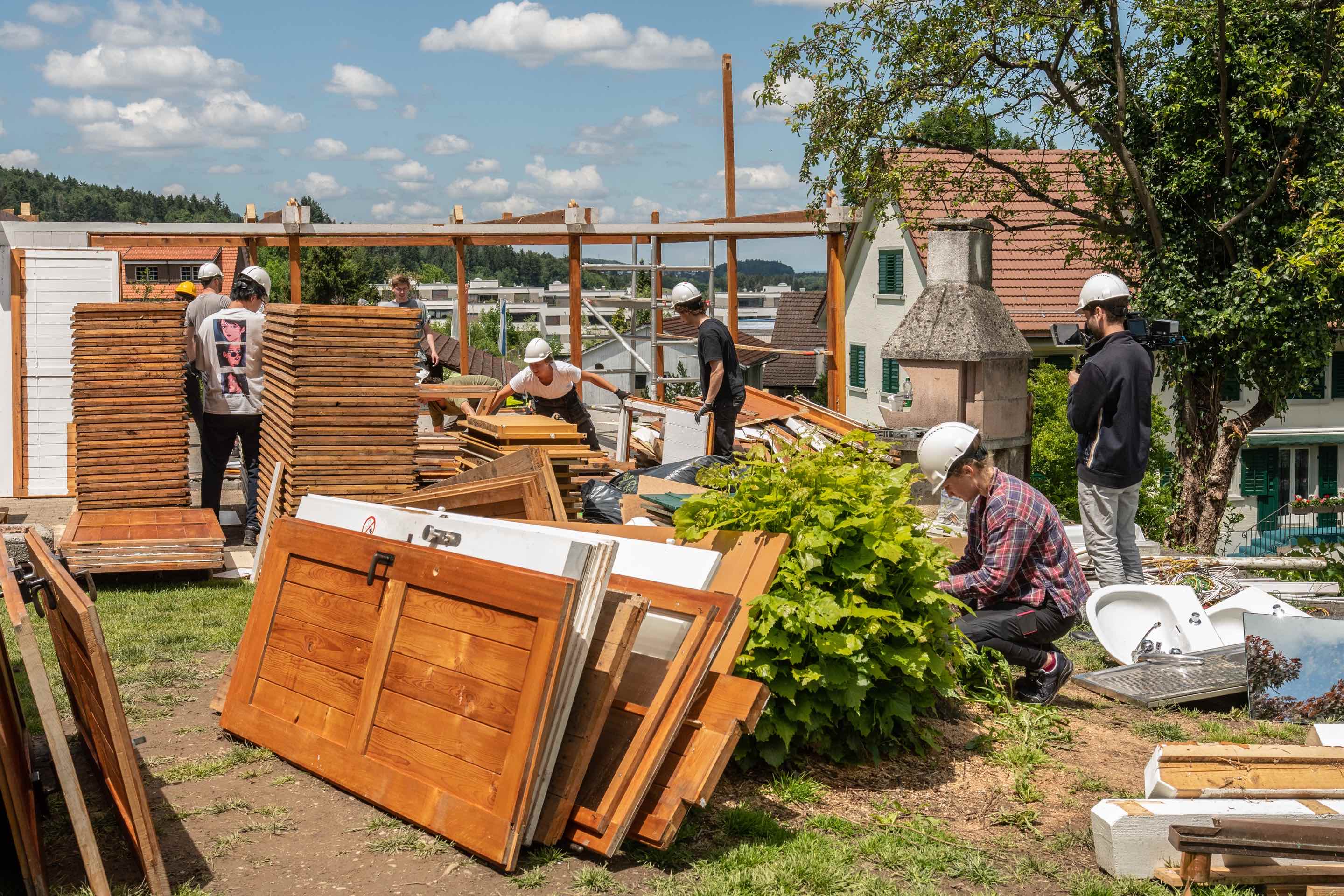
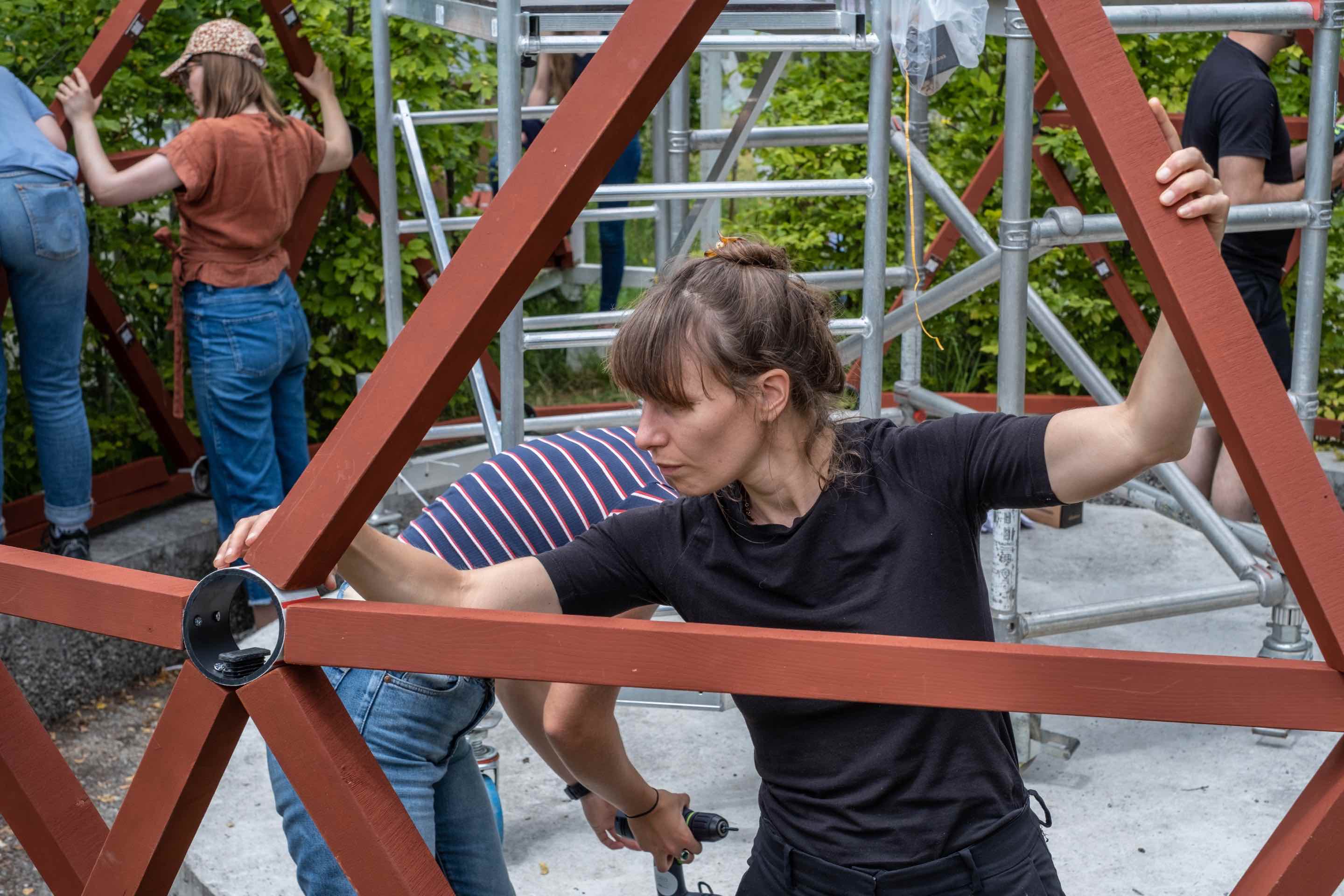
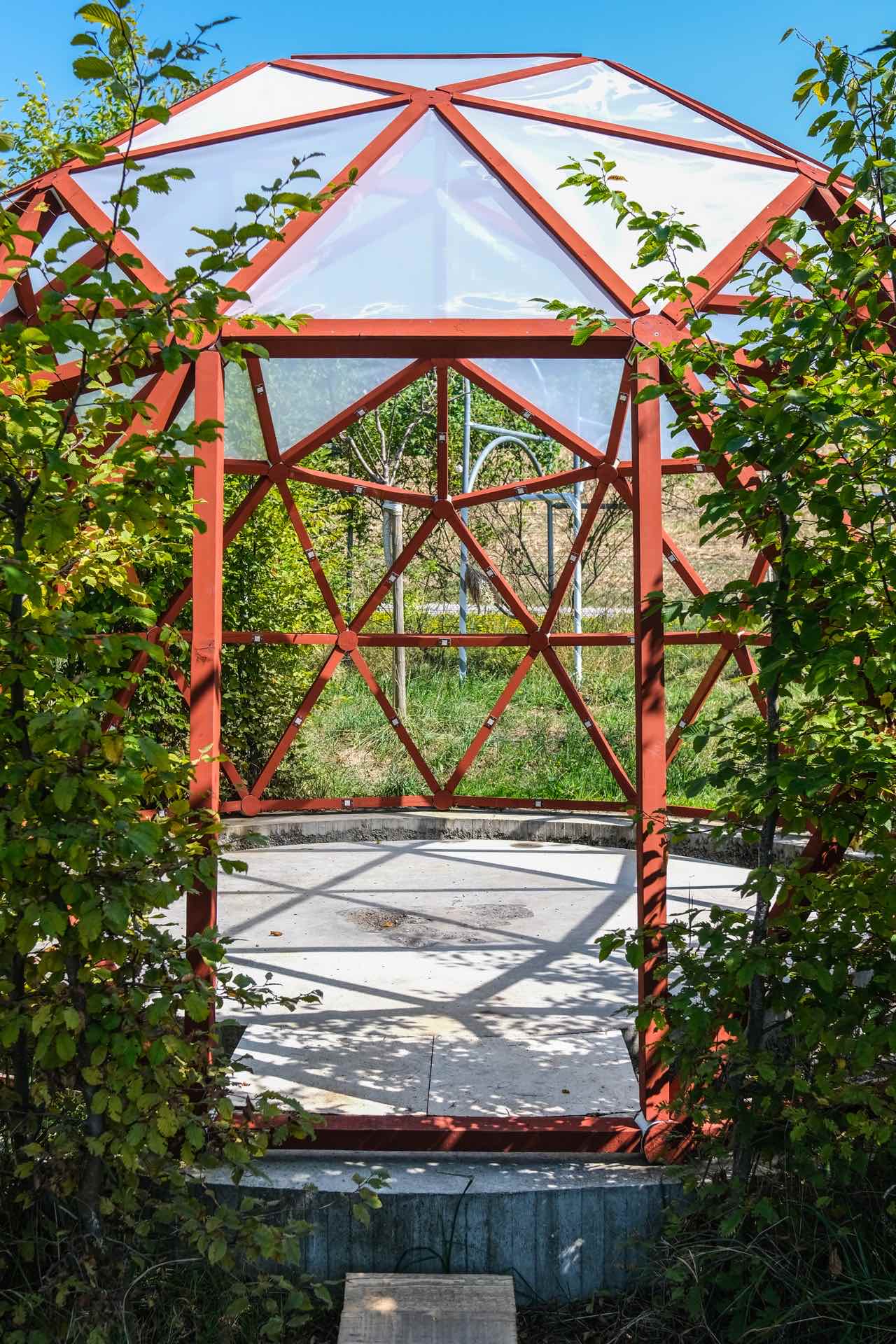
At ETH Zurich, I collaborate with colleagues in architecture, engineering, and other departments on focus and master’s thesis projects, design studios, as well as CAS/MAS or regular courses. For example, in a project with Prof. Momoyo Kaijima, students reused elements from the Huber Pavilions, a series of lightweight timber structures from the 1960s now dismantled for reuse. I also was invited as a guest critic in Studio Reuse led by Barbara Buser. Moreover, I had the chance to contribute a module on reuse to the CAS Regenerative Materials directed by Prof. Guillaume Habert. In one of my own Chair’s courses, Dr. Claudio Martani links future-proof infrastructure and construction to our work on circularity as well. Many other teaching initiatives exist on reuse-related topics. To name just a few, Prof. Silke Langenberg focuses on repair and preservation through seminars such as Keep in Place, Upgrade, and the CAS ReMain; studios within the Institute of Design (IEA) focus on reuse (e.g., Studio Emerson) and adaptive reuse (e.g. studios by Prof. Eli Mosayebi or by Prof. Maria Conen); Profs. Philippe Block and Jacqueline Pauli focus on low-carbon strategies and material reuse in structural design; courses by Profs. Stephanie Hellweg, Ueli Angst, and Ingo Burgert cover life cycle assessment and material durability.
Cross-departmental collaboration is essential to teaching reuse in a comprehensive way. One example is the joint effort between the Department of Civil, Environmental and Geomatic Engineering (D-BAUG) and the Department of Architecture (D-ARCH) to renovate an ETH campus building as a Living Lab, using it as a real-world case study for both research and teaching.
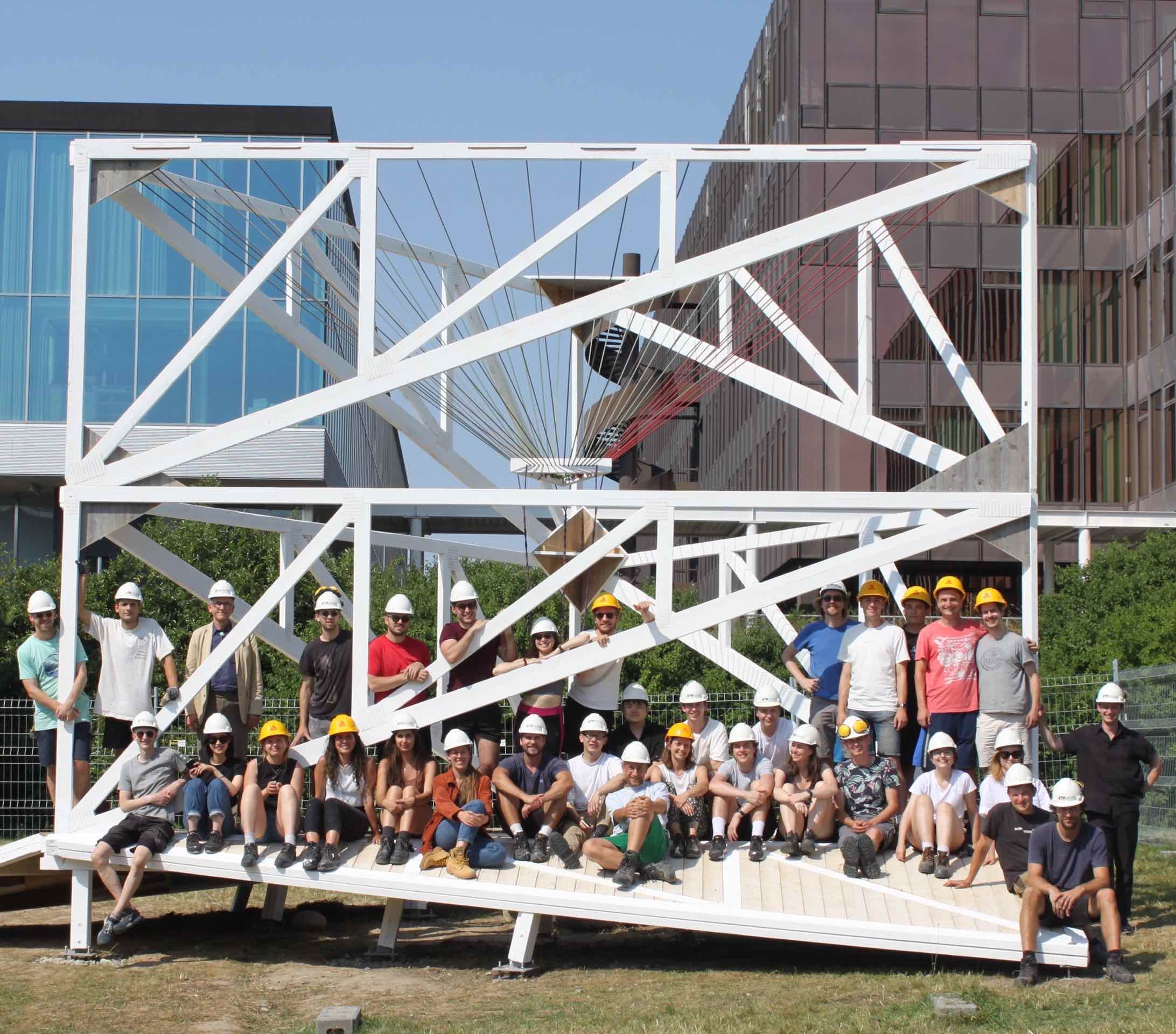
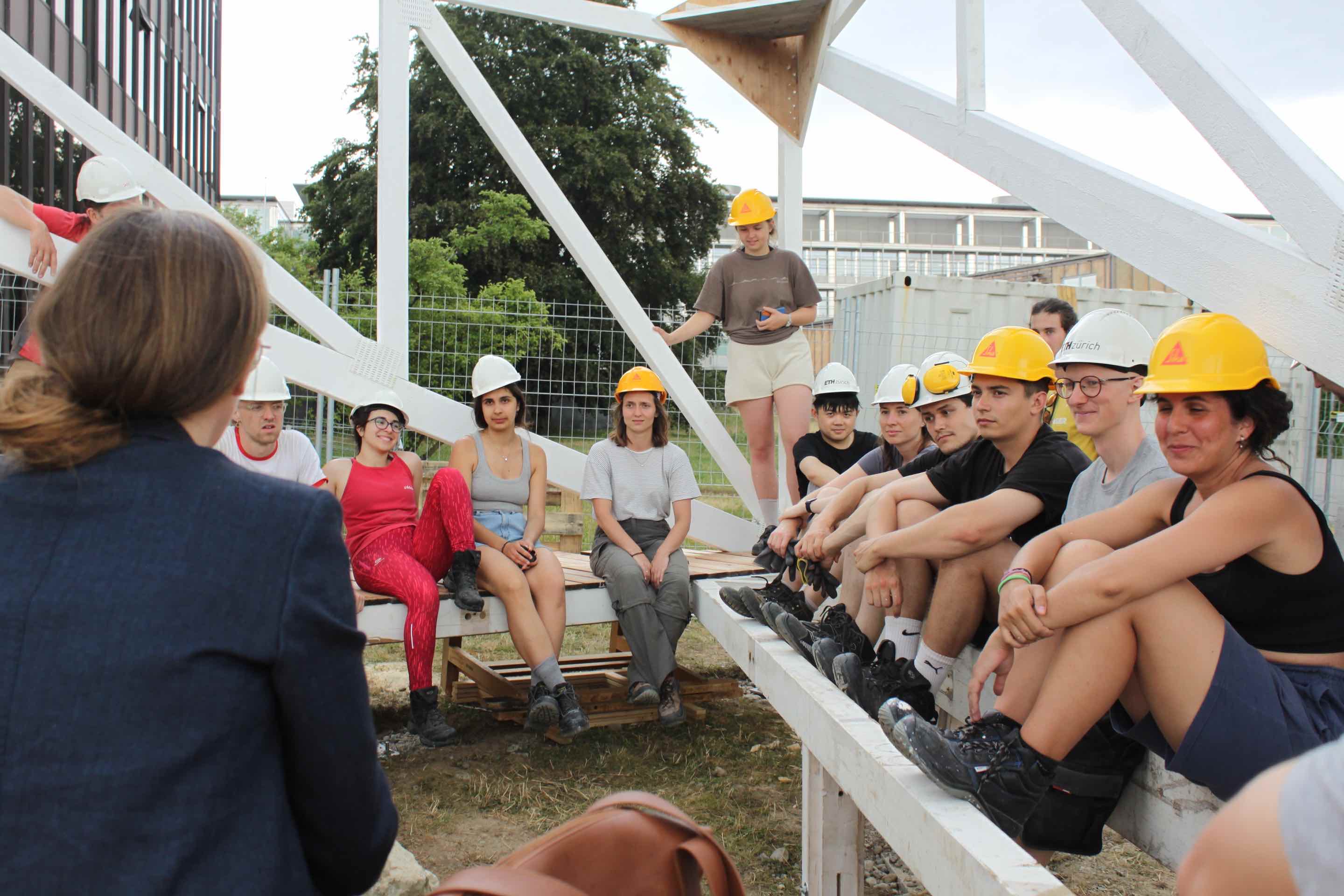
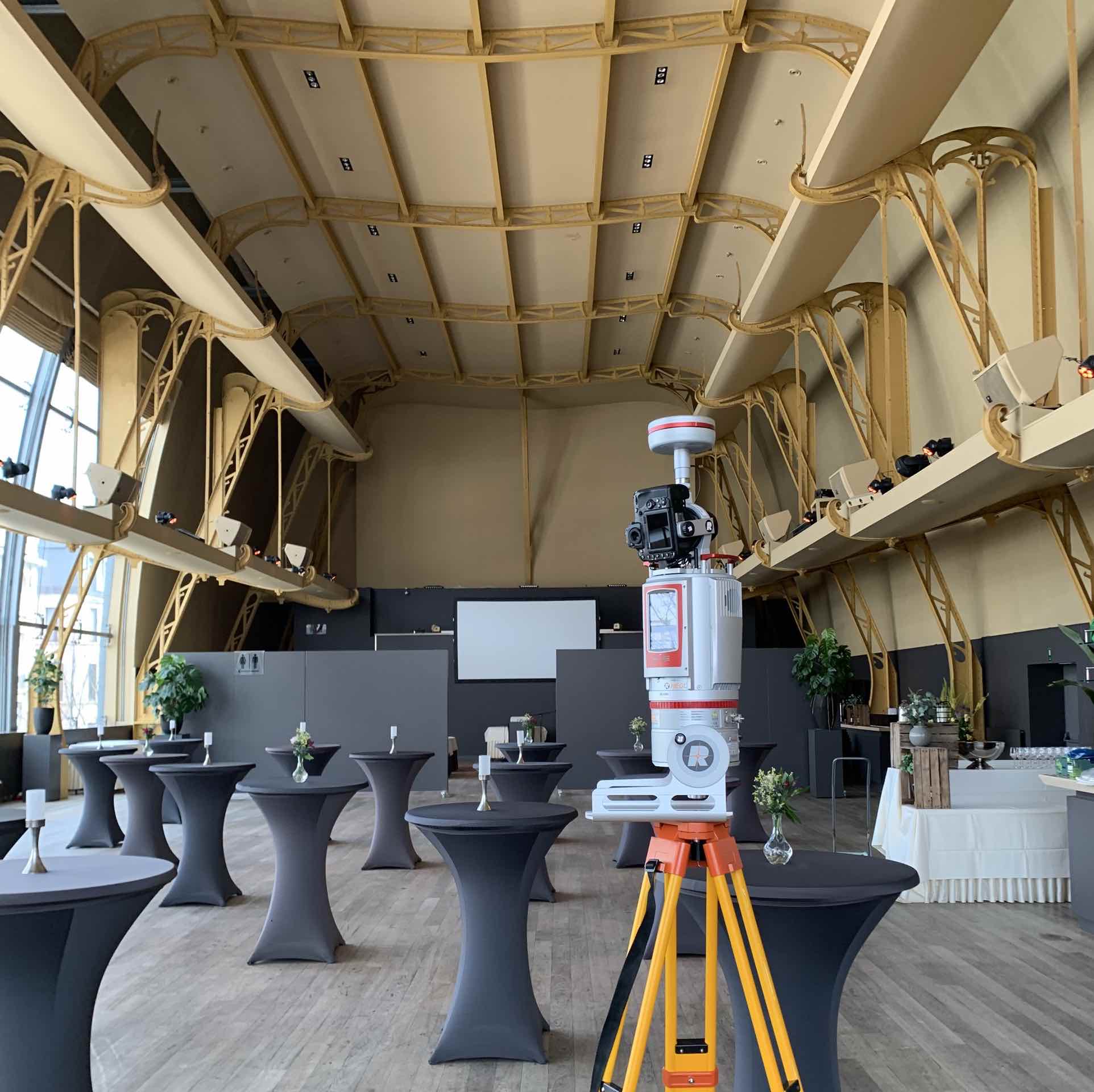
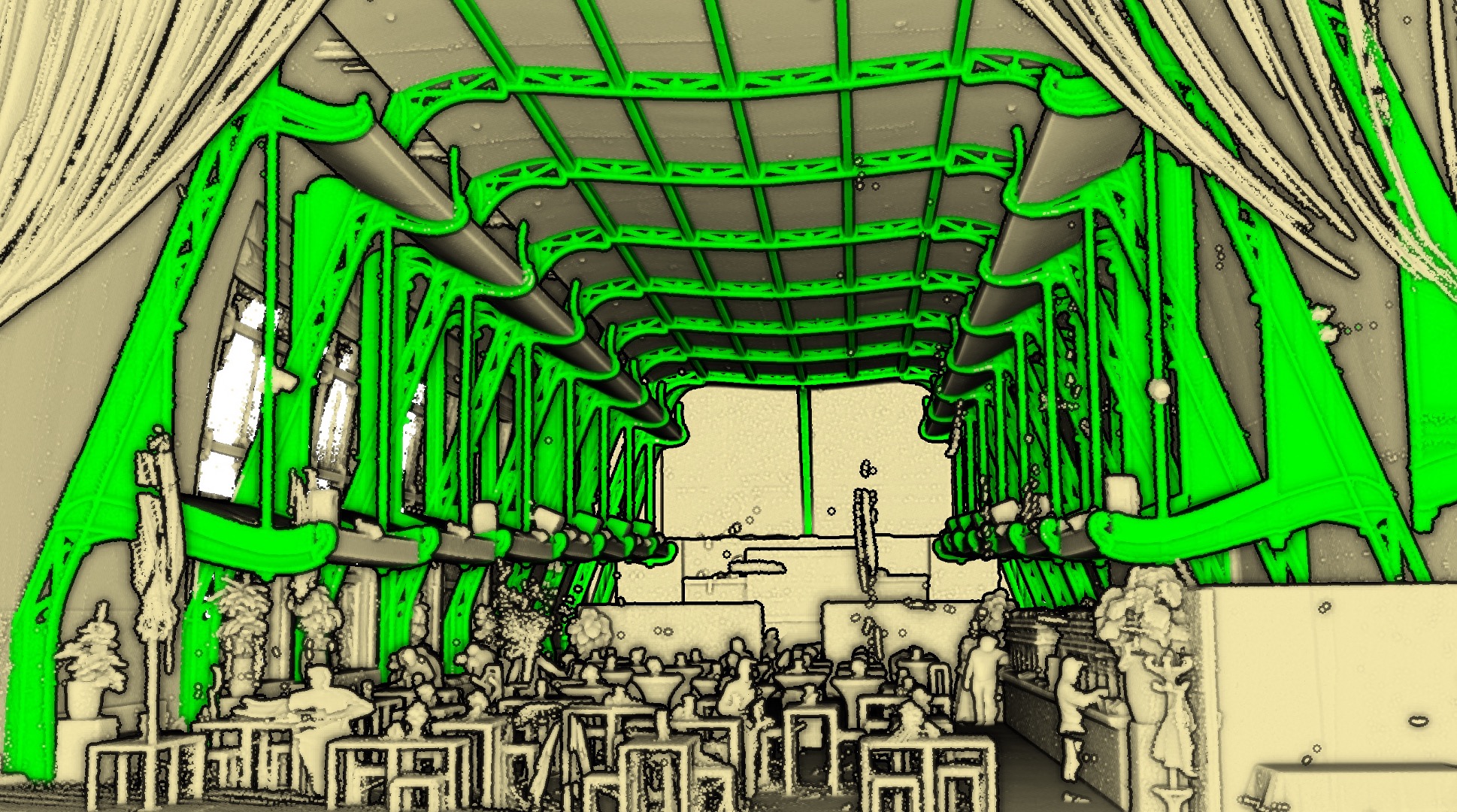
My own course, Digital Creativity for Circular Construction, hosted in D-BAUG, is open to students across all faculties. Each year, my course brings together 30 to 50 students each semester from architecture, civil engineering, computer science, materials science, mechanical engineering, and other departments. It is hands-on and interdisciplinary: students apply artificial intelligence (AI), extended reality (XR), reality capture scanning technologies, and digital fabrication to reclaimed materials, while engaging directly with real-world building disassembly, cataloguing, and rebuilding with actual clients and public institutions. This gives them a realistic sense of how reuse works in practice. As one student put it: “We learn things specific to our project, not just a fixed set of knowledge.” In 2025, we began by disassembling a university building and cataloguing materials for reuse. These materials were later used to build playgrounds for Kunsthalle Zürich and a daycare center in Basel. A selection also travelled to the Venice Architecture Biennale, giving students the experience of seeing their work enter both daily use and the cultural sphere. This hands-on, interdisciplinary approach has proven effective. Students develop not only technical and creative skills, but also a stronger sense of agency and responsibility. They learn to navigate legal, logistical, and economic challenges and to see reused materials not as waste, but as opportunities.
Plurality over Uniformity
Switzerland offers a broad mix of approaches to teaching circularity, including design studios, certifications, and courses on digital tools, heritage, and life cycle assessment. While formats vary, national coordination could help ensure that all graduates gain basic competence in reuse, while still supporting local diversity and specialization across disciplines.
One of the principles of circular construction I am deeply committed to is “collaboration,” hence the main title of my DETAIL book The Art of Connecting: The Reuse of the Huber Pavilions (2025)[3]. Instead of reinventing the wheel in every course, it is essential to connect institutions, professors, practitioners, and students so that progress in teaching can also influence the wider construction industry. Sustainability and circularity are central to the future of construction. Teaching must show students how to reduce waste and extend the life of materials. Hands-on, interdisciplinary work across institutions helps students apply circular strategies in real situations and develop the mindset to carry them forward.
Circularity becomes transformative when students are trained to question the status quo and equipped with the entrepreneurial skills to turn ideas into real-world solutions through collaboration. The task ahead is therefore clear. We need to embed circularity as a baseline competence, encourage experimentation across schools, foster collaboration between disciplines, and connect education with practice. The next step for circularity in education is systemic integration, with schools aligning teaching with real-world conditions, fostering long-term partnerships, promoting interdisciplinary collaboration, and combining hands-on work with digital tools. Circularity should no longer be seen as an optional curiosity or separate concern, but as a fundamental reorientation of architectural and engineering culture, shaping how we design, build, and inhabit our future.
Notes
- IASS Zurich, International Association of Shell and Spatial Structures, https://iass2024.org/web/
- SWIRCULAR. (2025) Swiss Circular Construction Digital Ecosystem, InnoSuisse Flagship project
- De Wolf, C. (2025) Art of Connecting. The Reuse of the Huber Pavilions. DETAIL Verlag