

The Atlas of Regenerative Materials
Mapping a credible transition
In a context of climate and social crisis, regenerative construction transforms materials and practices into tools for reducing impact, storing carbon, and strengthening communities. The Atlas of Regenerative Materials guides professionals toward sustainable, local, and concrete solutions.

Testo in italiano al seguente link
Designing in a time of collapse
Architects, engineers and construction professionals work today under the shadow of planetary boundaries that are being transgressed, one after another: Climate change, biodiversity loss, soil erosion, ocean acidification and the depletion of finite but critical resources. To this ecological collapse adds a social one: the concentration of wealth and power in a few hands, the fragility of global supply chains, and the growing vulnerability of communities to disruptions – whether climatic, economic, or political.1
In this context, the construction sector occupies a paradoxical position. On the one hand, it is among the largest contributors to greenhouse gas emissions and raw material extraction. On the other hand, it is the sector that sustains our daily lives, providing shelter for all and resilient infrastructure to communicate and sustain our economies.
The question before us is crucial: how can the built environment cease to be an extractor and become a regenerator? How can we design and build not only with less harm, but with a positive contribution to the ecosystems and societies in which we intervene? This pushes us beyond sustainable consideration towards regenerative thinking, which advocates for the design of systems that maximise positive outcomes rather than solely focusing on reducing negative impacts.2 This approach instils hope by positioning regeneration as a new vision for construction. Amidst feelings of despair, fatalism, denial, and overly optimistic naivety, we firmly choose hope. Why? Because we see that well-planned construction can make a real difference. We believe that thoughtful building projects have the power to transform and bring positive change to our world. It’s not just about putting up structures; it’s a journey of repair and healing. We’re committed to hope because we believe that well-built buildings can play a big role in making our World better.
Buildings should be designed not just for shelter but to enhance quality of life, encouraging physical and mental health, social interaction, and a sense of belonging. Moreover, buildings can play a vital role in improving the surrounding environment. They can reduce energy consumption, minimise waste generation, and even serve as habitats for native flora and fauna. Thoughtful urban planning and architectural design are key in creating spaces that harmoniously coexist with nature, nurturing biodiversity and supporting ecosystem services. Additionally, buildings have the power to shape and enrich cultural life. They are more than physical structures; they are expressions of human creativity, identity and values.3
While sustainable and net-zero circular buildings are important advancements towards reducing our impact on the environment, a regenerative building goes a step further by actively contributing to environmental and societal improvement. It restores natural systems and triggers positive economic dynamics, supports local businesses, secures jobs, and interconnects supply chains within bioregional economies.4
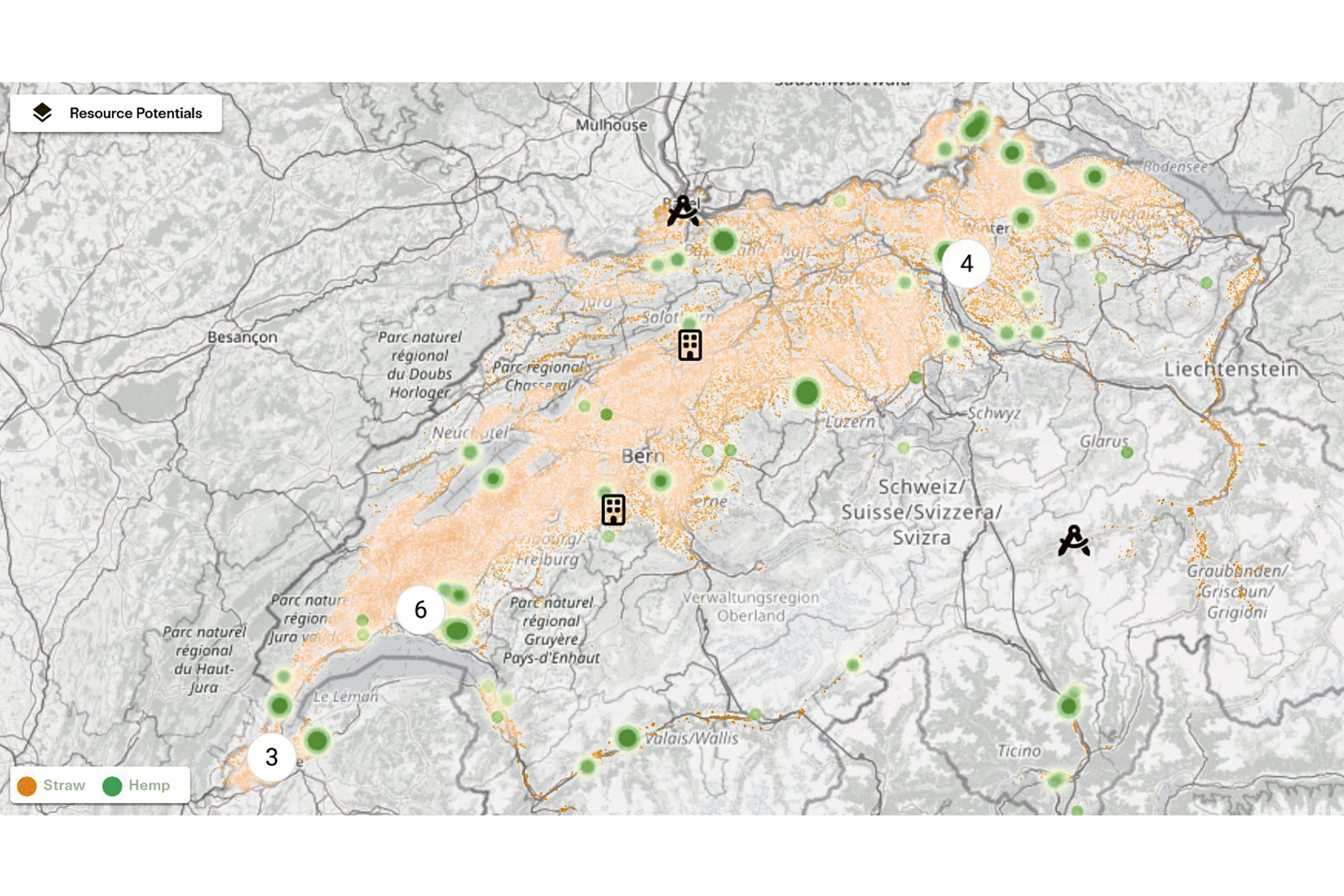
One of the most tangible answers lies in the choice of materials. Architecture is the crafted articulation of matter into space. Each wall, each floor, each insulation layer embodies energy, labour, and environmental consequences. Shifting the material base of our discipline is therefore one of the most effective levers to reduce impact and to design new positive value chain. Regenerative materials are those that draw from renewable, abundant, and often bioregional sources – such as straw, hemp, and other agricultural fibres as well as earth and stone – while fostering local economies and communities of practice. They can capture and store carbon, improve soil cycles, and support biodiversity. They also carry cultural narratives and artisanal know-how that anchor buildings in their territories. To foster these values and against Odds, in a desperate optimism, the Atlas of Regenerative Materials was born (fig. 1).
The Genesis
The platform https://atlas-regenmat.ch emerged from a shared observation: while Switzerland hosts a remarkable ecosystem of actors experimenting with regenerative resources, their knowledge and achievements remain fragmented. Pioneering architects, engineers, and contractors may build exemplary projects with rammed earth or strawbale insulation, local quarries may provide high-quality stone, and innovators may push forward the reuse of construction waste ‒ their efforts often remain isolated, dispersed across regions, and difficult to access for professionals seeking inspiration or references and most importantly invisible to clients, real estate owners and those who decide ultimately what to build.
The Atlas was created to weave these scattered initiatives into a coherent, accessible, and evolving platform. Conceived by the Chair of Sustainable Construction at ETHZ, together with a wide network of partners, the Atlas builds on years of research into bioregional material flows, life-cycle analysis, and regenerative construction practices. It was launched as an open-access digital tool with the explicit goal of supporting architects, engineers, planners, and decision-makers in identifying actors, techniques, and resources relevant to their projects.
The initial support of the Ricola foundation and «MATILDA La Matériauthèque», who shared the vision of regenerative materials have been crucial. TA subsequent research project funded by ETH Zurich through the Open Research Data (ORD) call enabled the development of the collaborative digital infrastructure supporting the continuously evolving Atlas community. Indeed, the ambition was never simply to compile data, but to create a living cartography of the regenerative construction ecosystem in Switzerland – a map that grows with the contributions of practitioners themselves, bridging the distance between knowledge and practice, research and craft, policy and implementation. This atlas also feeds the bold dream of extending beyond national borders, reaching into neighbouring countries to foster a broader community built on the belief that bioregions are stronger than frontiers.
What Offers
At its core, the project is structured around several interlinked dimensions: projects, actors, materials, techniques, and resources.
Buildings
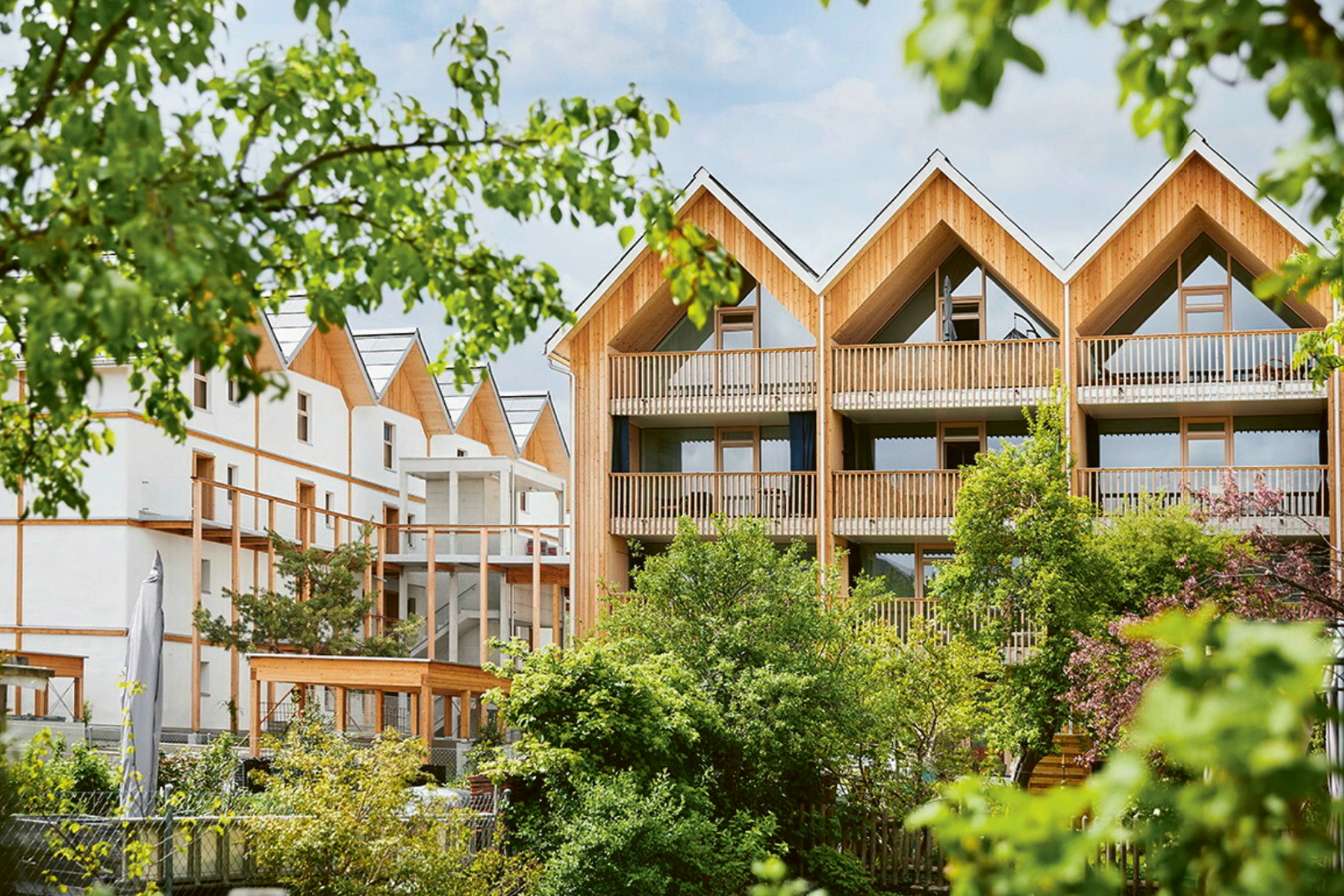
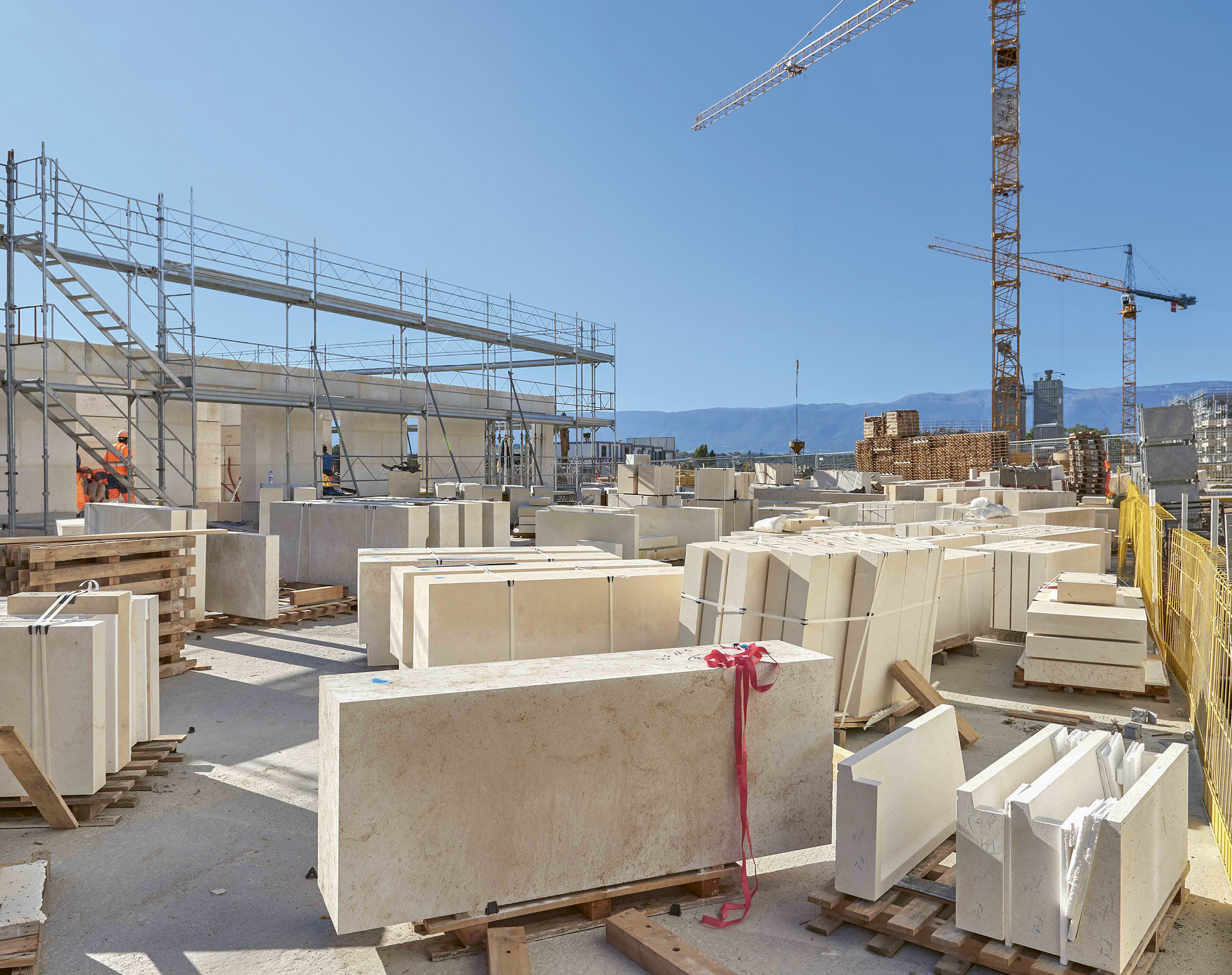
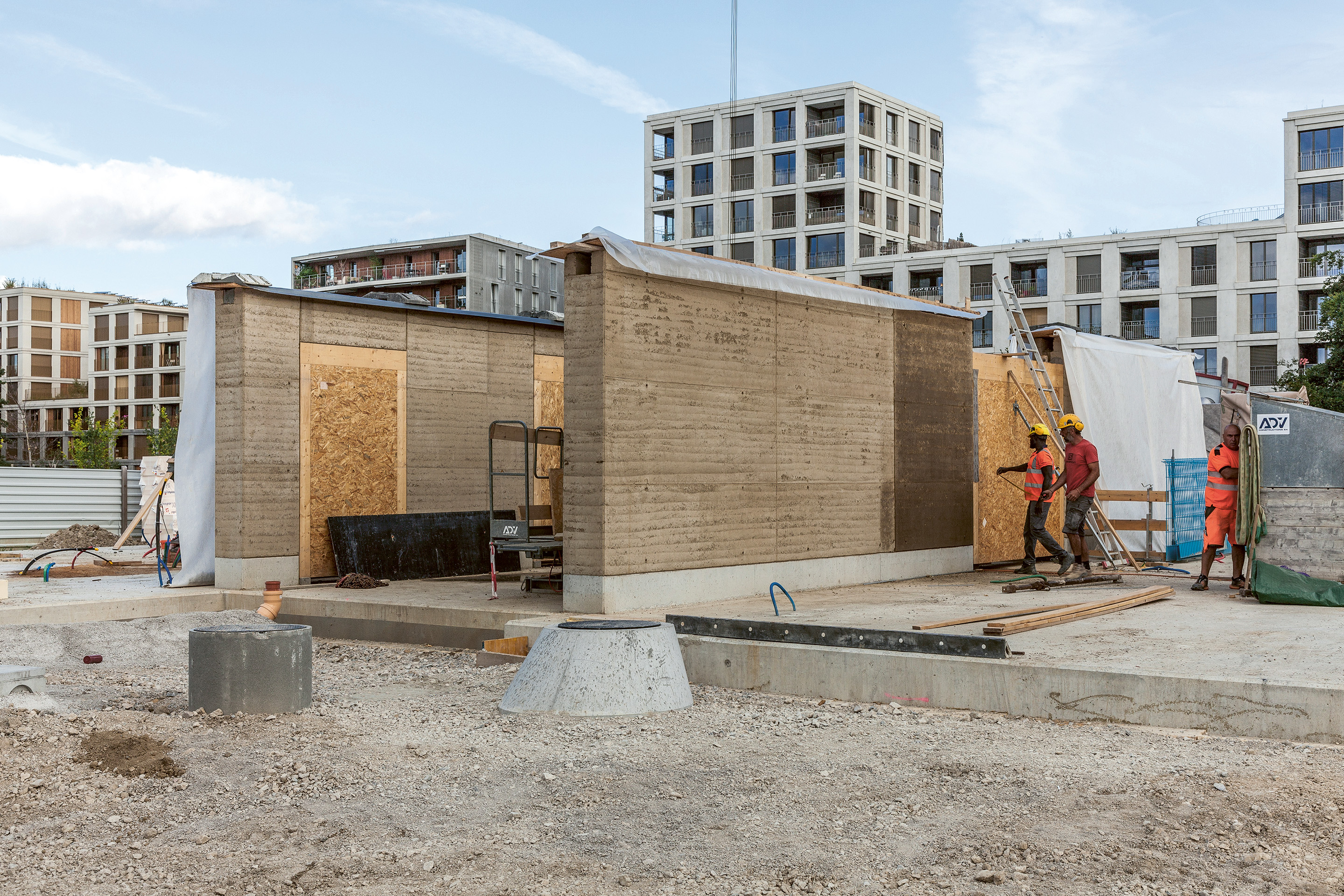
The Atlas documents buildings across Switzerland that showcase regenerative principles. These are not speculative visions but real, built examples that demonstrate feasibility under current codes and market conditions. From residential projects insulated with straw bales (fig. 2) to public buildings in rammed earth (fig. 4), from stone social housing project (fig. 3) to retrofits using reclaimed wood, each project serves as a case study. Detailed descriptions highlight constructive techniques, sourcing strategies, challenges encountered, and performance outcomes. Video of the actors involved can complement the webpage as well as external links to further dive into details. For professionals, these references offer not only inspiration but also reassurance that regenerative design is no longer marginal – it is being realized at multiple scales.
People
Construction is a collective endeavor, and the Atlas shines a light on the pioneers driving the regenerative turn: architects experimenting with low-tech solutions, engineers developing structural applications of bio-based composites, contractors mastering traditional crafts, and producers scaling up supply chains for local resources. Each profile includes contact information, expertise, and links to projects, creating a network effect. For young offices seeking collaborators, for municipalities looking for experts, or for students seeking mentors, the platform provides a gateway into a community of practice. There is no threshold of a level of expertise to join, but there is clear understanding of the values we share.
Constructive Techniques and Norms
Moving from concept to execution often requires precise knowledge of techniques and regulatory frameworks. The Atlas includes descriptions of constructive techniques adapted to regenerative materials, such as earth plasters, stone masonry, or bio-based insulation assemblies. It also provides references to the latest norms and guidelines, helping professionals to navigate the regulatory landscape. This is crucial for engineers and architects who must justify their choices to clients, insurers, or authorities. By gathering the available technical knowledge, it reduces uncertainty and fosters confidence in regenerative solutions. This work is an ongoing effort and depends on the motivation of
experts to contribute and share their knowledge.
Resources and Territories
Finally, the Atlas offers an overview of available resources in Switzerland, connecting material choices to their ecological and territorial basis. Maps and descriptions indicate where straw, hemp, earth, and stone are most abundant, as well as where reuse materials can be recovered from demolition flows. This territorial approach encourages professionals to consider bioregionalism in design: building with what is available locally, thereby reducing transport impacts, stimulating regional economies, and reinforcing cultural identities. Local specificities are shown as eye opener which might trigger curiosity and innovation. For instance, sheep wool (usually discarded) is mapped as well as latest location of invasive plants. Maps are linked with federal register so that they can be updated yearly (fig. 1).
Why Regenerative Materials Matter
The promise of regenerative materials goes far beyond their technical performance. Their adoption has systemic implications for both the environment and society.
Carbon storage. Many regenerative materials – straw, hemp, timber – are biogenic: they capture CO₂ as they grow. Once used in buildings, they act as long-term carbon stores, transforming the built environment into a living carbon sink. Our recent research5 shows that if managed responsibly – where each demolition is matched by new construction using at least as much biobased material as before – the building stock can serve as a stable carbon reservoir for thousands of years. Furthermore, transitioning from mineral-based to biobased construction could deliver up to half of the negative emissions Switzerland needs by 2050. Few other solutions can be scaled as quickly and as affordably.
Local economies: Short supply chains create local employment, foster artisanal skills, and keep economic value within territories rather than exporting it through globalized supply chains or concentrating it in the hands of a few shareholders. Previous studies have shown how the interests of shifting from concrete to stone might not be mainly for carbon argument than to the fact that the money spend goes mainly to salary of workers and less to energy costs for cement production.6
Cultural continuity: Earth, stone, and timber are deeply embedded in Swiss building traditions. Their revalorization strengthens cultural heritage while adapting it to contemporary needs. The recent National research program, NFP81 on Baukultur has selected one of the 13 projects about the new vernacular and the assessment of socio-
economic benefits of using regenerative materials.7
For architects and engineers, engaging with these materials is therefore more than a technical choice. It invites a broader rethinking of design, collaboration, and value – placing construction at the heart of ecological and cultural regeneration.
Perspectives: A Collective Endeavour
The Atlas of Regenerative Materials is not a finished product. It is conceived as an evolving commons, a platform that grows richer as more practitioners contribute their knowledge and experiences. The strength of regenerative construction lies precisely in its collective intelligence – in the multitude of actors who, from different perspectives, push boundaries and open new paths. Contributing to its development can take many forms: documenting a project, sharing contacts of producers, clarifying constructive details, or proposing updates on norms. By widening the network, we also widen the horizons of possibility for regenerative design in Switzerland and beyond.
The transformation of the construction sector is not something that any single office, institution, or region can achieve alone. It requires the convergence of many efforts – architects daring to propose unconventional solutions, engineers testing new structural logics, producers scaling up regenerative supply chains, policymakers adapting codes, and educators training the next generation of professionals. As the platform continues to expand, it aims to serve as both mirror and compass: reflecting the vitality of the regenerative ecosystem in Switzerland, and guiding professionals toward more resilient, ecological, and just practices.
Toward a Regenerative Future
We stand at a critical moment in the history of our built environment. The materials we choose today shape not only the structures we inhabit but also the future of our planet
and the cohesion of our societies. We are convinced that renewable bio-based materials ‒ such as wood and fibers from agriculture ‒ minimally processed geo-based materials like earth and stone, as well as those derived from reuse, must reclaim their essential role in our building culture. Regenerative materials are not a panacea, but they are among the most concrete and immediate tools we have to reorient construction toward a positive role in the planet’s metabolism.
As Marilyn Ferguson wrote in The Aquarian Conspiracy: «Before we choose our tools and technology, we must choose our dreams and values, for some technologies serve them, while others make them more unobtainable». The Atlas embodies this vision, but its power depends on our collective will to use it, enrich it, and translate it into a built reality.
Notes
1 Chancel, Unsustainable inequalities, 151
2 Ichioka, Flourish. Design paradigms, 155.
3 Hes, Designing for Hope, 252.
4 Cole, «Transition to a regenerative future».
5 Priore, «Potential for biogenic carbon storage».
6 Ioannidou, «Where does the money go?».
7 NFP 81.
References
– Chancel, Lucas. Unsustainable inequalities. Social justice and the environment. Harvard University Press, 2020.
– Cole, Raymond J. «Transition to a regenerative future: a question of time». Buildings and Cities (2023) https://doi.org/10.5334/bc.333
– Hes, Dominique, & Chrisna Du Plessis.Designing for Hope. Pathways to Regenerative Sustainability. Routledge, 2014.
– Ichioka Sarah, & Michael Pawlyn. Flourish. Design paradigms for planetary emergency. Triarchy Press, 2022.
– Ioannidou, Dimitra, Stefano Zerbi, Borja García de Soto, & Guillaume Habert «Where does the money go? Economic flow analysis of construction projects». Building Research and Information (2017) http://dx.doi.org/10.1080/09613218.2017.1294419
– Priore, Yasmine Dominique, Lucile Schulthess, Sarah Delmenico, Lionel Rinquet, Guillaume Habert, & Thomas Jusselme. «Potential for biogenic carbon storage towards a net-zero built environment in Switzerland». Sustainable Production and consumption (2025) https://doi.org/10.1016/j.spc.2025.08.019
Online References
– «NFP 81», Swiss National Science Foundation, Bern 2025 https://www.nfp81.ch/en