

A place to play. Stories and actuality of the Centro Educativo Italo-Svizzero in Rimini in a Venetian exhibition
A Place to Play traces the history of the Italian-Swiss Educational Centre in Rimini, which was founded in the post-war period as a laboratory for pedagogy and architecture. Through documents, drawings and films, the exhibition reflects on the educational space as a place of care, play and community-building.
Testo in italiano al seguente link
The exhibition A Place to Play. The Centro Educativo Italo-Svizzero in Rimini, curated by the cultural association The Formwork (Prof. Marko Pogacnik, Francesco Maranelli, Francesca Rognoni, Riccardo Segradin) and the Chair of Construction Heritage and Preservation at ETH Zurich (Prof. Silke Langenberg, Maria Kouvari), with the Margherita Zoebeli Foundation, is hosted by Palazzo Minelli Spada in Venice. It explores the relationship between pedagogy and architecture, as well as the role that educational institutions play within the context of the city. A Place to Play follows the history of the Centro Educativo Italo-Svizzero (CEIS), founded in Rimini in the immediate postwar period.
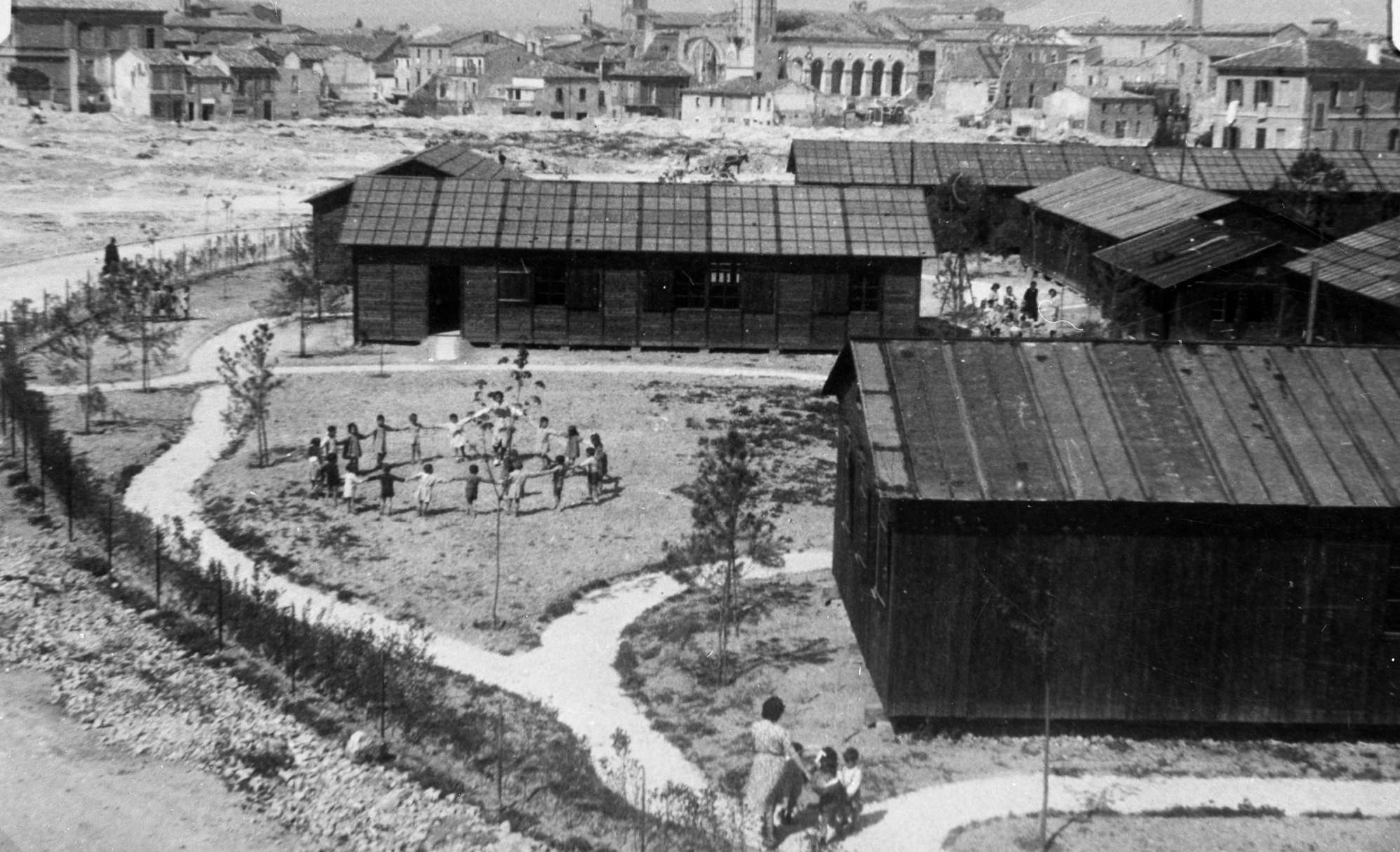
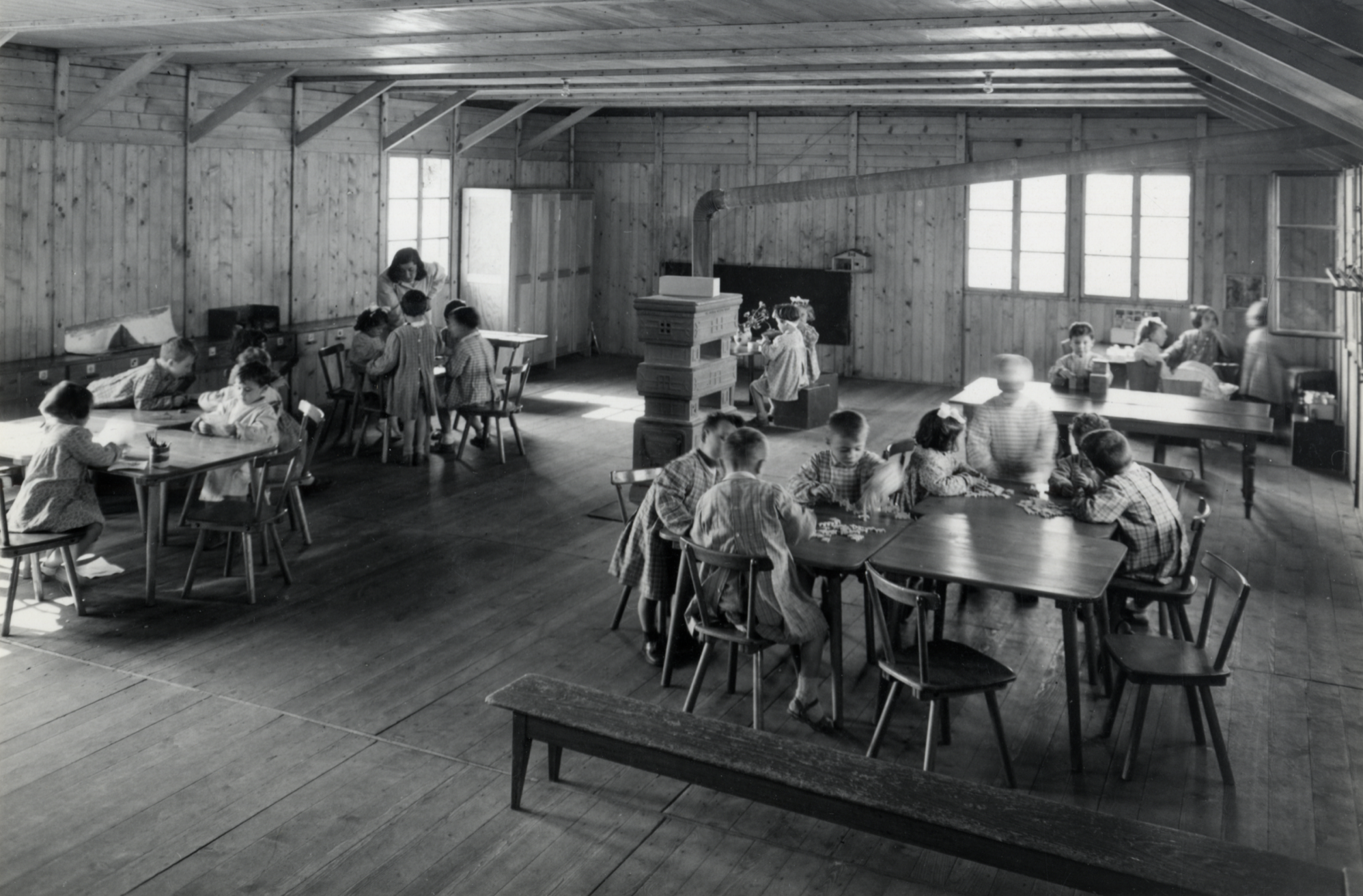
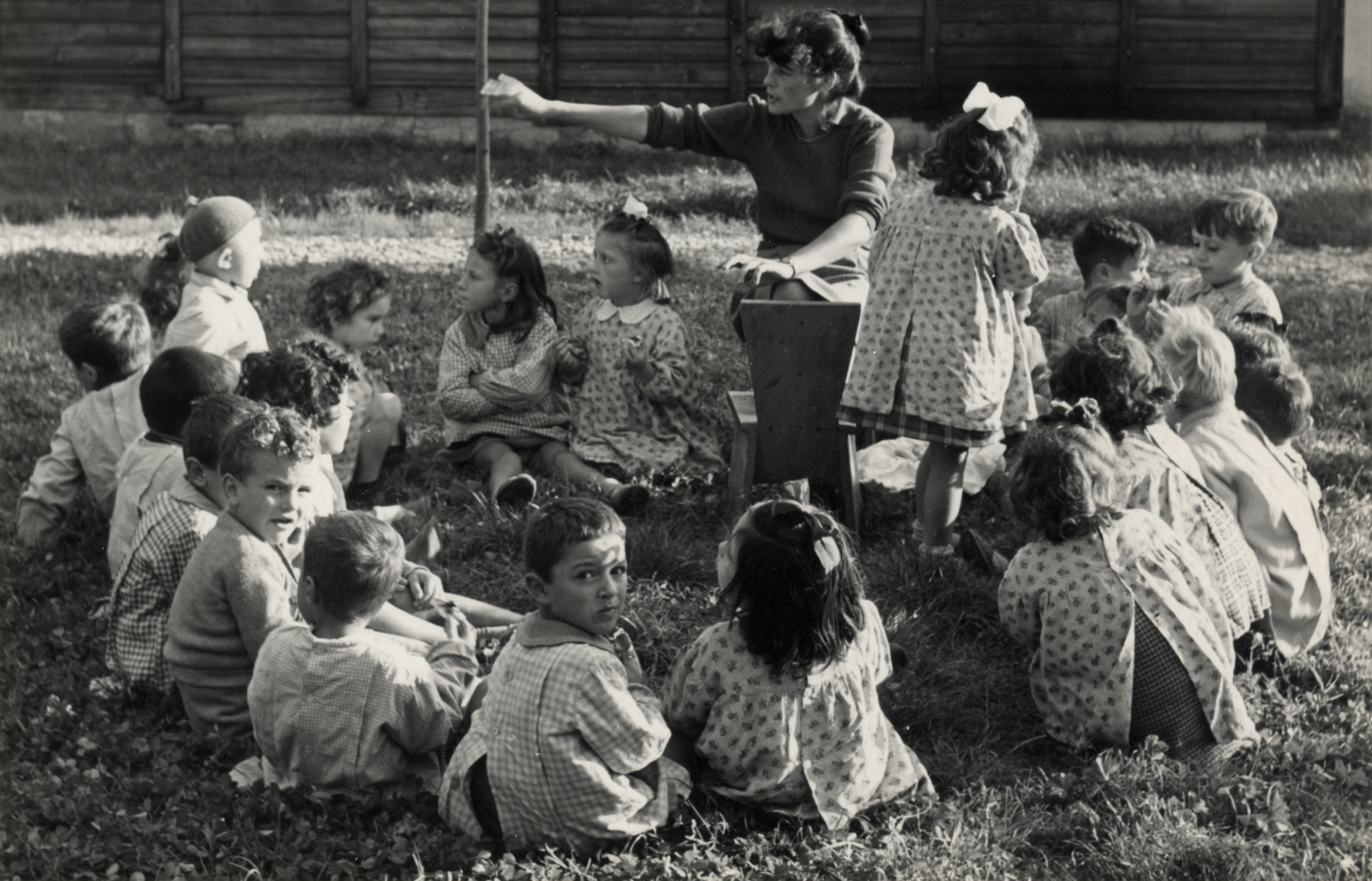
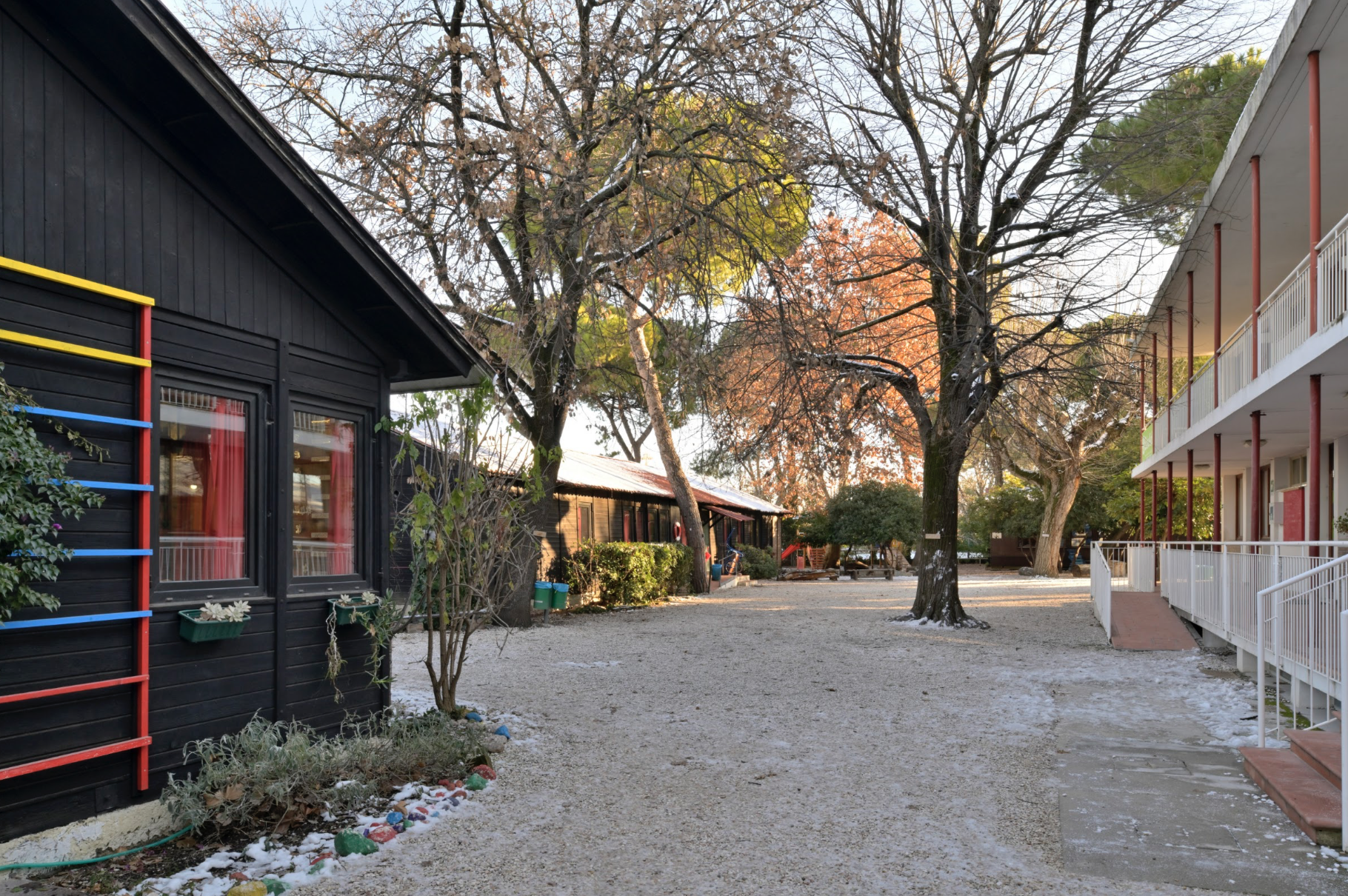
In 1945, amid the debris and ruins of Rimini – one of the cities in Italy most devastated by the bombings of World War II – the Swiss Workers’ Relief Organisation began construction of the Centro Educativo Italo-Svizzero. Within the framework of the Swiss Aid to War Victims initiative, the Swiss Workers’ Relief Organisation’s efforts represented a concrete response to the appeal from the city’s communist administration, which had requested assistance due to the dire conditions the community was facing. Houses, public services, and community spaces had been destroyed, and countless families were homeless. Special care was needed for children – orphans, wounded, and traumatised by the war. Through the Workers’ Relief Organisation, the Swiss educator Margherita Zoebeli (1912-1996) arrived in Rimini; she had trained as a pedagogue at the University of Zurich, where she had been a member of the Socialist Youth. Zoebeli had been active in humanitarian aid in the most dire conflict situations: in 1938, she had cared for orphans in Spain, which was being torn apart by the Civil War, ensuring the safety of about a hundred children through a dangerous evacuation to France. After the war, Zoebeli had worked in Val d’Ossola and in Saint-Étienne, France, managing care facilities with great rigor and a deep sensitivity toward childhood trauma. Felix Schwarz (1917-2013), a young socialist architect, arrived in Rimini along with Zoebeli and other educators, such as Rosellina Mandel (1925-1986). He, too, had studied in Zurich and had collaborated with Aldo van Eyck, who, during those very years, was experimenting with his “playgrounds” – spaces dedicated to play located in the heart of the city. Since 1946, when it was inaugurated, the CEIS has constituted a space of intense intertwinings between architecture, play, and pedagogy: together with Zoebeli, Schwarz designed the original layout of the complex, built near the ruins of Rimini’s Roman amphitheater and consisting of a community center – complete with showers and communal workspaces – and a village for children and adolescents. Schwarz’s design recreated the organic structure of a village – composed of open spaces rich in greenery, narrow streets, and quiet corners for rest – by arranging a series of prefabricated wooden huts on the lot assigned by the municipality. These huts had been transported from Switzerland on train wagons. In the very early years of Italy’s material and social reconstruction, in a country still scarred by the wounds of war, the photographs shot by the great Swiss photographer Werner Bischof (1916-1954) documented life at the CEIS, a space for play and learning in the heart of the city.
In 1950, in Zurich, Alfred Roth’s exhibition Das Neue Schulhaus documented the most advanced experiences in the Western world concerning the relationship between architecture, pedagogy, and new school spaces. While Italy lagged significantly behind other countries – such as Switzerland and England – in this field during those years, the CEIS immediately became a major point of reference for cutting-edge pedagogy both nationally and internationally. As Zoebeli’s papers and letters, preserved at the Gambalunga Library in Rimini, attest, the CEIS hosted symposia, conferences, and meetings, becoming the hub of a network of prominent intellectuals, primarily from the fields of pedagogy, architecture, and urban planning – anti-fascists who were sensitive to libertarian and progressive ideals: from Lamberto Borghi, Francesco De Bartolomeis, and Goffredo Fofi to Giancarlo De Carlo, Carlo Doglio, and Ludovico Quaroni. Eighty years later, the CEIS remains a vibrant and highly significant place for the city of Rimini and for those involved in education, where a central role is assigned to recognising the importance of children’s autonomy and education as a process of continuous discovery.
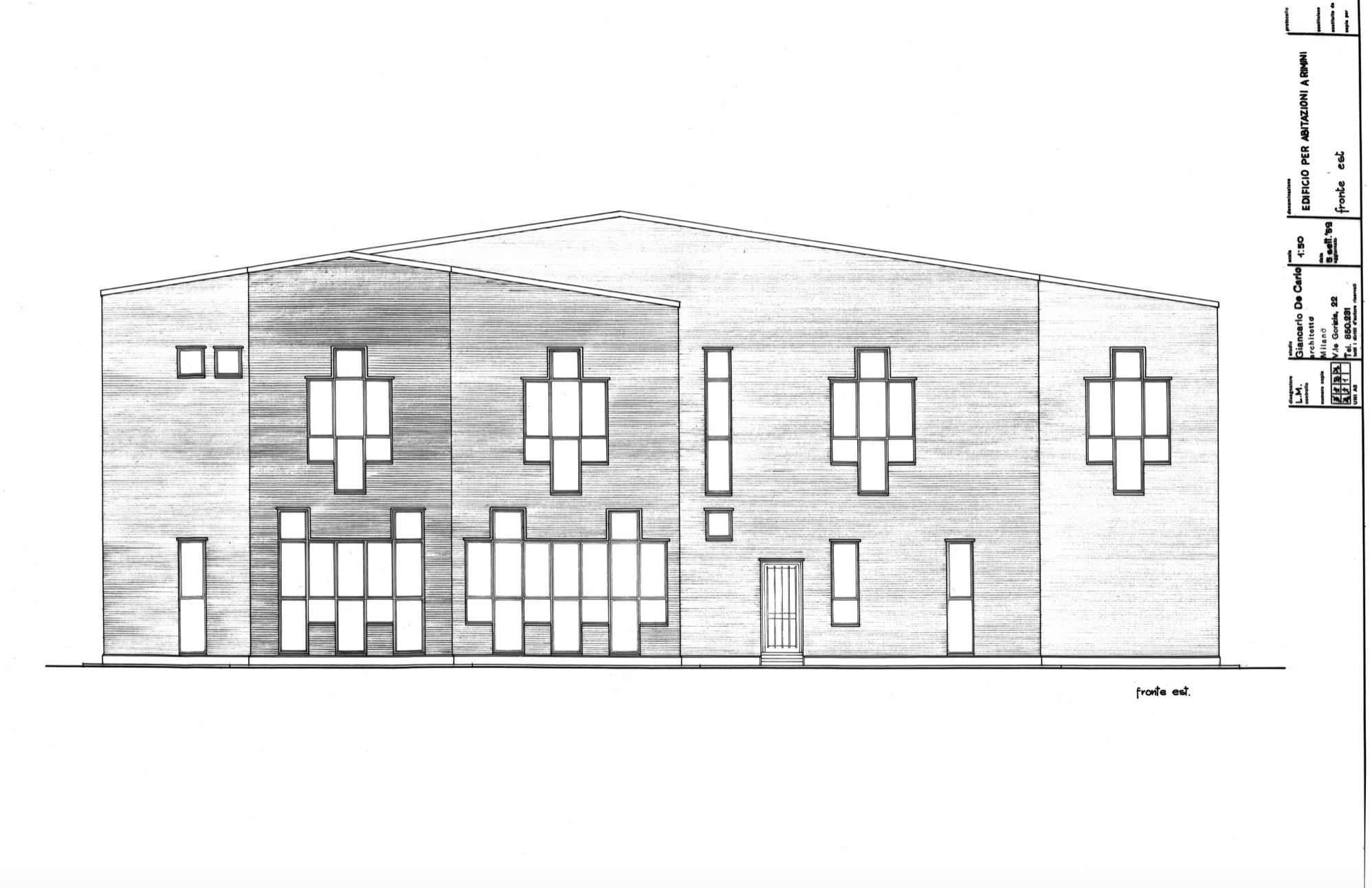
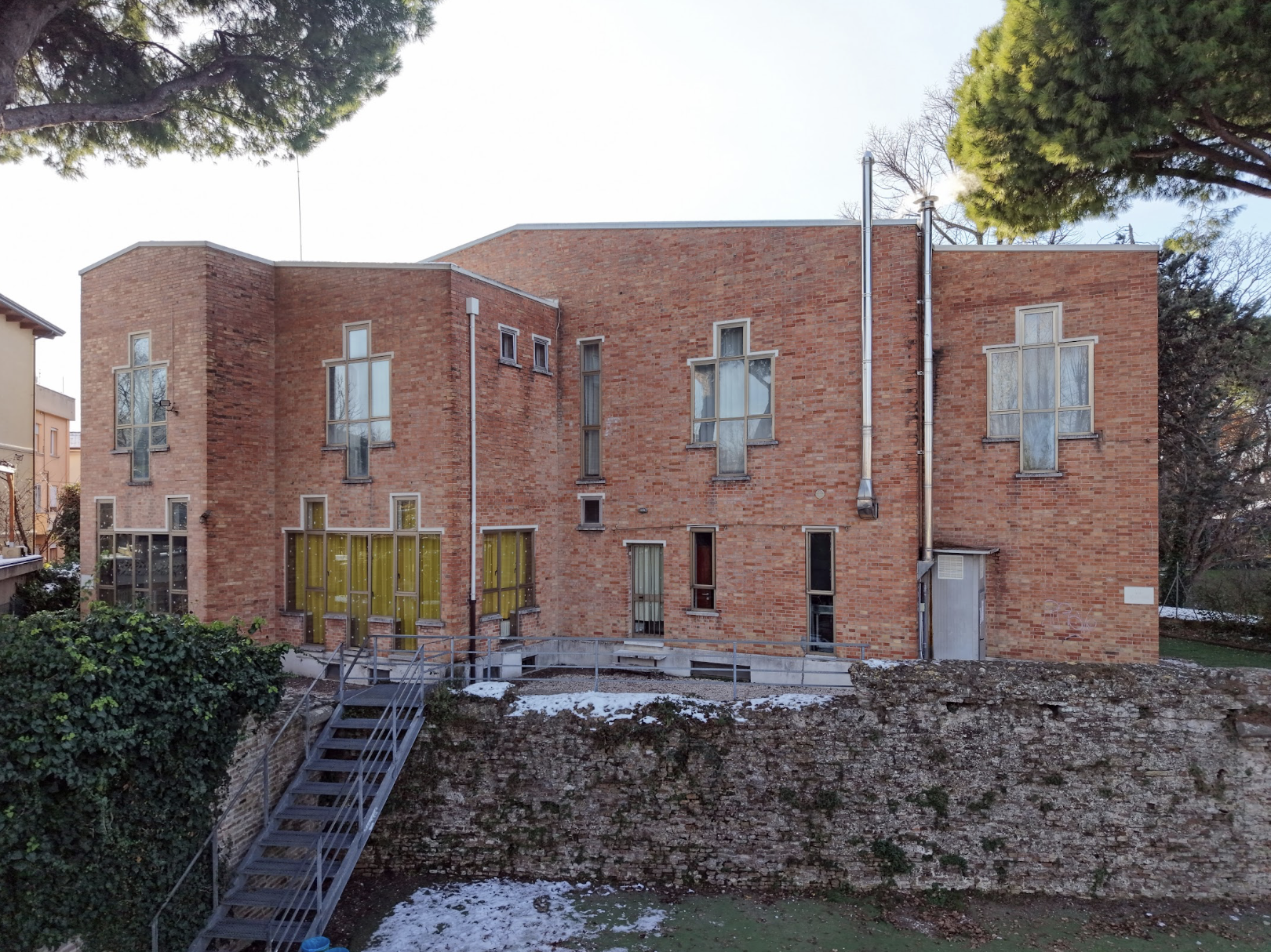
In the exhibition at Palazzo Minelli Spada, the history of the CEIS provides an opportunity to explore a constellation of stories and themes that converge here: from the work of Swiss organisations in the field of child care in the postwar period to the theme of transnational history and memory; from the debate on the relationship between pedagogy and architecture in 1950s Italy and the significance of Margherita Zoebeli to the connections between Swiss and Italian architecture between World War II and the postwar reconstruction period. Finally, a central focus of the exhibition is the significant contribution to the history of the CEIS made by architect and IUAV professor Giancarlo De Carlo (1919-2005), with his design for the Betulla building in 1958-1961, and later with the master plan for a new complex, designed in 1964-1965 with Armando Barp (1939-2026) and in direct dialogue with Zoebeli and the educator Aldo Visalberghi (1919-2007), which, however, was never realised.
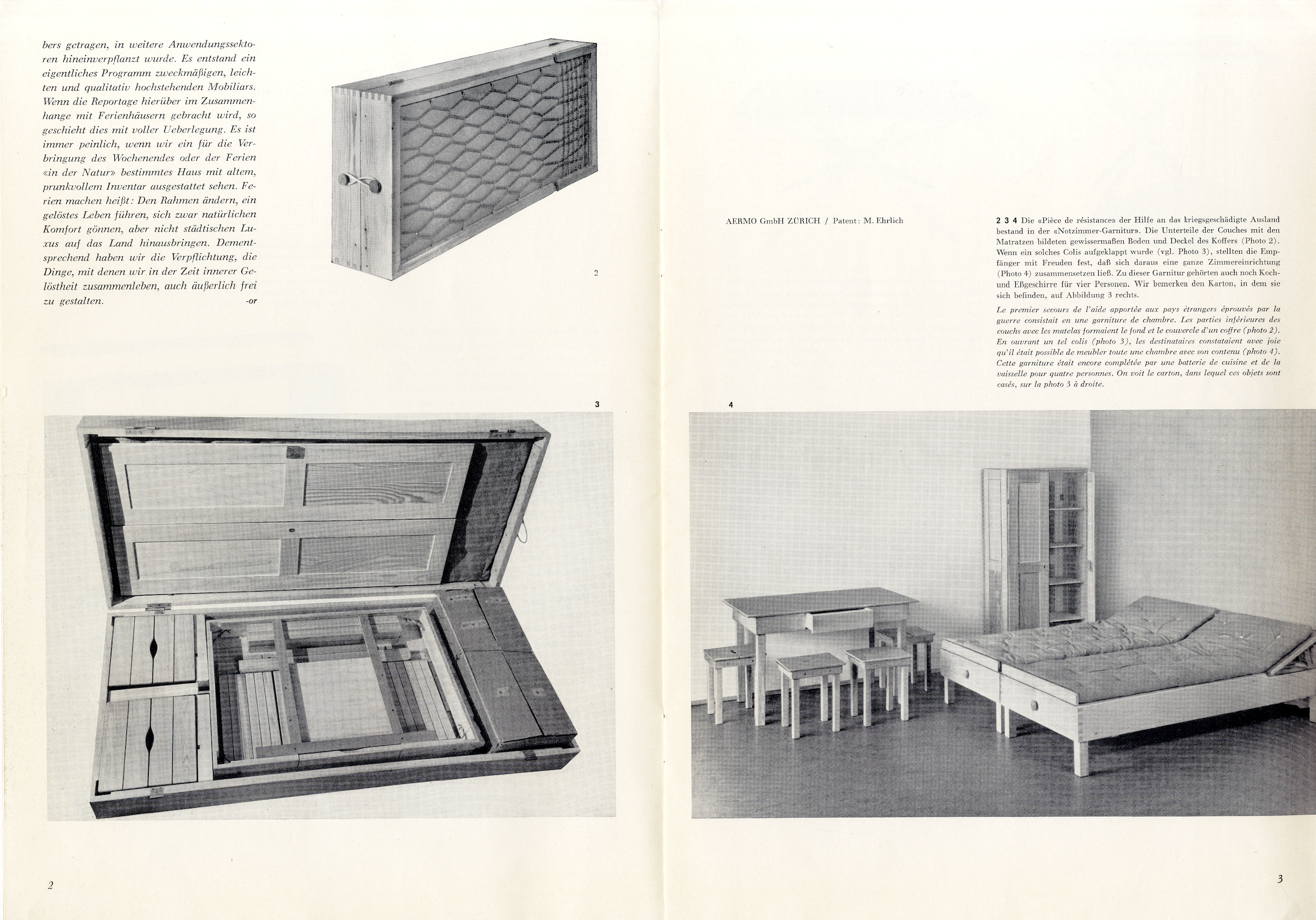
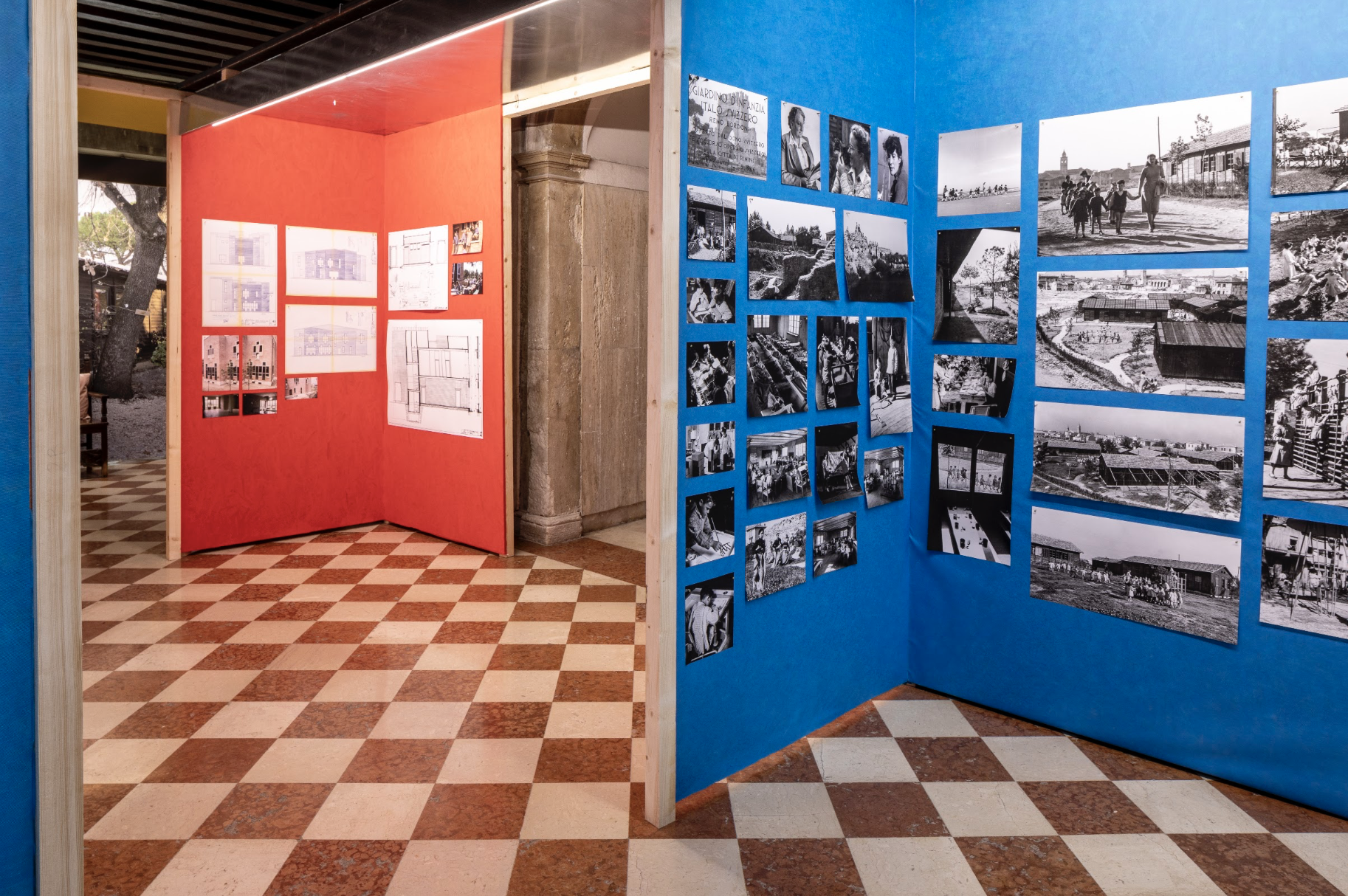
The exhibition opened on Thursday, January 29, 2026, with an event comprising two parts. In the morning, at IUAV University of Venice’s Palazzo Badoer, a symposium was dedicated to the history of the CEIS and to the relationship between pedagogy and architecture, featuring presentations by Italian and international scholars. In the afternoon, the exhibition opening took place at Palazzo Minelli Spada, preceded by a commentated screening of a series of films about CEIS. The exhibition features archival documents and architectural drawings – most of which have never been published before, coming from Italian and Swiss archives (Federal Archives, Bern; Archivio Progetti, IUAV University of Venice; Gambalunga Library, Rimini; State Archives, Forlì), a large model of the CEIS, original historical furniture, bibliographic materials, photographs, and the screening of three films – both historical and contemporary – about the CEIS, by Felix Schwarz, Marco Bertozzi, and Teo De Luigi, offering a multifaceted perspective on the institution’s history and current relevance. A place to play thus sparks a reflection on educational space as a place for relationships, care, and project, restoring the CEIS in Rimini to its rightful historical, cultural, and social significance within the European landscape.
The results of the research presented in the exhibition and at the symposium will be soon published in a book. The Venice exhibition, which will remain open through December 2026, will also travel to Zurich, at the ETH campus (23 September – November 2026), and to Rimini. For information on the Venice exhibition, and to book a visit, please visit the website of The Formwork Cultural Association: https://www.theformwork.org/project/a-place-to-play-the-centro-educativo-italo-svizzero-in-rimini/.