

RRR: reflect, reflect, and reflect again
Through emblematic examples of Swiss bridges and infrastructure, the text shows how structural sustainability begins with the choice not to build or intervene on existing structures. Reinforcement, adaptation, and reuse become design tools based on rigorous structural analysis, capable of reducing environmental impact while preserving the technical and cultural value of the works.
Testo in italiano al seguente link
Even when the sustainability of an infrastructure is primarily tied to the transformation enabled by a new resource, one should not overlook how careful design‒grounded in rigorous reflection and solid expertise‒can substantially improve the impact generated by its construction. The following pages use a series of examples to show how, even in structural and infrastructural works, the most appropriate solution may lie in retaining an existing element, or part of it, reinforcing it, modifying it, or redeploying it elsewhere.
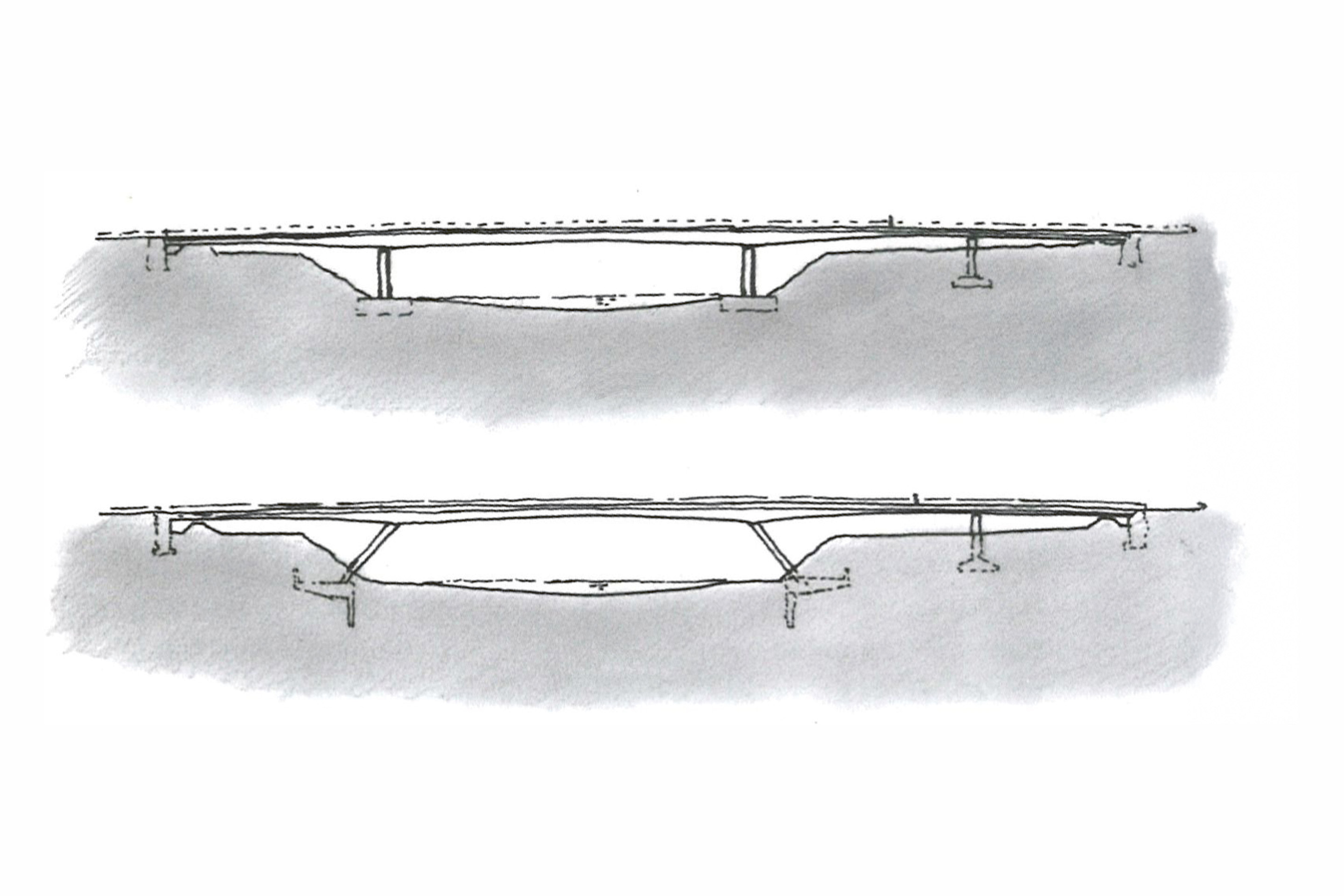
The first question any designer must confront concerns the real necessity of building. Long before assessing the nature and quantity of materials, the essential point is that only what is strictly required ‒ proportionate to present needs and those wisely predicted for the future ‒ can legitimately be called sustainable. Between preserving what already exists and reconstructing it lies a wide range of cases in which existing infrastructures can be conserved, meeting new requirements through simple yet carefully conceived measures. For the bridge over the Maggia River (fig. 2), whose free-flow profile proved insufficient for flood passage, Aurelio Muttoni designed an elevation of the existing deck and replaced the two vertical piers in the riverbed with inclined struts.1 Beyond resolving hydraulic concerns, the operation improved the structural behaviour of the central span by introducing a compressive component and lightened the overall appearance of the bridge.
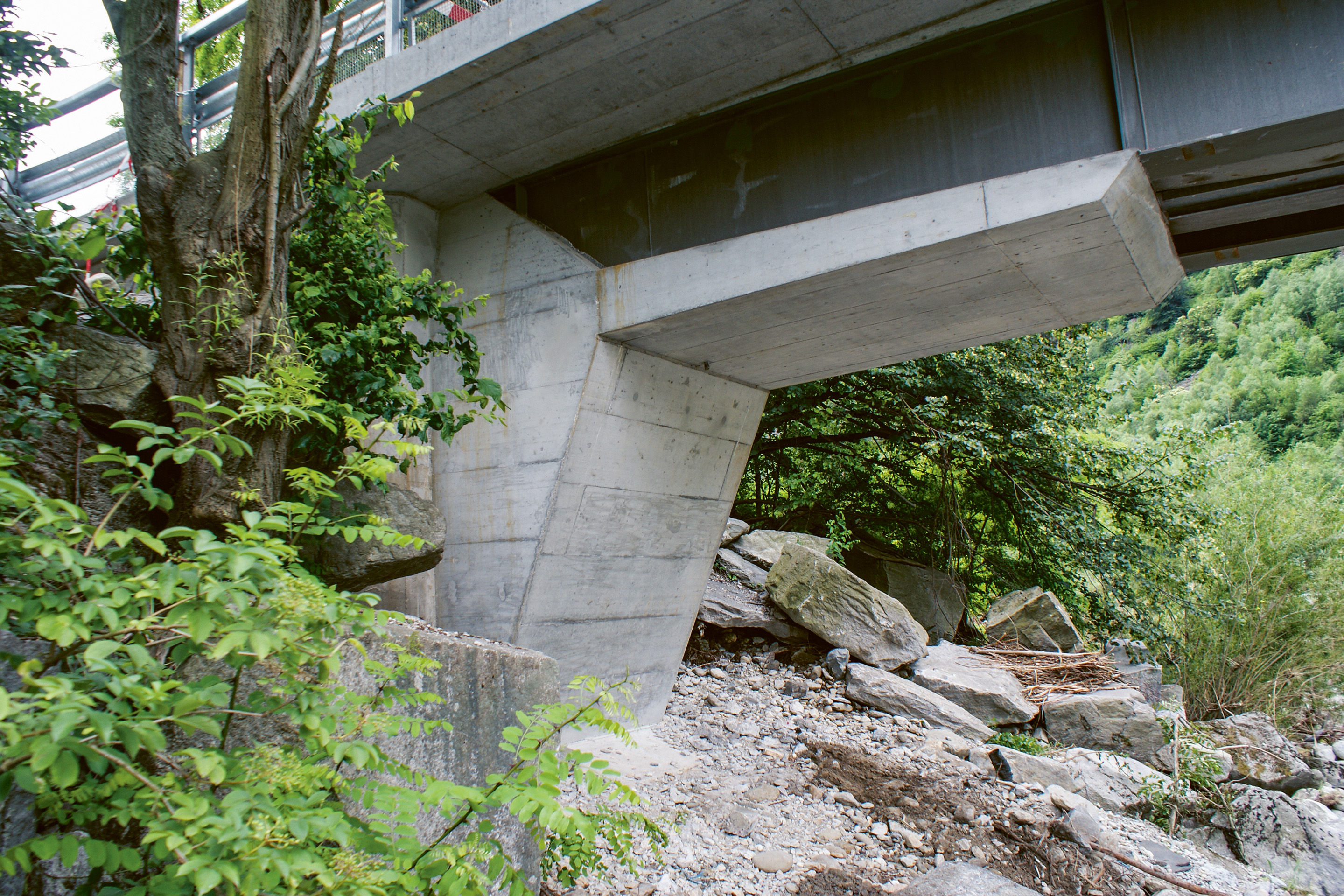
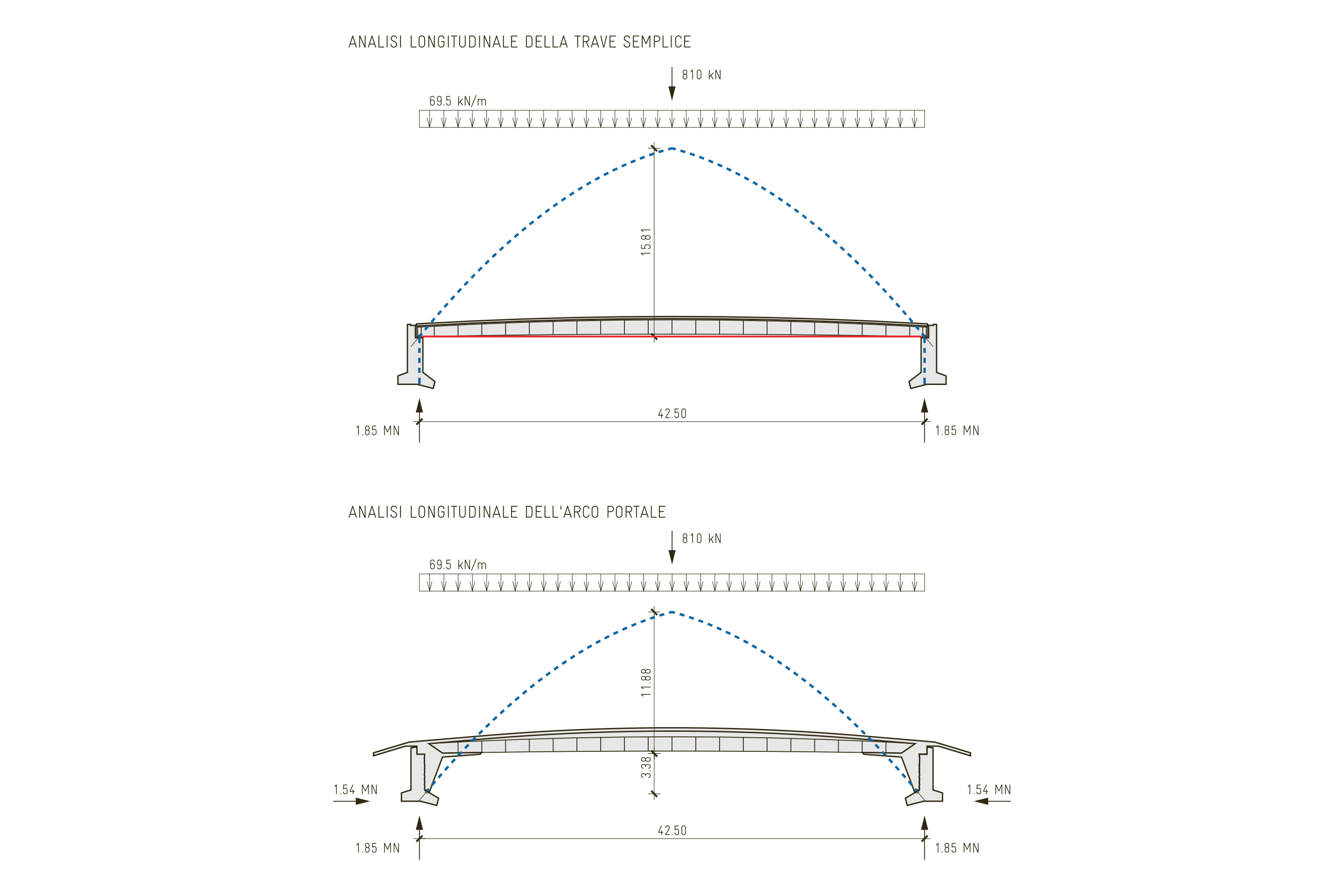
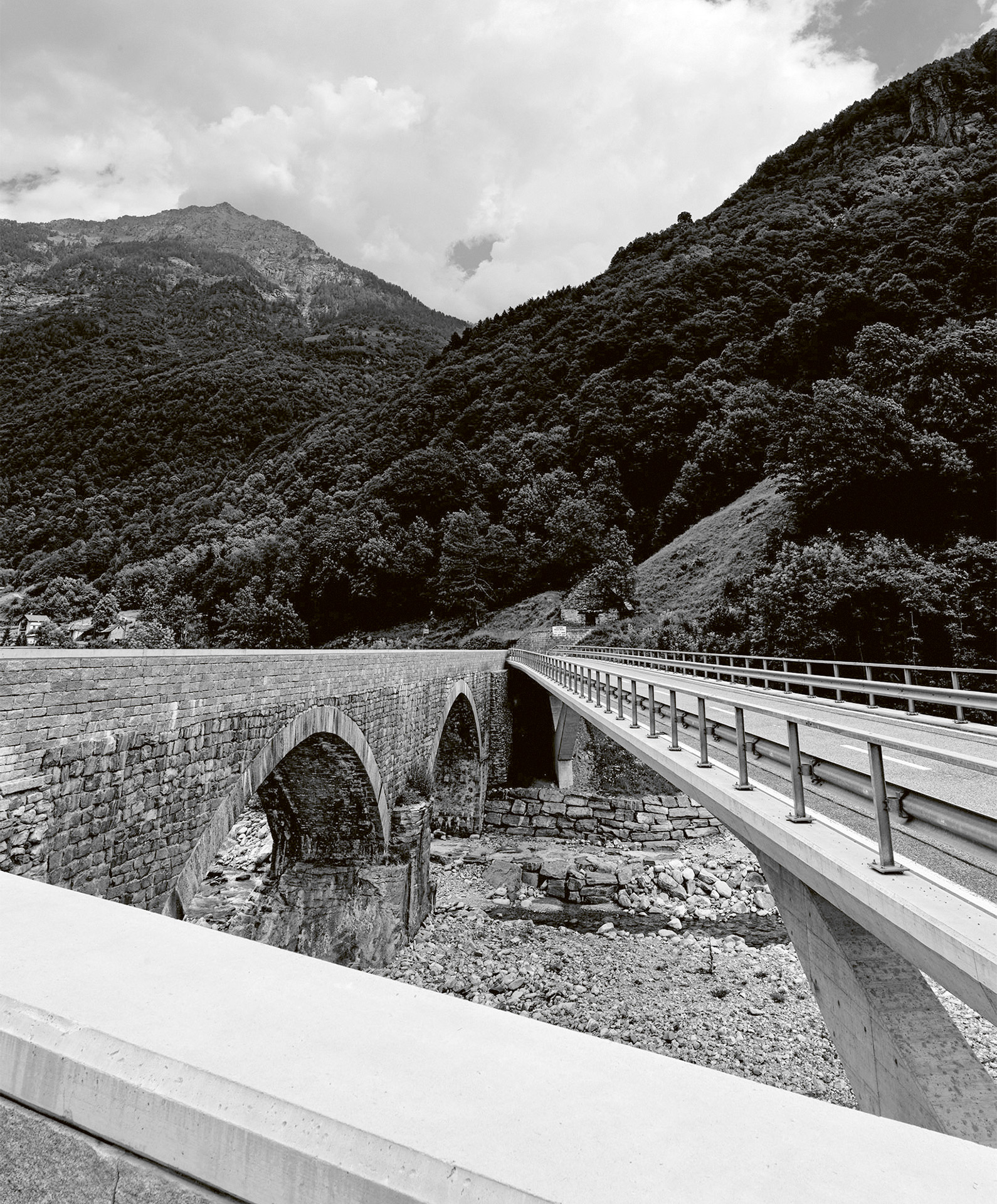
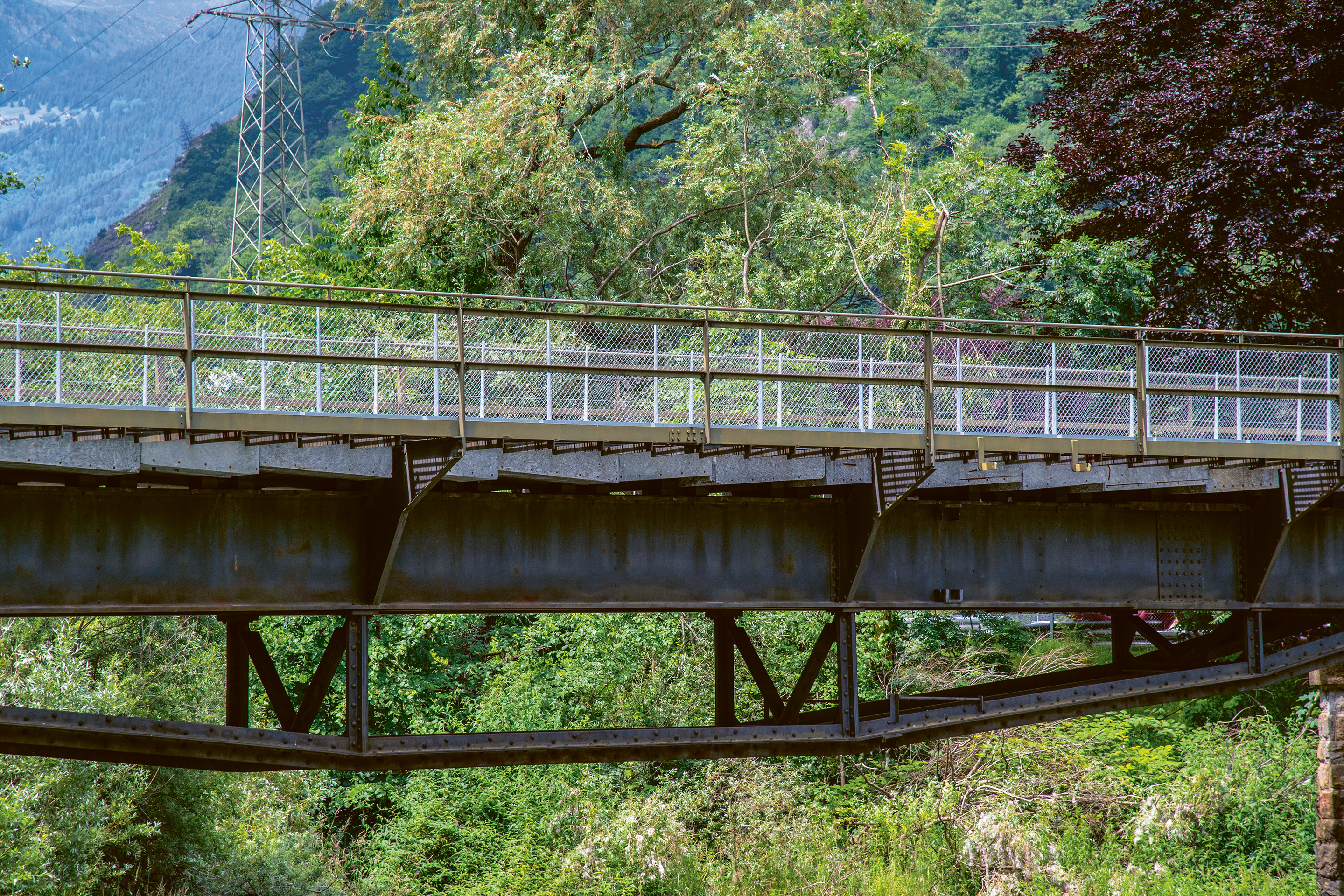
It must be acknowledged, however, that assessing whether an existing structure can be retained, rather than demolished and rebuilt, inevitably involves a subjective dimension. This process touches on «immeasurable factors», such as the historic and cultural value of the artefact. These considerations, ‒ without taking a place in the third ring of the seventh Circle of Hell ‒ should, however, not be regarded as decisive or exclusive. At the Ticino River bridge near AET’s Biaschina power plant, the composite steel and concrete structure suffered from defective connections between the deck, severely degraded by chlorides, and the steel beams, resulting in irreversible deformations. The proposal retained the existing steel girders while replacing the deck with a new reinforced-concrete slab connected to the metal structure via new ductile connectors (fig. 3). Retaining the entire deck ‒ together with the addition of external strengthening elements ‒ would certainly have preserved evidence of the once-pioneering «glued» connection using synthetic resin and safety bolts,2 but it would have improved the structural behaviour without addressing either the degradation or the conceptual shortcomings of the original design. To strengthen the superstructure, which ‒ even with the slightly raised new slab ‒ would not have met updated load requirements, the static scheme was transformed from a simply supported beam into a two-hinge frame. On each bank, an abutment pier was added and connected to the deck through a frame joint, together with a lower cast-in-place reinforced-concrete slab: the latter strengthens the lower flanges of the steel girders where they would otherwise be unable to resist compressive forces. The position of the new abutments, placed before the existing ones, together with the configuration of the original supports, allowed the project to avoid any new foundation works despite introducing horizontal reactions into the backfills. After demolishing the old deck and constructing the new abutments, but before forming the frame joint, the steel girders were deflected upward using hydraulic jacks mounted atop two temporary towers in the riverbed‒structures already needed for casting the new slab. This allowed recovery of the permanent deformation caused by partial plastification resulting from the original faulty connection. Although the decision to retain part of the structure was driven not by environmental concerns but by economic necessity ‒ specifically the impossibility of interrupting the operation of the power lines hanging from the girders ‒ the example illustrates the efficiency of modifying structural restraints and adopts an approach in which the partial loss of the original structure is deemed «acceptable». The reasoning echoes that guiding Muttoni’s project for the crossing of the cantonal road over the Verzasca River in Frasco: an uncompromising respect for the cultural dimension of the work, to be preserved even more rigorously than the artefact itself.3 Unlike the Ticino bridge, the Verzasca structure was maintained almost entirely in its original form, with a new bridge built beside it rather than adopting the common strategy of widening the historic deck with overhanging slabs, which would have distorted the logic of its twin-arch masonry (fig. 4).
In antiquity, it was customary to draw from buildings that had lost functional or cultural meaning, turning them into genuine «urban quarries» where materials could be recovered effortlessly, avoiding extraction from natural deposits. With the advent of industrial-era construction machinery, demolition replaced disassembly, overturning this logic. Contemporary evaluation criteria ‒ where environmental cost plays a central role ‒ have again created conditions in which reuse becomes a meaningful option, as it did in times of scarcity in the past century.
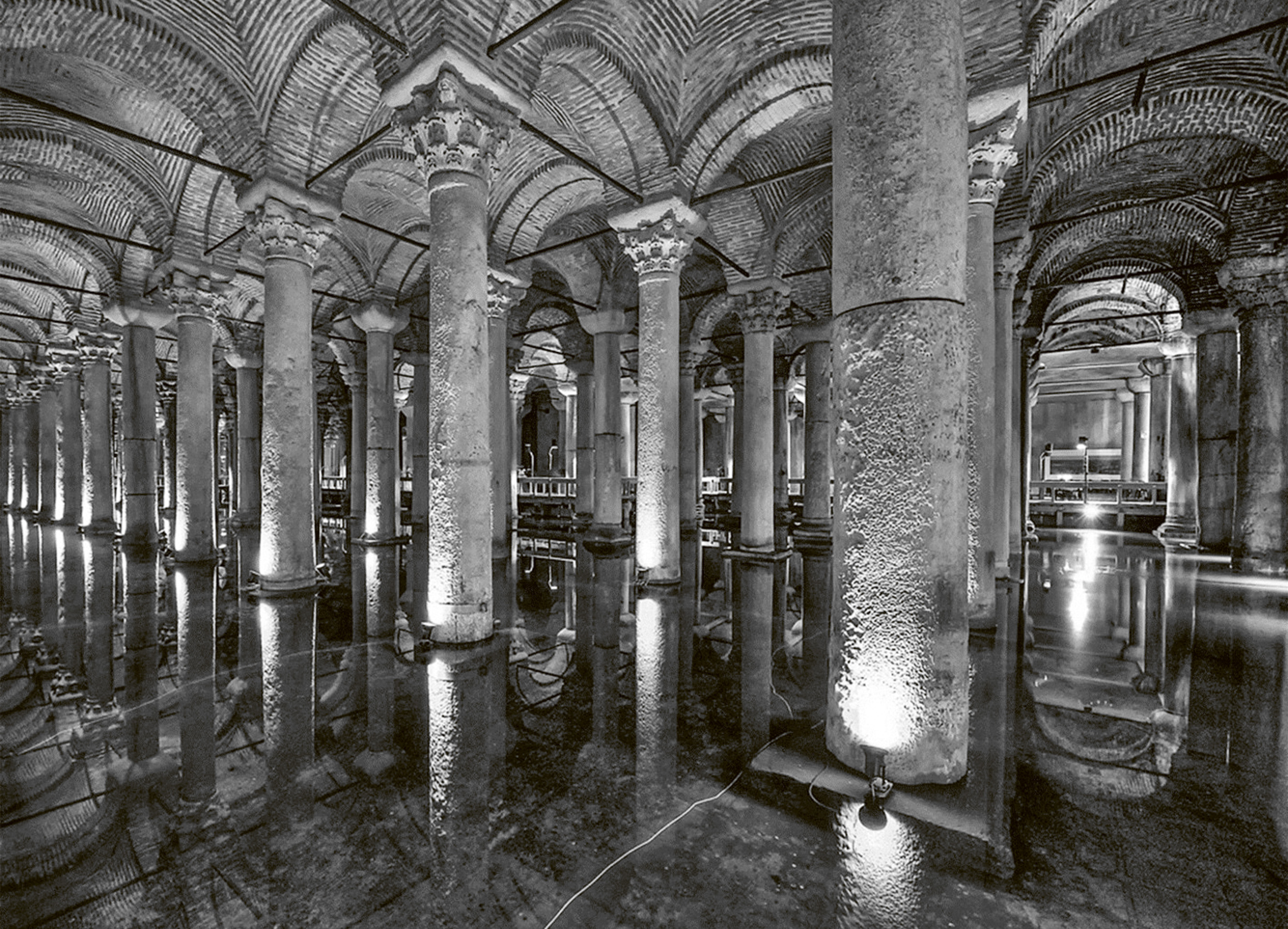
To understand this structural attitude, one may begin with Istanbul’s Basilica Cistern, whose role as a vast storage basin demanded that designers privilege technical and constructional concerns over any aesthetic ambition. Yet the rigour of the structure ‒ a forest of cross vaults resting on reused columns –, set in stark contrast to the freedom with which individual elements were arranged creates an undeniably powerful spatial quality. The lesson is that a strong conceptual framework legitimises apparently «unnatural» uses of construction elements: a capital positioned at the base of a too-short column can be perfectly reasonable when it best satisfies a new function, given the available stock. Even in the 6th century, Justinian’s builders, though spoilt for choice in what they could dismantle, did not always find the ideal element; all the more so today, when reuse requires integrating material availability and sourcing limitations from the earliest design stages, as the shape of recovered components becomes a design parameter rather than a result.
In the refurbishment of the AET bridge at Piottino, it was clear from the outset that the goal was not lightness in the new slab replacing the timber deck at the end of
its life; the existing structure had ample reserve strength. The design process therefore concentrated on developing an intervention using massive elements, postponing formal definition until later. The concept involved removing the rail line and central timber platform and replacing it with reclaimed reinforced-concrete slabs. The cantilevers originally conceived as safety refuges lacked sufficient capacity, so they were removed from the public walkway and edged with simple metal mesh at the boundaries of the central slabs. The timber surface of the cantilevers was replaced with steel grates to ease maintenance of the underlying infrastructure. The precise shape of the reused slabs was defined only at the execution phase, once demolition works on the Via Tatti viaduct between Bellinzona and Monte Carasso identified the most suitable source of elements. This approach reduced environmental impact further by limiting transport and storage, as the slabs were moved directly from their extraction site to their new location. Realised with minimal economic and environmental cost, the intervention allowed the original structure to enter the fourth phase of its life. Built in 1929 as a railway bridge for power-plant maintenance, reinforced in 1952 with tie-rods to carry heavier rolling stock, and restricted from rail use in the early 1980s due to the construction of the motorway, it was later used exclusively by cars and now functions as a pedestrian and cycle bridge, with vehicle access limited to plant personnel (figg. 6–7).
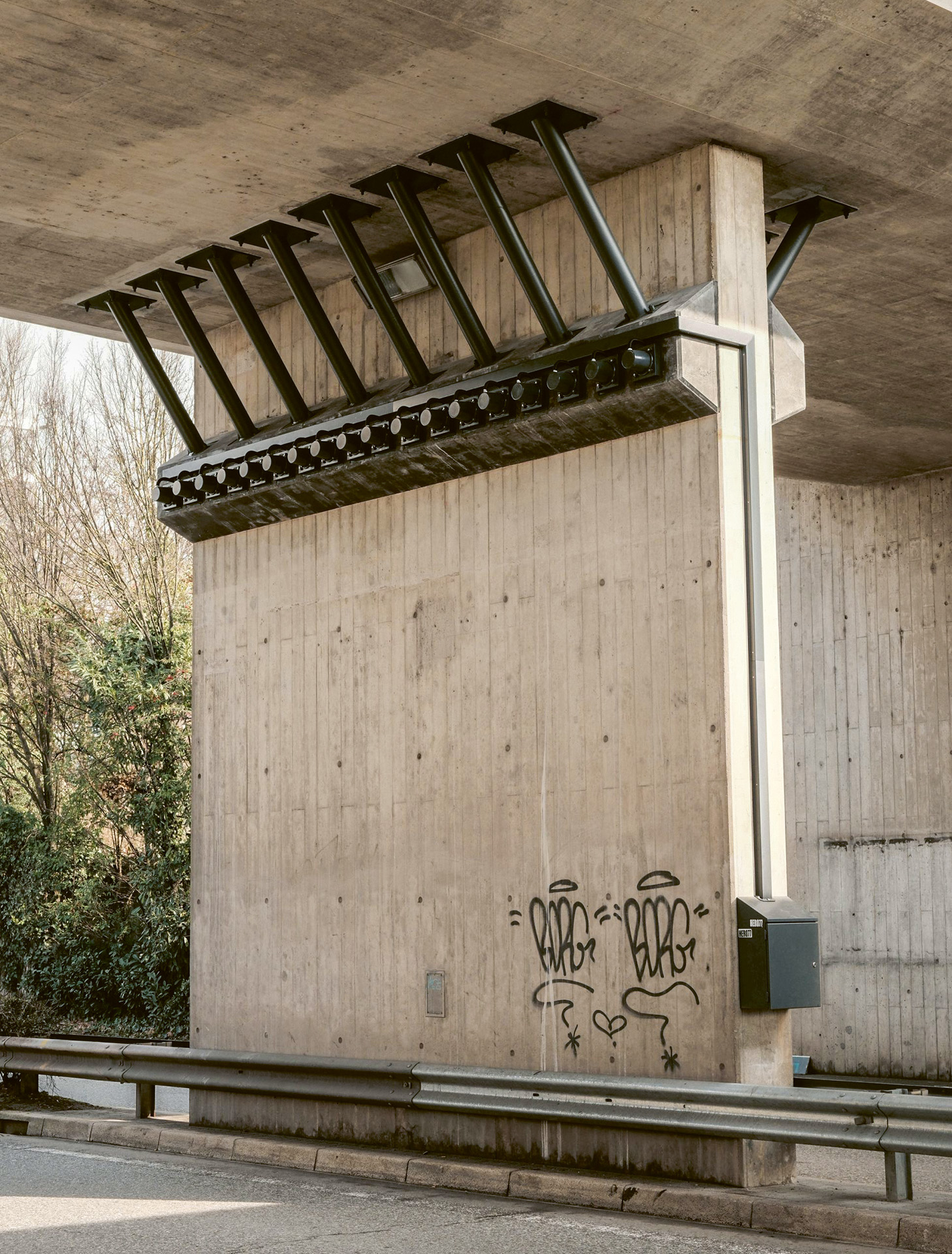
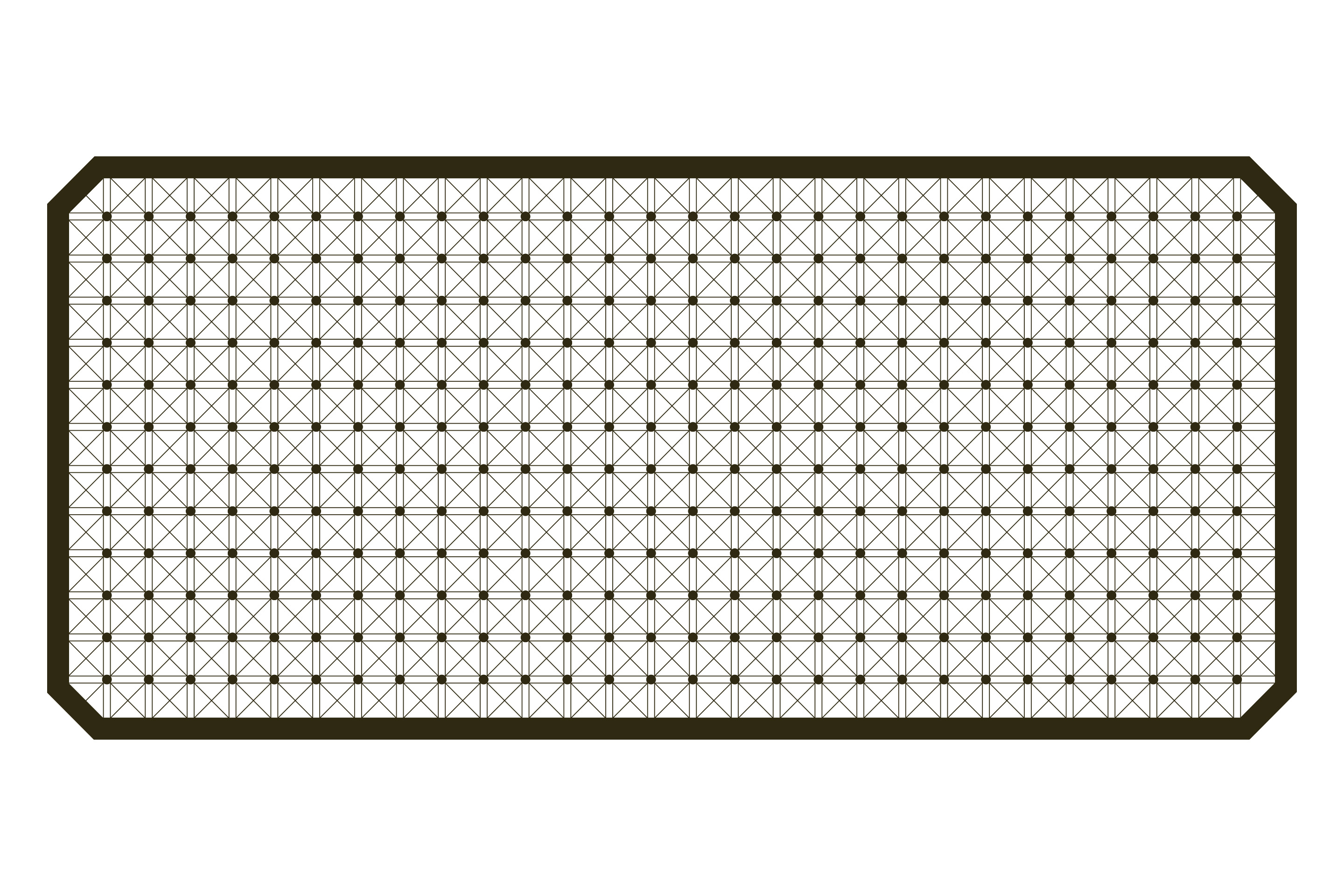
The final example addresses the idea that interventions aimed at retaining structures with significant defects need not resemble therapeutic excess. To preserve the railway bridge at Près-Bois in Vernier (figg. 1, 8), Structurame’s engineers designed steel struts placed atop the central pier to restore adequate shear safety to the deck. The distinctive aspect lies not merely in adding elements capable of carrying shear, but in reducing bending forces that would otherwise undermine the shear capacity of reinforced-concrete elements lacking transverse reinforcement. The struts transfer compression forces to the pier through a new reinforced-concrete saddle held in place by transverse prestressing. To maximise efficiency, the struts themselves were prestressed using flat jacks. This example likewise shows how thoughtful analysis, built upon solid theoretical knowledge, enables existing structures to be retained with simple yet effective measures, producing a direct and positive environmental outcome.
In conclusion, these examples confirm that design must remain a process of free inquiry, unbound by solutions dictated by convention or codified habit, and grounded exclusively in a global reading of the problem ‒ where cultural background offers not the answer, but the instruments for formulating one. Through such an approach, the resulting work can stand as a pertinent, efficient, and genuinely contemporary solution.
Notes
1 Muttoni, «Some Lessons Learned».
2 Gianella, «La nuova Biaschina».
3 Muttoni, «Un progetto tra antico e nuovo».
References
– Gianella, Riccardo. «La nuova Biaschina». Rivista Tecnica della Svizzera Italiana 19 (1967).
– Muttoni, Aurelio. «Some Lessons
Learned Designing Bridges (1987-2017)». In Der entwerfende Ingenieur. jovis, 2017.– Muttoni, Aurelio, Livio Muttoni, Franco Lurati, Marco Tajana, & Michele Arnaboldi. «Un progetto tra antico e nuovo». Archi 1 (2012): 34–39.